
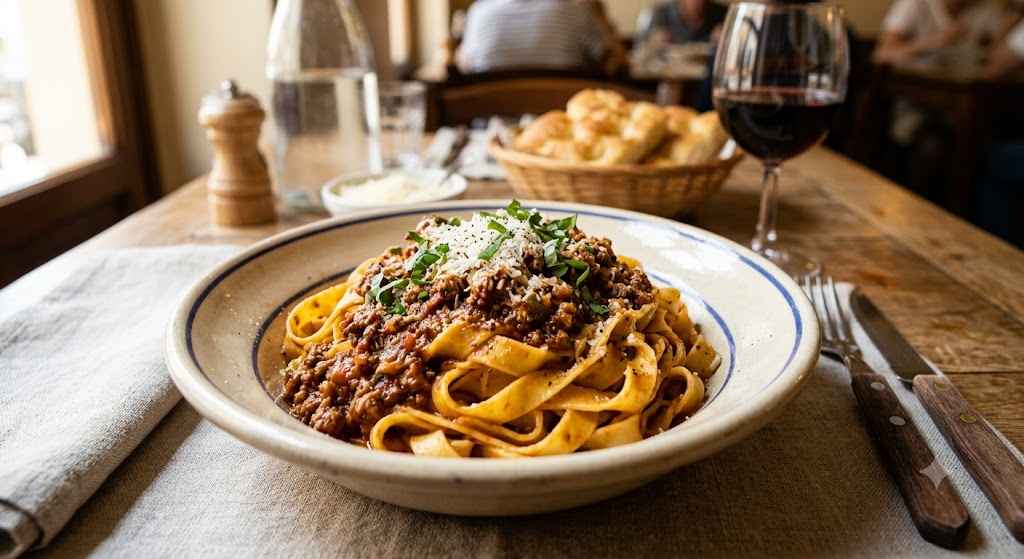
Loved around the world for its variety, flavor, and comforting appeal, this famous food has a rich history and countless delicious forms. From classic recipes and traditional cooking methods to unique shapes, sauces, and cultural influences, there are many fascinating facts to discover. Whether you’re a food lover, home cook, or simply enjoy learning about cuisine, pasta trivia is a fun way to test your knowledge.
This collection of pasta trivia questions and answers covers a wide range of topics, including pasta history, popular varieties, Italian traditions, ingredients, cooking techniques, famous dishes, and interesting food facts. With a mix of easy, medium, and challenging questions, there’s something for kids, adults, chefs, and trivia enthusiasts alike.
Get ready to challenge yourself, uncover surprising facts, and explore the delicious world of pasta. Perfect for classrooms, food events, family gatherings, quiz nights, or casual learning, these pasta trivia questions and answers provide an entertaining and educational experience for everyone.
Pasta Trivia Question and Answer
1. Which country is most closely associated with the development of modern pasta?
A) China
B) Italy
C) France
D) Turkey
Answer: B) Italy
Explanation: Although ancient noodle-like foods existed in different cultures, Italy developed the wide variety of pasta shapes, sauces, and traditions known around the world today.
2. What is the main ingredient in traditional dried pasta?
A) Rice flour
B) Durum wheat semolina
C) Corn flour
D) Potato starch
Answer: B) Durum wheat semolina
Explanation: Durum wheat semolina gives pasta its firm texture and golden color, making it ideal for dried pasta production.
3. What does the Italian phrase “al dente” mean?
A) Cooked with sauce
B) Firm to the bite
C) Served cold
D) Extra spicy
Answer: B) Firm to the bite
Explanation: Al dente describes pasta cooked until it is tender but still slightly firm when bitten.
4. Which pasta shape means “little ears” in Italian?
A) Orecchiette
B) Farfalle
C) Ravioli
D) Linguine
Answer: A) Orecchiette
Explanation: Orecchiette is a small, ear-shaped pasta that originated in the southern Italian region of Puglia.
5. Which pasta shape is known as “bow tie” pasta?
A) Fusilli
B) Farfalle
C) Penne
D) Rigatoni
Answer: B) Farfalle
Explanation: Farfalle means “butterflies” in Italian and is recognized by its bow-tie shape.
6. What type of pasta is typically used in traditional lasagna?
A) Long noodles
B) Flat pasta sheets
C) Spiral pasta
D) Small tubes
Answer: B) Flat pasta sheets
Explanation: Lasagna is made by layering wide, flat pasta sheets with sauces, cheese, and fillings.
7. Which pasta is shaped like small tubes cut at an angle?
A) Penne
B) Spaghetti
C) Tagliatelle
D) Orzo
Answer: A) Penne
Explanation: Penne means “pens” in Italian because its angled ends resemble the tip of a quill pen.
8. What pasta is famous for being extremely thin and delicate?
A) Capellini
B) Rigatoni
C) Pappardelle
D) Cannelloni
Answer: A) Capellini
Explanation: Capellini, also called angel hair pasta, is one of the thinnest pasta varieties.
9. Which pasta is traditionally paired with pesto sauce?
A) Trofie
B) Lasagna
C) Ravioli
D) Macaroni
Answer: A) Trofie
Explanation: Trofie is a traditional Ligurian pasta often served with classic basil pesto.
10. What is ravioli?
A) A pasta sauce
B) Stuffed pasta pockets
C) A baked bread dish
D) A type of cheese
Answer: B) Stuffed pasta pockets
Explanation: Ravioli consists of pasta filled with ingredients such as cheese, vegetables, or meat.
11. Which pasta is shaped like a corkscrew?
A) Fusilli
B) Linguine
C) Bucatini
D) Fettuccine
Answer: A) Fusilli
Explanation: Fusilli’s spiral shape helps it hold thick sauces and creamy ingredients.
12. What is spaghetti traditionally made from?
A) Wheat flour and water
B) Corn and oil
C) Rice and eggs
D) Potatoes and salt
Answer: A) Wheat flour and water
Explanation: Classic spaghetti is made from durum wheat semolina and water, then shaped into long strands.
13. Which pasta sauce is made with eggs, cheese, and cured pork?
A) Carbonara
B) Marinara
C) Pesto
D) Arrabbiata
Answer: A) Carbonara
Explanation: Traditional Roman carbonara combines eggs, Pecorino Romano cheese, guanciale, and black pepper.
14. Which pasta is wide, flat, and ribbon-like?
A) Fettuccine
B) Shells
C) Orzo
D) Ditalini
Answer: A) Fettuccine
Explanation: Fettuccine is a flat ribbon pasta commonly served with creamy sauces like Alfredo.
15. What does the Italian word “maccheroni” refer to?
A) A type of cheese
B) A pasta shape
C) A cooking method
D) A dessert
Answer: B) A pasta shape
Explanation: Maccheroni refers to various tube-shaped pasta varieties and is the origin of the word “macaroni.”
16. Which pasta is shaped like large tubes often used for baked dishes?
A) Cannelloni
B) Vermicelli
C) Angel hair
D) Orzo
Answer: A) Cannelloni
Explanation: Cannelloni are large pasta tubes usually filled with meat, cheese, or vegetables and baked with sauce.
17. What type of pasta looks similar to grains of rice?
A) Orzo
B) Penne
C) Spaghetti
D) Tagliolini
Answer: A) Orzo
Explanation: Orzo is a small pasta shaped like rice and is often used in soups, salads, and side dishes.
18. Which Italian city is famous as the birthplace of traditional Bolognese sauce?
A) Rome
B) Bologna
C) Naples
D) Venice
Answer: B) Bologna
Explanation: Bologna is known for ragù alla Bolognese, a slow-cooked meat sauce traditionally served with pasta.
19. Which pasta is often served with seafood sauces because of its long, thin shape?
A) Spaghetti
B) Ravioli
C) Gnocchi
D) Lasagna
Answer: A) Spaghetti
Explanation: Spaghetti pairs well with seafood sauces such as clam sauce, tomato seafood sauces, and garlic-based preparations.
20. What does pasta traditionally symbolize in Italian culture?
A) Competition
B) Family, tradition, and togetherness
C) Wealth only
D) Modern technology
Answer: B) Family, tradition, and togetherness
Explanation: Pasta is deeply connected with Italian family meals, cultural traditions, and sharing food with loved ones.
This pasta trivia guide covers pasta history, shapes, ingredients, sauces, and Italian food traditions — perfect for quizzes, classrooms, and food lovers! 🍝
Read Also:198+ Tortellini Puns
Simple Pasta Trivia Question and Answer

1. Which pasta shape is shaped like small seashells?
A) Conchiglie
B) Linguine
C) Bucatini
D) Tagliolini
Answer: A) Conchiglie
Explanation: Conchiglie means “shells” in Italian. Their curved shape makes them excellent for holding thick sauces and fillings.
2. What is the main difference between spaghetti and bucatini?
A) Bucatini is stuffed with cheese
B) Bucatini is a thicker hollow pasta with a hole through the center
C) Spaghetti is always shorter
D) They are identical
Answer: B) Bucatini is a thicker hollow pasta with a hole through the center
Explanation: Bucatini looks like thick spaghetti but has a hollow center that allows sauces to flow inside the pasta.
3. Which Italian pasta dish combines pasta, eggs, cheese, and bacon-like cured meat?
A) Carbonara
B) Pesto
C) Marinara
D) Arrabbiata
Answer: A) Carbonara
Explanation: Carbonara is a famous Roman pasta dish traditionally made with eggs, Pecorino Romano, guanciale, and black pepper.
4. What type of pasta is commonly used in traditional macaroni and cheese?
A) Elbow macaroni
B) Spaghetti
C) Ravioli
D) Linguine
Answer: A) Elbow macaroni
Explanation: Elbow macaroni is a curved tube pasta that holds creamy cheese sauces perfectly.
5. Which pasta shape resembles a small rice grain?
A) Orzo
B) Rigatoni
C) Pappardelle
D) Cannelloni
Answer: A) Orzo
Explanation: Orzo is a tiny pasta shaped like rice and is commonly used in soups, salads, and side dishes.
6. Which sauce is made from basil, garlic, pine nuts, olive oil, and cheese?
A) Alfredo
B) Pesto
C) Bolognese
D) Carbonara
Answer: B) Pesto
Explanation: Traditional pesto alla Genovese originated in Genoa and is known for its fresh basil flavor.
7. Which pasta shape is best known for being spiral-shaped?
A) Fusilli
B) Ravioli
C) Lasagna
D) Linguine
Answer: A) Fusilli
Explanation: Fusilli has a twisted spiral shape that helps capture sauces, especially creamy or chunky ones.
8. What is tortellini?
A) A flat pasta sheet
B) Ring-shaped stuffed pasta
C) A tomato sauce
D) A pasta dessert
Answer: B) Ring-shaped stuffed pasta
Explanation: Tortellini are small ring-shaped pasta pieces traditionally filled with cheese, meat, or other ingredients.
9. Which pasta is often served with seafood sauces?
A) Spaghetti
B) Gnocchi
C) Lasagna
D) Ravioli
Answer: A) Spaghetti
Explanation: Long pasta like spaghetti pairs well with seafood sauces because it allows the sauce to coat each strand.
10. What does “penne rigate” mean?
A) Colored pasta
B) Ridged penne pasta
C) Stuffed penne
D) Sweet pasta
Answer: B) Ridged penne pasta
Explanation: “Rigate” means ridged. The grooves help sauce stick to the pasta surface.
11. Which pasta is traditionally paired with ragù alla Bolognese?
A) Tagliatelle
B) Angel hair
C) Orzo
D) Farfalle
Answer: A) Tagliatelle
Explanation: In Bologna, rich meat sauces are traditionally served with wide ribbon pasta like tagliatelle.
12. Which pasta name means “little tongues”?
A) Linguine
B) Penne
C) Fusilli
D) Ravioli
Answer: A) Linguine
Explanation: Linguine means “little tongues” in Italian because of its flat, narrow shape.
13. What is cannelloni?
A) Large stuffed pasta tubes
B) Tiny soup pasta
C) Spiral pasta
D) Thin noodles
Answer: A) Large stuffed pasta tubes
Explanation: Cannelloni are large tubes filled with ingredients like meat, spinach, or cheese and baked with sauce.
14. Which ingredient is commonly added to fresh pasta dough?
A) Eggs
B) Chocolate
C) Honey
D) Yogurt
Answer: A) Eggs
Explanation: Fresh pasta, especially from northern Italy, often includes eggs to create a richer texture and flavor.
15. Which pasta shape is designed to hold thick sauces inside its tubes?
A) Rigatoni
B) Capellini
C) Vermicelli
D) Spaghetti
Answer: A) Rigatoni
Explanation: Rigatoni’s large ridged tubes are excellent for capturing chunky sauces and meat-based fillings.
16. What is the Italian name for garlic and oil pasta?
A) Aglio e Olio
B) Cacio e Pepe
C) Pasta Norma
D) Puttanesca
Answer: A) Aglio e Olio
Explanation: Aglio e Olio is a simple Italian pasta dish made with garlic, olive oil, and often chili flakes.
17. Which pasta is shaped like small tubes and often used in baked dishes?
A) Ziti
B) Angel hair
C) Linguine
D) Orzo
Answer: A) Ziti
Explanation: Ziti is a smooth tube-shaped pasta commonly used in baked dishes like baked ziti.
18. What is the main purpose of pasta shapes having different designs?
A) Only for decoration
B) To match and hold different sauces
C) To make pasta sweeter
D) To change the cooking temperature
Answer: B) To match and hold different sauces
Explanation: Pasta shapes are designed to work with specific sauces. Tubes, ridges, and curves help trap flavors.
19. Which pasta is commonly used in soups because of its small size?
A) Pastina
B) Pappardelle
C) Lasagna
D) Bucatini
Answer: A) Pastina
Explanation: Pastina means “little pasta” and includes tiny shapes often added to Italian soups.
20. Why is pasta water often added to sauces?
A) It makes sauce sweeter
B) Its starch helps create a smooth sauce that sticks to pasta
C) It changes pasta color
D) It removes all salt
Answer: B) Its starch helps create a smooth sauce that sticks to pasta
Explanation: The starch in pasta water helps bind sauce ingredients together, creating a silky texture and better coating.**
Read Also:110+ Italian Pasta Puns
Easy Pasta Trivia Question and Answer
1. Pasta originally comes from which country?
A) France
B) Italy
C) Greece
D) Spain
Answer: B) Italy
Explanation: Pasta is strongly associated with Italian cuisine, although ancient forms of noodles existed in other cultures before modern Italian pasta developed.
2. What is the main ingredient used to make traditional pasta?
A) Rice flour
B) Wheat flour and water
C) Corn flour
D) Potato starch
Answer: B) Wheat flour and water
Explanation: Traditional pasta is usually made from durum wheat semolina and water. Some varieties also include eggs.
3. Which type of pasta is shaped like long, thin strands?
A) Penne
B) Ravioli
C) Spaghetti
D) Lasagna
Answer: C) Spaghetti
Explanation: Spaghetti is one of the most famous pasta shapes, known for its long, thin cylindrical strands.
4. What does the Italian word “pasta” mean?
A) Sauce
B) Dough or paste
C) Cheese
D) Bread
Answer: B) Dough or paste
Explanation: The word “pasta” comes from Italian and refers to a dough made from flour and liquid.
5. Which pasta is shaped like small tubes with ridged surfaces?
A) Penne
B) Farfalle
C) Linguine
D) Angel hair
Answer: A) Penne
Explanation: Penne pasta has short tube shapes that are excellent for holding sauces.
6. What is the meaning of “al dente” when cooking pasta?
A) Very soft
B) Slightly firm when bitten
C) Completely raw
D) Fried pasta
Answer: B) Slightly firm when bitten
Explanation: Al dente means pasta is cooked until it remains slightly firm in texture.
7. Which pasta dish is made with layers of pasta, sauce, cheese, and fillings?
A) Carbonara
B) Lasagna
C) Pesto
D) Alfredo
Answer: B) Lasagna
Explanation: Lasagna is a layered pasta dish often prepared with meat sauce, cheese, and vegetables.
8. Which sauce is traditionally made with basil, pine nuts, garlic, olive oil, and Parmesan cheese?
A) Marinara
B) Pesto
C) Alfredo
D) Bolognese
Answer: B) Pesto
Explanation: Pesto originated in Genoa, Italy, and is known for its fresh basil flavor.
9. What type of pasta is shaped like butterflies or bow ties?
A) Farfalle
B) Fusilli
C) Macaroni
D) Rigatoni
Answer: A) Farfalle
Explanation: Farfalle means “butterflies” in Italian because of its unique bow-tie shape.
10. Which pasta is commonly used in macaroni and cheese?
A) Macaroni
B) Spaghetti
C) Ravioli
D) Tagliatelle
Answer: A) Macaroni
Explanation: Macaroni is a short, curved tube pasta that holds creamy cheese sauces well.
11. What is ravioli?
A) A pasta soup
B) Stuffed pasta pockets
C) A pasta sauce
D) A type of cheese
Answer: B) Stuffed pasta pockets
Explanation: Ravioli consists of pasta sheets filled with ingredients such as cheese, meat, or vegetables.
12. Which pasta sauce is made primarily from tomatoes?
A) Marinara
B) Carbonara
C) Alfredo
D) Pesto
Answer: A) Marinara
Explanation: Marinara is a tomato-based sauce often flavored with garlic, herbs, and olive oil.
13. Which pasta shape is spiral-shaped?
A) Fusilli
B) Linguine
C) Orzo
D) Cannelloni
Answer: A) Fusilli
Explanation: Fusilli has a twisted spiral shape that helps it hold thick sauces.
14. What type of pasta is shaped like small grains of rice?
A) Orzo
B) Penne
C) Spaghetti
D) Bucatini
Answer: A) Orzo
Explanation: Orzo looks like rice but is actually a small pasta variety often used in soups and salads.
15. Which Italian city is famous for being the birthplace of pesto?
A) Rome
B) Venice
C) Genoa
D) Milan
Answer: C) Genoa
Explanation: Traditional pesto alla Genovese originated in Genoa, the capital of Liguria.
16. What is carbonara traditionally made with?
A) Cream and tomatoes
B) Eggs, cheese, cured pork, and black pepper
C) Seafood and rice
D) Mushrooms only
Answer: B) Eggs, cheese, cured pork, and black pepper
Explanation: Classic Roman carbonara uses eggs, Pecorino Romano cheese, guanciale, and pepper.
17. Which pasta is wide and flat, similar to ribbons?
A) Tagliatelle
B) Shells
C) Ditalini
D) Rotini
Answer: A) Tagliatelle
Explanation: Tagliatelle is a long, flat pasta often served with rich meat sauces.
18. Pasta is a major part of which famous cuisine?
A) Italian cuisine
B) Japanese cuisine
C) Mexican cuisine
D) Indian cuisine
Answer: A) Italian cuisine
Explanation: Pasta is one of the most recognized and important foods in Italian culinary tradition.
19. What is tortellini?
A) A type of pizza
B) Ring-shaped stuffed pasta
C) A tomato sauce
D) A bread recipe
Answer: B) Ring-shaped stuffed pasta
Explanation: Tortellini is a small, ring-shaped pasta traditionally filled with cheese, meat, or other ingredients.
20. Which ingredient gives pasta its yellowish color?
A) Chocolate
B) Durum wheat semolina
C) Tomato paste
D) Spinach
Answer: B) Durum wheat semolina
Explanation: Durum wheat naturally gives many traditional pastas their golden-yellow appearance and firm texture.
These pasta trivia questions cover pasta history, shapes, ingredients, sauces, and Italian food culture — perfect for food lovers, quizzes, and culinary learning! 🍝
Read Also:100+ Pasta Love Puns
Hard Pasta Trivia Question and Answer

1. Question: While Marco Polo is often mistakenly credited with bringing it to Italy from China, the foundation of Italian pasta—a simple mixture of flour and water—was actually documented in ancient texts from which other Mediterranean civilization long before the Middle Ages?
Answer: Ancient Greece (or Ancient Rome)
Fun Fact: The Greeks had laganon, sheets of dough later adopted by the Romans—the original lasagna!
2. Question: What specific, hard-grained flour, milled from a special type of wheat, is the primary ingredient required by Italian law for the production of commercially dried pasta?
Answer: Durum Wheat Semolina (or just Semolina)
Fun Fact: Durum wheat is high in protein and gluten, keeping pasta firm during boiling—the secret to avoiding mush!
3. Question: The classic, thin, round pasta that forms the iconic shape of spaghetti gets its name from an Italian word. What does the word “spaghetti” literally mean?
Answer: Little Strings (or Twine)
Fun Fact: The “big brother” version, spaghettoni, means “thick strings,” and the “little sister,” spaghettini, means “very thin strings.” It’s a whole string family!
4. Question: There’s a debate about the best way to cook pasta. The ideal result is slightly firm to the bite, not soft or mushy. What is the two-word Italian term for this perfect consistency?
Answer: Al Dente (literally “to the tooth”)
Fun Fact: Cooking pasta al dente even lowers its glycemic index—your waistline thanks you.
5. Question: The traditional Italian regional specialty sauce for the long, flat pasta called fettuccine is famously rich, cheesy, and creamy—but it surprisingly contained no cream in the original Roman recipe. What is this sauce called?
Answer: Fettuccine Alfredo
Fun Fact: The original used just butter, Parmesan, and pasta water—pure culinary minimalism at its finest.
6. Question: What extremely popular type of short, tube-shaped pasta has ridges on the outside, and what is the technical Italian term for those ridges?
Answer: Penne (the ridges are called Rigate)
Fun Fact: Rigate helps the sauce cling to the pasta—no slippage, no sadness.
7. Question: Which large, square, or rectangular pasta sheets are traditionally layered with ricotta cheese, meat ragù, and Béchamel sauce to create the famous baked dish named for the pasta itself?
Answer: Lasagne (or Lasagna in the U.S.)
Fun Fact: The name might come from the Greek laganon—a dish so good it transcended cultures.
8. Question: What small, star-shaped pasta often used in soups or broths is famous for its appearance in a classic canned dinner featuring a boy mascot?
Answer: Anellini (or Pastina)
Fun Fact: Think SpaghettiOs! Childhood nostalgia, one spoonful at a time.
9. Question: If you see a stuffed pasta shaped like a ring or a belly button, what is this Bologna specialty called?
Answer: Tortellini
Fun Fact: Legend says it was inspired by the navel of Venus. Divine design, indeed.
10. Question: What simple, ancient ingredient is added to the basic flour-and-water mix to create the distinct yellow color and richer flavor of fresh pasta?
Answer: Egg (specifically, the yolk)
Fun Fact: Fresh pasta = softer and richer; dried pasta = sturdier and longer-lasting. Choose your fighter.
11. Question: The name of this “butterfly” or “bow-tie” shaped pasta is literally the Italian word for butterflies. What is it called?
Answer: Farfalle
Fun Fact: It’s the only pasta shape that looks ready for a fancy garden party.
12. Question: What is the technical, culinary term for the starchy, salty water left after boiling pasta—used to thicken and emulsify sauces?
Answer: Pasta Water (or Starch Water)
Fun Fact: It’s liquid gold. Pour it out and chefs everywhere cry softly.
13. Question: Which long, thick, hollow tube pasta is famously used in the classic baked casserole topped with melted mozzarella cheese?
Answer: Ziti (or Baked Ziti)
Fun Fact: Ziti means “fiancée” or “bride,” since it’s traditionally served at weddings.
14. Question: Before being cooked, the tiny, rice-shaped pasta often used in soups and salads is known by what name?
Answer: Orzo (meaning “barley” in Italian)
Fun Fact: It’s pasta pretending to be rice. The ultimate food identity crisis.
15. Question: What type of large, cylindrical, tube-shaped pasta is traditionally stuffed with cheese or meat, covered in sauce, and baked?
Answer: Cannelloni (or Manicotti)
Fun Fact: Cannelloni literally means “big reeds.” Pasta poetry in motion.
16. Question: In Southern Italy—especially Sicily—what famous dish uses pasta with a thick tomato sauce made from braised meat and is served with a salty cheese?
Answer: Ragù (or Ragù Napoletano)
Fun Fact: Unlike Bolognese, Neapolitan ragù uses whole cuts of meat—slow-cooked to perfection.
17. Question: Which two ingredients are crucial to flavoring pasta water and added right before boiling?
Answer: Salt and Water
Fun Fact: The water should taste “like the sea.” Neptune approves.
18. Question: What is the common name for the pasta-making tool—a metal or plastic sheet with holes—used to push dough into specific shapes?
Answer: Extruder (or Pasta Die)
Fun Fact: Bronze dies make rougher pasta—perfect for sauce to cling like a first crush.
19. Question: Which famous Genovese sauce is made of basil, pine nuts, garlic, cheese, and olive oil—and requires no cooking?
Answer: Pesto (Pesto Genovese)
Fun Fact: “Pesto” means “to crush”—so yes, this sauce was handmade before blenders existed.
20. Question: The smallest pasta shape, often mistaken for coarse grains and used in wedding soup, is called what?
Answer: Acini di Pepe (meaning “peppercorns”)
Fun Fact: So tiny, so mighty—it’s pasta’s adorable micromodel.
Funny Pasta Trivia Question and Answer
1. Question: What country is universally celebrated as the birthplace of pasta?
Answer: Italy
Fun Fact: Italy’s pasta game is so strong, they even dedicated a museum to it! Pasta lovers, rejoice.
2. Question: True or False: Spaghetti means “little strings” in Italian.
Answer: True
Fun Fact: So every time you twirl spaghetti, you’re actually handling tiny strings of happiness.
3. Question: Which pasta shape is named after an animal because of its resemblance?
Answer: Farfalle (bow-tie or butterfly-shaped)
Fun Fact: Farfalle literally means “butterflies” — the prettiest pasta on the block.
4. Question: What’s the main ingredient in traditional Italian dry pasta?
Answer: Durum wheat semolina
Fun Fact: This type of wheat is the secret superhero for that perfect al dente bite.
5. Question: The legendary chef who famously said, “Life is a combination of magic and pasta,” was who?
Answer: Federico Fellini
Fun Fact: Even famed film directors know the power of pasta as a muse.
6. Question: What pasta shape is traditionally used for baked ziti?
Answer: Ziti
Fun Fact: It’s like tubular pasta made for a cheese-filled party.
7. Question: Which pasta is known for its twisted, corkscrew shape?
Answer: Fusilli
Fun Fact: These spirals don’t just look cool — they hug sauces perfectly!
8. Question: Name the pasta often stuffed with cheese or meat and topped with sauce.
Answer: Ravioli
Fun Fact: Think of ravioli as pasta’s delicious little pillows.
9. Question: Which sauce is famously paired with spaghetti and meatballs in American cuisine?
Answer: Marinara sauce
Fun Fact: Though meatball spaghetti isn’t traditional in Italy, it’s a heartwarming classic stateside.
10. Question: Which pasta gets its name from the Italian word for “little tongues”?
Answer: Linguine
Fun Fact: Linguine is like slim, elegant spaghetti with a fancy accent.
11. Question: Which pasta shape was inspired by the ridges of a scallop shell?
Answer: Conchiglie
Fun Fact: Perfect for catching sauce like tiny ocean boats.
12. Question: What cooking mistake ruins the perfect al dente pasta?
Answer: Overcooking
Fun Fact: Al dente literally means “to the tooth” and means slightly firm to bite.
13. Question: What’s the Italian term for the sauce that combines egg, cheese, pancetta, and pepper?
Answer: Carbonara
Fun Fact: Pasta carbonara is so rich, it could probably power your entire day.
14. Question: True or False: Pasta noodles were invented in Italy.
Answer: False
Fun Fact: While Italy perfected pasta, ancient noodles date back thousands of years — even as far as China!
15. Question: Which tiny pasta is often used in soups and resembles grains of rice?
Answer: Orzo
Fun Fact: The perfect disguise if you want pasta that looks like little rice rebels.
16. Question: Which pasta is famous for being twisted and works great in pasta salads?
Answer: Rotini
Fun Fact: Rotini loves mixing it up—perfect for picnics and potlucks.
17. Question: Which fat, tube-shaped pasta is traditional in Bolognese sauce?
Answer: Penne
Fun Fact: Penne means “quills” or “pens” — pasta that’s ready to write its own tasty story.
18. Question: Who typically eats pasta with their hands rather than forks, in a fun food tradition?
Answer: Kids (and sometimes daredevils at pasta parties!)
Fun Fact: Nothing brings celebration like messy, hand-held spaghetti eating.
19. Question: Which pasta shape’s name translates to “little ears” in Italian?
Answer: Orecchiette
Fun Fact: These “ears” are perfect for scooping up chunky sauces.
20. Question: What’s the secret to making fresh pasta dough elastic and perfect?
Answer: Adding eggs and kneading well
Fun Fact: Think of it as a stretchy pasta dance party in your kitchen.
Best Pasta Trivia Question and Answer
1. Question: Let’s kick things off with a noodle nugget: What does “al dente” literally mean in Italian?
Answer: “To the tooth.”
Fun Fact: It’s pasta that fights back — just a little. Chewy, firm, and totally worth the bite.
2. Question: Which pasta shape is famously named after little butterflies?
Answer: Farfalle.
Fun Fact: It flutters onto your plate and pairs perfectly with creamy sauces. Bonus: it’s adorable.
3. Question: Which pasta is long, thin, and often mistaken for spaghetti but is actually slightly thicker?
Answer: Linguine.
Fun Fact: It’s the pasta equivalent of a deep-cut album track — underrated but delicious.
4. Question: Which animated rat cooked a pasta dish that wowed a food critic in Ratatouille?
Answer: Remy.
Fun Fact: He didn’t just serve pasta — he served redemption, flavor, and a whole lot of heart.
5. Question: Which pasta shape is traditionally stuffed with cheese, meat, or veggies and folded like a tiny pillow?
Answer: Ravioli.
Fun Fact: It’s basically the dumpling of Italy — cozy, comforting, and always a good idea.
6. Question: Which pasta is shaped like rice and often used in soups or salads?
Answer: Orzo.
Fun Fact: It’s the pasta that’s pretending to be a grain. Sneaky little carb.
7. Question: Which pasta dish is made with eggs, cheese, pancetta, and pepper — and absolutely no cream (despite what some recipes say)?
Answer: Carbonara.
Fun Fact: Real Italians will fight you on this. Cream? In carbonara? Mama mia, no.
8. Question: Which pasta is hollow, tube-shaped, and perfect for catching sauce inside like a flavor trap?
Answer: Penne.
Fun Fact: It’s the pasta that’s always dressed to impress — especially in vodka sauce.
9. Question: Which pasta is famously used in baked dishes and layered like edible lasagna bricks?
Answer: Lasagna noodles.
Fun Fact: It’s the architectural masterpiece of the pasta world — cheesy, saucy, and stacked.
10. Question: Which pasta shape is often described as “little worms” and is a favorite in pesto dishes?
Answer: Trofie.
Fun Fact: It may sound creepy, but it’s a Ligurian legend — especially when swimming in basil goodness.
11. Question: Which pasta is shaped like tiny tubes and often used in mac and cheese?
Answer: Elbow macaroni.
Fun Fact: It’s the childhood hero of pasta — cheesy, bendy, and always comforting.
12. Question: Which pasta name literally translates to “little tongues”?
Answer: Linguine.
Fun Fact: It’s the pasta that speaks fluent flavor — especially in clam sauce.
13. Question: Which pasta is shaped like corkscrews and is great at holding chunky sauces?
Answer: Fusilli.
Fun Fact: It’s the pasta that parties — twisty, saucy, and never boring.
14. Question: Which pasta is traditionally served with meatballs in American-Italian cuisine, but not so much in Italy?
Answer: Spaghetti.
Fun Fact: Italians usually keep their meatballs separate. But hey, we love a good mash-up.
15. Question: Which pasta is shaped like tiny hats and hails from the Puglia region of Italy?
Answer: Orecchiette.
Fun Fact: It means “little ears” — and yes, they’re listening for sauce.
16. Question: Which pasta is often dyed black using squid ink for dramatic flair?
Answer: Spaghetti al nero di seppia.
Fun Fact: It’s goth pasta — moody, mysterious, and surprisingly tasty.
17. Question: Which pasta is often used in minestrone soup and looks like tiny tubes?
Answer: Ditalini.
Fun Fact: It’s the pasta that’s small but mighty — perfect for spoon-sized slurping.
18. Question: Which pasta is shaped like a bowtie and often shows up at picnics in pasta salad form?
Answer: Farfalle.
Fun Fact: It’s the fashionista of pasta — always dressed for the occasion.
19. Question: Which pasta is flat, wide, and often used in fettuccine Alfredo?
Answer: Fettuccine.
Fun Fact: It’s the pasta that knows how to carry a creamy sauce like a pro.
20. Question: Which pasta shape is named after quills or feathers?
Answer: Penne.
Fun Fact: It’s the pasta that writes flavor stories — one bite at a time.
Tricky Pasta Trivia Question and Answer
1. Question: Pasta is a global superstar, but what country is credited with making it a culinary legend?
Answer: Italy
Fun Fact: While China may have had noodles first, Italy turned pasta into an art form. Grazie for the carb love, Italia!
2. Question: In Lady and the Tramp, the iconic spaghetti dinner steals the show. What’s the long, thin pasta they share?
Answer: Spaghetti
Fun Fact: Spaghetti means “little strings” in Italian. That romantic slurp scene? Pure pasta magic!
3. Question: Pasta comes in over 300 shapes, but what’s the bow-tie shaped pasta perfect for creamy sauces?
Answer: Farfalle
Fun Fact: Farfalle means “butterflies” in Italian, but let’s be real—these bow ties are way tastier than anything in your closet!
4. Question: Ever heard of pasta’s ancient ancestor? What grain was used in early pasta recipes dating back to the Etruscans?
Answer: Durum wheat
Fun Fact: Durum wheat’s hard texture gives pasta its perfect al dente bite. It’s like the superhero of grains!
5. Question: In The Godfather, Clemenza teaches Michael to make sauce with what tube-shaped pasta?
Answer: Rigatoni
Fun Fact: Clemenza’s recipe tip: “Leave the gun, take the cannoli… and don’t forget the rigatoni!” Okay, he didn’t say that, but he should’ve.
6. Question: Pasta needs to be cooked just right. What’s the Italian term for pasta that’s firm to the bite?
Answer: Al dente
Fun Fact: Al dente literally means “to the tooth.” Overcook it, and you’re basically serving soggy betrayal to your taste buds.
7. Question: Some pasta shapes are tiny, perfect for soups. What’s the star-shaped pasta that twinkles in broth?
Answer: Stelline
Fun Fact: Stelline means “little stars,” making your soup look like a delicious night sky. Cosmic comfort food!
8. Question: Pasta dough is simple but sacred. What’s the classic ratio of flour to eggs in fresh pasta?
Answer: 100 grams of flour to 1 egg
Fun Fact: This golden ratio is like the Pythagorean theorem of pasta—simple, elegant, and always works!
9. Question: In Elf, Buddy tops his spaghetti with syrup. What’s the sweet, stuffed pasta tube often served as dessert?
Answer: Cannoli
Fun Fact: Okay, Buddy didn’t eat cannoli, but these ricotta-filled tubes are the dessert pasta of your dreams. Syrup optional!
10. Question: Pasta’s history includes a myth that Marco Polo brought it to Italy. From where was he said to have gotten it?
Answer: China
Fun Fact: Spoiler: Marco Polo didn’t bring pasta to Italy—noodles were already there. But it’s a tasty tale that keeps on twirling!
11. Question: What’s the spiral pasta that’s basically a hug in noodle form, clinging to thick sauces?
Answer: Fusilli
Fun Fact: Fusilli’s name comes from the Italian word for “spindle.” It’s like the pasta was spun by a culinary fairy godmother!
12. Question: In Seinfeld, Kramer’s pasta obsession leads to a quirky figurine. What’s the shell-shaped pasta often stuffed with cheese?
Answer: Conchiglie
Fun Fact: Conchiglie means “shells,” and their scoop shape is perfect for holding sauce or cheese. Kramer would approve!
13. Question: Pasta sauces vary by region. What’s the meaty, slow-cooked sauce from Bologna?
Answer: Bolognese
Fun Fact: Authentic Bolognese is less tomato-y than you’d think, with milk and white wine for richness. It’s like a hug from an Italian nonna!
14. Question: What’s the ribbon-like pasta wider than fettuccine but narrower than lasagna?
Answer: Tagliatelle
Fun Fact: Tagliatelle is the Goldilocks of flat pastas—just right for soaking up hearty sauces like Bolognese. Buon appetito!
15. Question: Pasta can be colored naturally. What vegetable gives pasta a vibrant green hue?
Answer: Spinach
Fun Fact: Green pasta isn’t just pretty—it’s like sneaking veggies into your meal while still feeling like a carb king!
16. Question: In Goodfellas, prison dinners feature pasta with what classic tomato-based sauce?
Answer: Marinara
Fun Fact: Marinara means “sailor-style,” possibly because it was quick to whip up on ships. No mobster kitchen required!
17. Question: What’s the tiny, rice-shaped pasta perfect for minestrone or pasta salads?
Answer: Orzo
Fun Fact: Orzo means “barley” in Italian, but it’s all pasta. Sneaky little shape-shifter, fooling us into thinking it’s grain!
18. Question: Pasta machines make homemade noodles a breeze. What’s the classic Italian tool for rolling and cutting dough?
19. Question: Which long, flat pasta’s name means “little tongues” in Italian, and is often paired with clam sauce?
Answer: Linguine
Fun Fact: “Lingua” means tongue in Italian—so linguine literally translates to “little tongues.” Deliciously weird, but it works!
20. Question: What’s the hollow, straw-like pasta name that literally means “quills” or “feathers”?
Answer: Penne
Fun Fact: Penne was named after the quill pens once used for writing—except these write only in sauce and cheese!
Conclusion
Exploring the world of pasta through trivia is a delicious way to learn about its history, traditions, varieties, and global popularity. From classic recipes and regional specialties to unique shapes and cooking techniques, every question offers an opportunity to discover something new.
Whether you answered every question correctly or learned surprising facts along the way, these pasta trivia questions and answers provide an enjoyable challenge for food lovers, home cooks, students, and trivia enthusiasts of all ages. They are perfect for family gatherings, cooking events, classroom activities, quiz nights, or anyone who enjoys learning about food.
We hope this collection added extra flavor to your trivia experience and inspired you to appreciate the stories and traditions behind one of the world’s favorite foods. Share these questions with friends and family, challenge each other’s knowledge, and continue exploring more exciting food trivia.