

Avocados are creamy, delicious, and packed with nutrients. These avocado nutrition facts break down why this fruit is considered a superfood.
From healthy fats and fiber to essential vitamins and minerals, avocados support heart health, digestion, and overall wellness.
This guide makes it easy to understand the nutritional benefits of avocados and how they fit into a healthy diet.
Calories In Avocado Nutrition Facts
1 A medium-sized avocado, about 150 grams, contains roughly 240 calories, making it a calorie-dense fruit compared to many other fruits, primarily due to its healthy fat content.
2 Most of the calories in an avocado come from monounsaturated fats, particularly oleic acid, which provides long-lasting energy and supports heart health without raising bad cholesterol levels.
3 Avocados contain a small amount of carbohydrates, about 12 grams per medium fruit, including fiber and natural sugars, which contribute modestly to overall caloric intake.
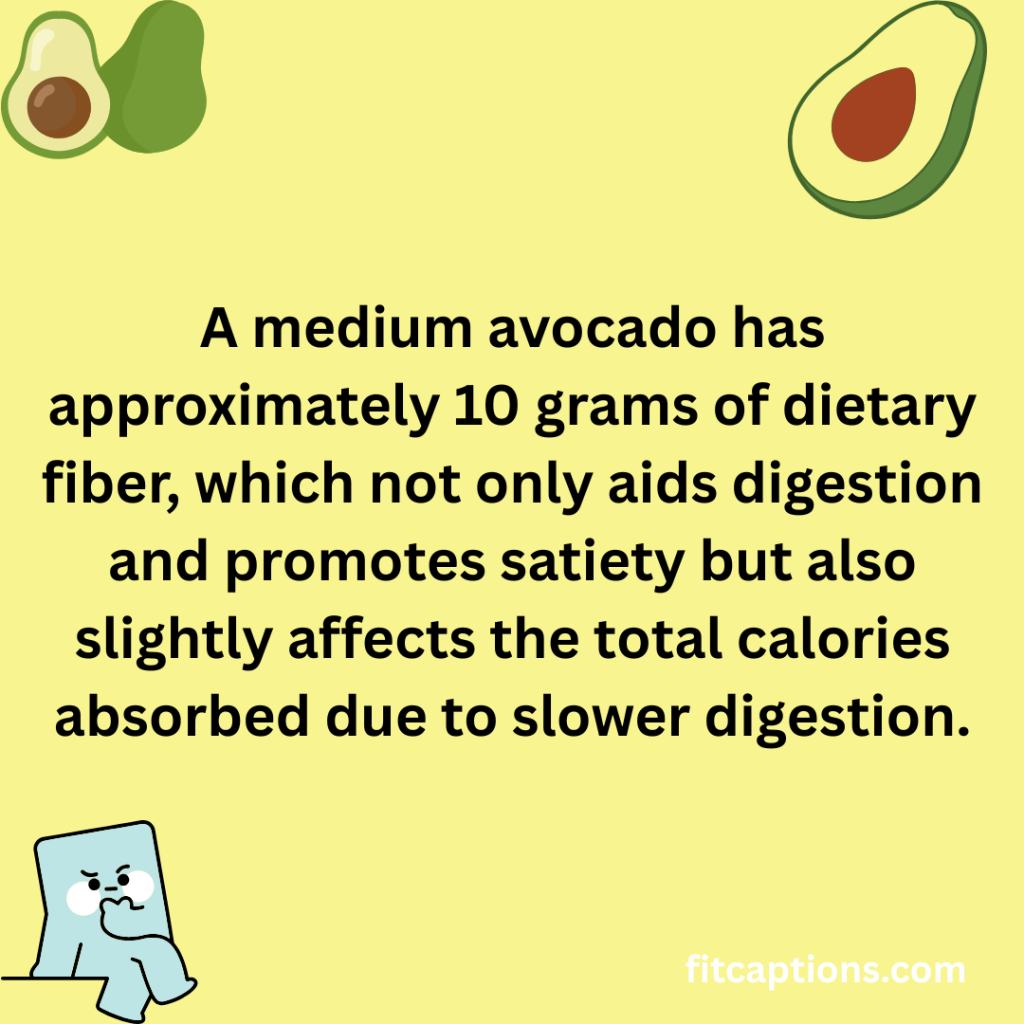
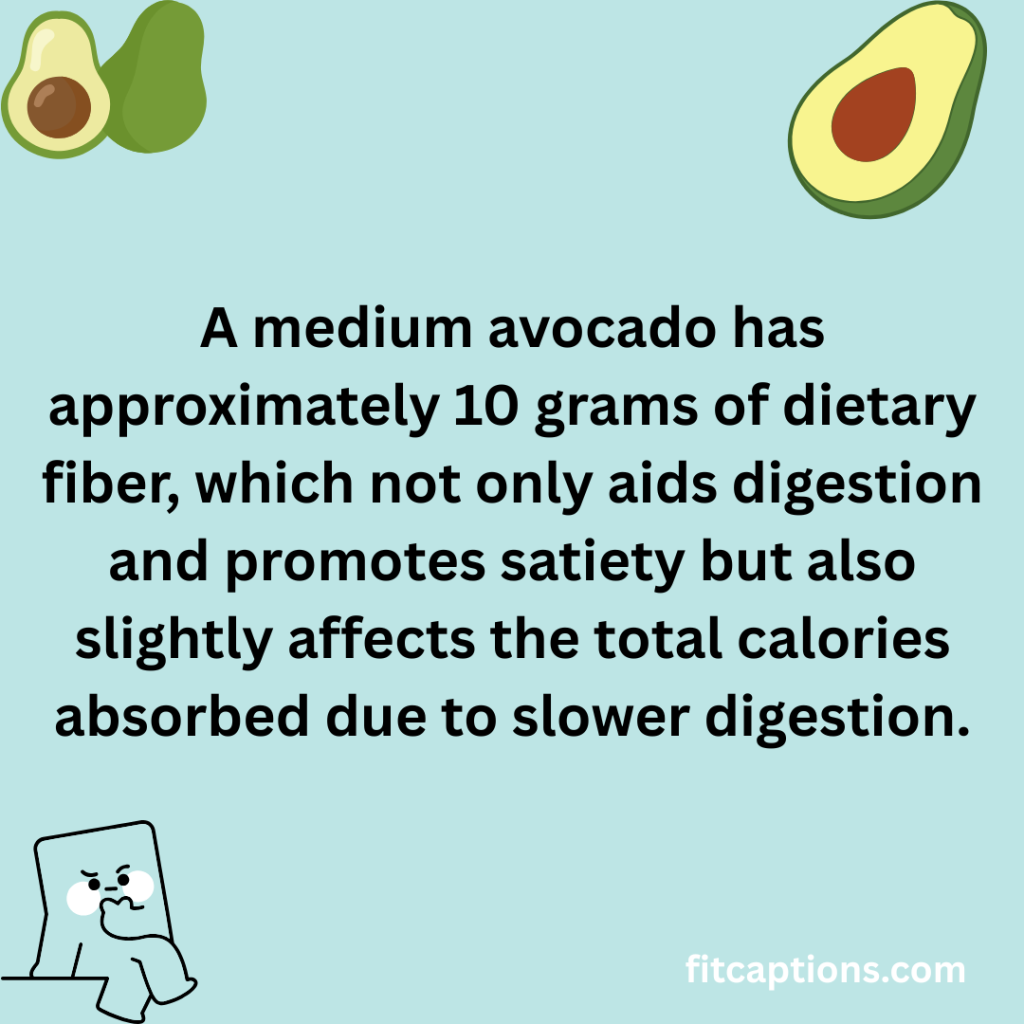
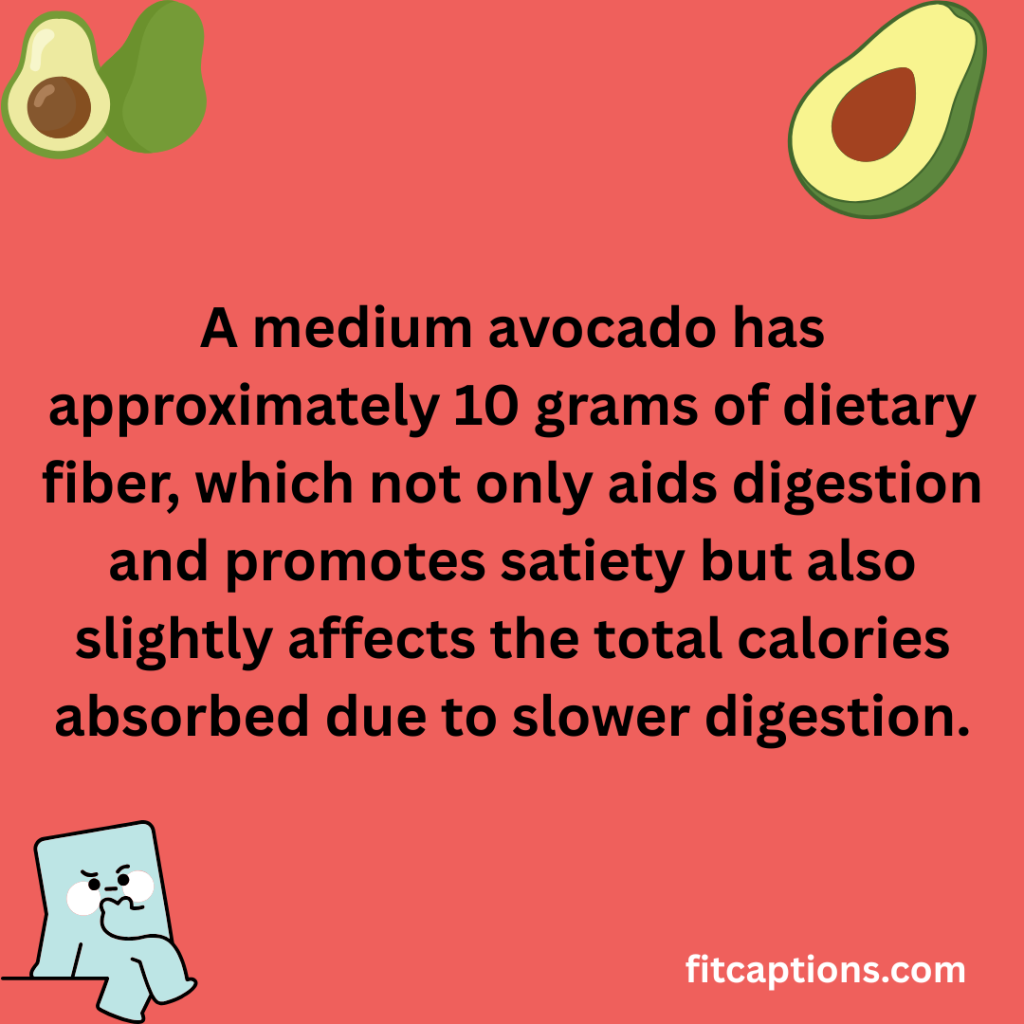
4 A medium avocado has approximately 10 grams of dietary fiber, which not only aids digestion and promotes satiety but also slightly affects the total calories absorbed due to slower digestion.
5 Protein content in an avocado is around 3 grams per medium fruit, providing a minor contribution to calorie intake while supporting muscle maintenance and cellular functions.
6 The calorie content of avocado is largely from its fat, but these fats are heart-healthy, anti-inflammatory, and can improve nutrient absorption from other foods when eaten together.
7 Avocados have a low glycemic index, meaning their calories are absorbed slowly, providing sustained energy without causing rapid spikes in blood sugar levels.
8 Half of a medium avocado, approximately 75 grams, contains around 120 calories, making portion control important for those monitoring calorie intake while still enjoying its nutrient-dense benefits.
9 Despite being high in calories, avocados are rich in vitamins and minerals such as potassium, vitamin K, vitamin C, and folate, ensuring that the calories consumed are highly nutritious.
10 The combination of fats, fiber, and protein in avocados makes their calories more satisfying than many other fruits, reducing overall hunger and helping maintain a balanced diet over time.
Vitamins In Avocado Nutrition Facts
1 Vitamin K is abundant in avocados and plays a vital role in blood clotting, bone health, and supporting cardiovascular function by helping regulate calcium levels in the body.
2 Vitamin C in avocados acts as a powerful antioxidant, supporting immune function, promoting collagen production for healthy skin, and protecting cells from damage caused by free radicals.
3 Vitamin E is a fat-soluble antioxidant found in avocados that helps protect cell membranes from oxidative damage, supports skin and eye health, and contributes to overall immune function.
4 Vitamin B5, or pantothenic acid, is present in avocados and is essential for converting food into energy, synthesizing hormones, and maintaining healthy skin and nervous system function.
5 Vitamin B6 helps the body produce neurotransmitters that regulate mood, supports hemoglobin production, and is involved in protein and carbohydrate metabolism, making it essential for overall health.
6 Folate, also known as vitamin B9, is abundant in avocados and plays a critical role in DNA synthesis, cell division, and supporting healthy fetal development during pregnancy.
7 Vitamin A, present in small amounts in avocados as beta-carotene, supports vision, immune function, and cellular growth, contributing to healthy skin and eye maintenance.
8 Riboflavin (Vitamin B2) is found in avocados and helps convert nutrients into energy, supports red blood cell production, and contributes to maintaining healthy skin, eyes, and nervous system function.
9 Niacin (Vitamin B3) is present in avocados and assists in metabolism by converting food into usable energy, supporting healthy skin, nerves, and digestive system function.
10 Choline, often grouped with B vitamins, is found in avocados and is essential for brain development, nerve signaling, liver function, and metabolism of fats, making it a critical nutrient for overall health.
Minerals In Avocado Nutrition Facts
1 Vitamin K is abundant in avocados and plays a vital role in blood clotting, bone health, and supporting cardiovascular function by helping regulate calcium levels in the body.
2 Vitamin C in avocados acts as a powerful antioxidant, supporting immune function, promoting collagen production for healthy skin, and protecting cells from damage caused by free radicals.
3 Vitamin E is a fat-soluble antioxidant found in avocados that helps protect cell membranes from oxidative damage, supports skin and eye health, and contributes to overall immune function.
4 Vitamin B5, or pantothenic acid, is present in avocados and is essential for converting food into energy, synthesizing hormones, and maintaining healthy skin and nervous system function.
5 Vitamin B6 helps the body produce neurotransmitters that regulate mood, supports hemoglobin production, and is involved in protein and carbohydrate metabolism, making it essential for overall health.
6 Folate, also known as vitamin B9, is abundant in avocados and plays a critical role in DNA synthesis, cell division, and supporting healthy fetal development during pregnancy.
7 Vitamin A, present in small amounts in avocados as beta-carotene, supports vision, immune function, and cellular growth, contributing to healthy skin and eye maintenance.
8 Riboflavin (Vitamin B2) is found in avocados and helps convert nutrients into energy, supports red blood cell production, and contributes to maintaining healthy skin, eyes, and nervous system function.
9 Niacin (Vitamin B3) is present in avocados and assists in metabolism by converting food into usable energy, supporting healthy skin, nerves, and digestive system function.
10 Choline, often grouped with B vitamins, is found in avocados and is essential for brain development, nerve signaling, liver function, and metabolism of fats, making it a critical nutrient for overall health.
Healthy Fats In Avocado Nutrition Facts
1 Avocados are rich in monounsaturated fats, primarily oleic acid, which is heart-healthy, helps reduce inflammation, and supports overall cardiovascular health while providing calorie-dense energy.
2 Polyunsaturated fats, including omega-6 fatty acids, are present in smaller amounts in avocados, contributing to brain function, cell membrane health, and balanced hormone production.
3 Avocados contain a small amount of omega-3 fatty acids, essential for reducing inflammation, supporting heart and brain health, and promoting healthy vision, though in lower quantities than fatty fish.
4 The monounsaturated fats in avocados can help increase HDL (“good”) cholesterol while lowering LDL (“bad”) cholesterol, contributing to a healthier lipid profile and reduced risk of heart disease.
5 Avocado fats are highly bioavailable, meaning they enhance the absorption of fat-soluble vitamins like A, D, E, and K when eaten together with other foods, boosting overall nutrient intake.
6 Unlike trans fats and most saturated fats, the fats in avocados are natural and anti-inflammatory, supporting metabolic health, maintaining healthy blood pressure, and reducing oxidative stress in the body.
7 Avocado fats provide long-lasting energy due to slower digestion, making them ideal for sustained energy levels, satiety, and weight management compared to refined carbohydrates.
8 Cooking with avocado oil retains the fruit’s healthy fats while providing a stable option for high-heat cooking, as monounsaturated fats are resistant to oxidation compared to many other oils.
9 The combination of fats, fiber, and micronutrients in avocados slows down the digestion of carbohydrates, stabilizing blood sugar levels and helping prevent rapid spikes in energy.
10 Including avocados regularly in the diet can improve heart health, cognitive function, and skin quality, thanks to the antioxidant and anti-inflammatory properties of the healthy fats they contain.
Fiber Content In Avocado Nutrition Facts
1 Avocados are rich in monounsaturated fats, primarily oleic acid, which is heart-healthy, helps reduce inflammation, and supports overall cardiovascular health while providing calorie-dense energy.
2 Polyunsaturated fats, including omega-6 fatty acids, are present in smaller amounts in avocados, contributing to brain function, cell membrane health, and balanced hormone production.
3 Avocados contain a small amount of omega-3 fatty acids, essential for reducing inflammation, supporting heart and brain health, and promoting healthy vision, though in lower quantities than fatty fish.
4 The monounsaturated fats in avocados can help increase HDL (“good”) cholesterol while lowering LDL (“bad”) cholesterol, contributing to a healthier lipid profile and reduced risk of heart disease.
5 Avocado fats are highly bioavailable, meaning they enhance the absorption of fat-soluble vitamins like A, D, E, and K when eaten together with other foods, boosting overall nutrient intake.
6 Unlike trans fats and most saturated fats, the fats in avocados are natural and anti-inflammatory, supporting metabolic health, maintaining healthy blood pressure, and reducing oxidative stress in the body.
7 Avocado fats provide long-lasting energy due to slower digestion, making them ideal for sustained energy levels, satiety, and weight management compared to refined carbohydrates.
8 Cooking with avocado oil retains the fruit’s healthy fats while providing a stable option for high-heat cooking, as monounsaturated fats are resistant to oxidation compared to many other oils.
9 The combination of fats, fiber, and micronutrients in avocados slows down the digestion of carbohydrates, stabilizing blood sugar levels and helping prevent rapid spikes in energy.
10 Including avocados regularly in the diet can improve heart health, cognitive function, and skin quality, thanks to the antioxidant and anti-inflammatory properties of the healthy fats they contain.
Sugar And Carbohydrate Facts In Avocado Nutrition Facts
1 A medium-sized avocado, about 150 grams, contains approximately 12–13 grams of total carbohydrates, making it relatively low in carbs compared to most fruits and suitable for low-carb diets.
2 Of the total carbohydrates, only about 1 gram comes from natural sugars, such as fructose and glucose, which gives avocados a very mild, buttery sweetness without significantly affecting blood sugar.
3 The majority of carbohydrates in avocados come from dietary fiber, approximately 10 grams per medium fruit, which slows digestion, promotes satiety, and helps regulate blood sugar levels.
4 The low sugar content in avocados means they have a very low glycemic index, making them an excellent fruit choice for people with diabetes or those aiming to maintain steady energy levels.
5 Fiber in avocados includes both soluble and insoluble types: soluble fiber helps stabilize blood sugar and cholesterol, while insoluble fiber promotes healthy bowel movements and gut health.
6 Despite being low in sugar, the carbohydrates in avocados are nutrient-dense, providing essential vitamins, minerals, and antioxidants that help the body utilize energy efficiently without excess caloric load.
7 The carbohydrate content in avocados contributes to slow, sustained energy release, unlike high-sugar fruits that cause rapid spikes and crashes in blood glucose levels.
8 Avocados are unique among fruits because their high fiber-to-carb ratio means most of the carbohydrates do not directly contribute to caloric intake, as fiber is not fully digested by the body.
9 Including avocados in meals can help balance the carbohydrate content of a dish, as their fiber and healthy fats reduce post-meal blood sugar spikes when eaten with higher-carb foods like bread, rice, or potatoes.
10 The combination of very low sugar, moderate carbohydrates, and high fiber makes avocados an ideal fruit for weight management, metabolic health, and sustained energy, demonstrating that not all carbohydrates are created equal.
Health Benefits From Avocado Nutrition Facts
1 A medium-sized avocado, about 150 grams, contains approximately 12–13 grams of total carbohydrates, making it relatively low in carbs compared to most fruits and suitable for low-carb diets.
2 Of the total carbohydrates, only about 1 gram comes from natural sugars, such as fructose and glucose, which gives avocados a very mild, buttery sweetness without significantly affecting blood sugar.
3 The majority of carbohydrates in avocados come from dietary fiber, approximately 10 grams per medium fruit, which slows digestion, promotes satiety, and helps regulate blood sugar levels.
4 The low sugar content in avocados means they have a very low glycemic index, making them an excellent fruit choice for people with diabetes or those aiming to maintain steady energy levels.
5 Fiber in avocados includes both soluble and insoluble types: soluble fiber helps stabilize blood sugar and cholesterol, while insoluble fiber promotes healthy bowel movements and gut health.
6 Despite being low in sugar, the carbohydrates in avocados are nutrient-dense, providing essential vitamins, minerals, and antioxidants that help the body utilize energy efficiently without excess caloric load.
7 The carbohydrate content in avocados contributes to slow, sustained energy release, unlike high-sugar fruits that cause rapid spikes and crashes in blood glucose levels.
8 Avocados are unique among fruits because their high fiber-to-carb ratio means most of the carbohydrates do not directly contribute to caloric intake, as fiber is not fully digested by the body.
9 Including avocados in meals can help balance the carbohydrate content of a dish, as their fiber and healthy fats reduce post-meal blood sugar spikes when eaten with higher-carb foods like bread, rice, or potatoes.
10 The combination of very low sugar, moderate carbohydrates, and high fiber makes avocados an ideal fruit for weight management, metabolic health, and sustained energy, demonstrating that not all carbohydrates are created equal.
Final Thoughts
Avocados are more than just a tasty ingredient — their avocado nutrition facts show why they’re a nutritious addition to any diet.
Rich in healthy fats, fiber, vitamins, and minerals, avocados can support heart health, digestion, and overall well-being.
Incorporating avocados into your meals is a simple and delicious way to boost your daily nutrition.