
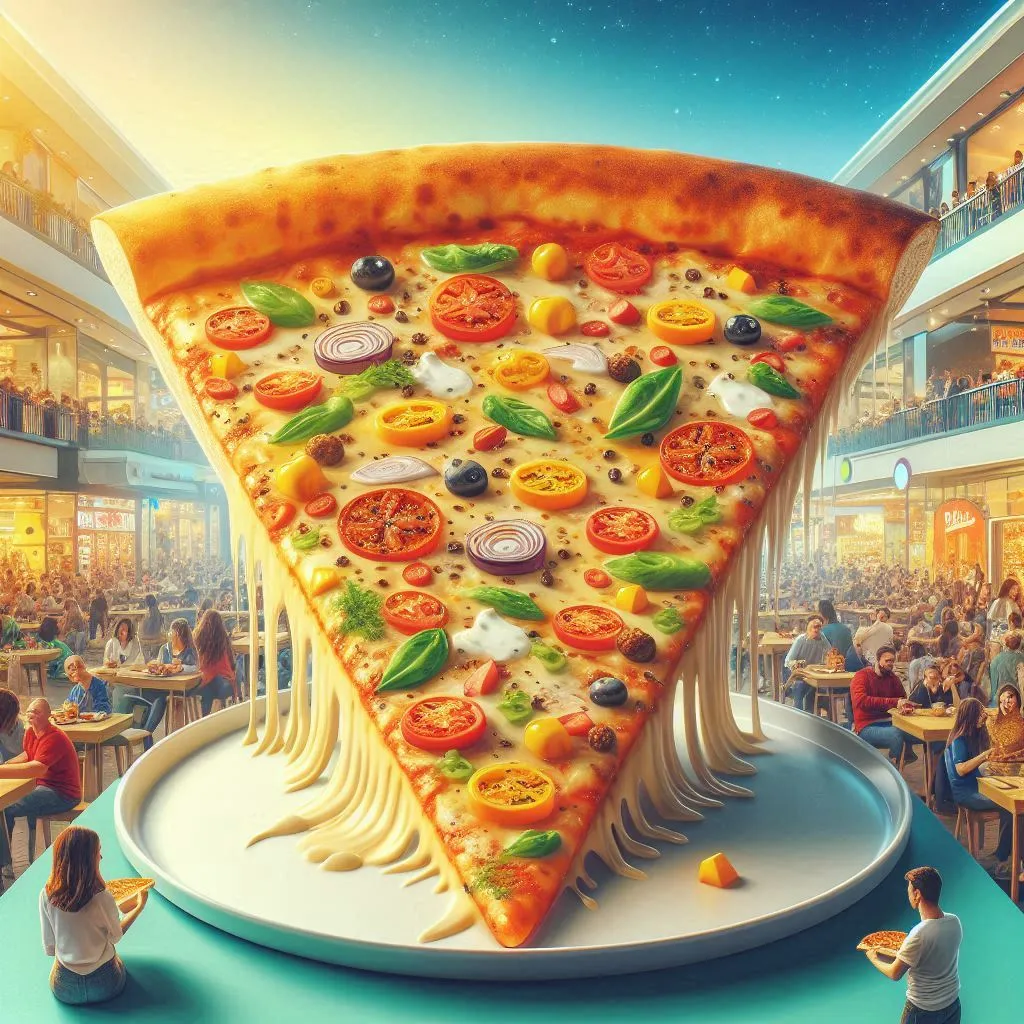
If you’re curious about the Costco pizza nutrition fact, you’ve probably noticed how huge their slices are and wondered what that means for your diet.
Costco’s food court pizzas are famous for their size and flavor—but they also pack a lot of calories, fat, protein, and sodium per slice.
In this guide, we break down the nutrition facts for different types of Costco pizza so you can understand what you’re eating and make informed choices.
Costco pizza nutrition facts per slice
1. A typical slice of Costco cheese pizza contains approximately 700 calories, making it a high-energy option that can contribute significantly to daily caloric intake.
2. Total fat per slice is around 33 grams, with a significant portion coming from cheese and oil used in the dough, contributing to both flavor and energy density.
3. Saturated fat content is about 14 grams, which is more than half of the recommended daily limit for saturated fat in some dietary guidelines, affecting heart health if consumed frequently.
4. Trans fat is minimal or zero, as Costco largely uses oils that do not contain hydrogenated fats, reducing some cardiovascular risk.
5. The protein content per slice is roughly 31 grams, primarily from the cheese and the dough, which can help support muscle repair and satiety.
6. Total carbohydrates per slice are around 85 grams, mostly from the pizza dough, providing a significant source of energy but also contributing to high calorie intake.
7. Sugars per slice are approximately 8 grams, coming from the dough and pizza sauce, adding sweetness but also contributing to the overall carbohydrate load.
8. Dietary fiber per slice is low, around 4 grams, mostly from the wheat flour in the dough, which means it offers limited digestive benefits.
9. Sodium content is high, approximately 1,650 milligrams per slice, which is a significant portion of the daily recommended limit and may impact blood pressure if consumed frequently.
10. Cholesterol per slice is around 90 milligrams, largely due to the cheese, which can affect heart health when consumed in large amounts over time.
11. Calcium content is high due to the cheese, contributing to bone health and providing approximately 30% of the recommended daily intake per slice.
12. The slice contains essential micronutrients like phosphorus from the cheese and iron from the flour, supporting energy metabolism and overall bodily functions.
13. Costco pizza is rich in calories and macronutrients, making it an energy-dense food suitable for occasional indulgence but not ideal for frequent consumption without balancing other meals.
14. The combination of high fat and refined carbohydrates in a slice can cause rapid energy spikes, followed by potential energy crashes if consumed without protein or fiber from other foods.
15. The high sodium content also contributes to water retention, which can cause temporary bloating or increased blood pressure in sensitive individuals.
16. While protein from cheese provides satiety, the high fat and carbohydrate content can make a single slice extremely calorie-dense, equivalent to multiple smaller meals in energy content.
17. A slice of pepperoni or combo pizza adds additional fat, sodium, and protein, slightly increasing calories to around 710–730 per slice, depending on toppings.
18. Consuming multiple slices in one sitting, which is common at Costco due to their large slice size, can easily exceed daily recommended limits for calories, fat, saturated fat, and sodium.
19. Despite its nutritional drawbacks, Costco pizza can provide comfort and convenience, and pairing it with vegetables or a salad can help balance its macronutrient profile.
20. Overall, a single slice of Costco pizza is a high-calorie, high-fat, high-sodium food with moderate protein, providing energy and taste enjoyment but requiring moderation and mindful pairing with other foods to maintain a balanced diet.
Calories and macronutrients in Costco pizza
1. A single slice of Costco cheese pizza contains approximately 700 calories, making it a high-energy food that can easily cover a significant portion of an adult’s daily caloric needs.
2. The calories primarily come from three macronutrients: carbohydrates, fat, and protein, each contributing differently to energy and satiety.
3. Total fat per slice is roughly 33 grams, which provides dense energy and contributes to the rich, cheesy flavor that Costco pizza is known for.
4. Saturated fat is around 14 grams per slice, mostly from the cheese, and excessive intake can raise LDL cholesterol and increase cardiovascular risk over time.
5. Trans fat is minimal or absent in Costco pizza, since hydrogenated oils are largely avoided, reducing some negative effects on heart health.
6. Protein content is substantial, approximately 31 grams per slice, primarily from cheese and dough, helping with muscle repair, satiety, and overall nutrition.
7. Total carbohydrates per slice are about 85 grams, largely derived from the wheat flour in the pizza crust, which acts as a primary energy source.
8. Of the total carbohydrates, around 8 grams come from sugar, mostly present in the pizza sauce and dough, which contributes to flavor but also adds to the glycemic load.
9. Dietary fiber is low, about 4 grams per slice, meaning digestion and blood sugar regulation benefits are limited despite the carbohydrate content.
10. Sodium content is high, around 1,650 milligrams per slice, which can contribute to water retention and increase blood pressure if consumed frequently.
11. Cholesterol is about 90 milligrams per slice, primarily from cheese, adding to the fat content and contributing to overall heart health considerations.
12. The balance of macronutrients shows that Costco pizza is energy-dense: high in fat and carbohydrates, moderate in protein, and low in fiber, making it less optimal for frequent consumption.
13. The high fat content contributes not only to calories but also to satiety, meaning it can keep you full, but at the cost of high energy intake in a single slice.
14. Carbohydrates provide immediate energy, but because they are mostly refined from the crust, blood sugar spikes may occur followed by a potential energy crash.
15. Protein helps counterbalance the high carbohydrate content, providing some sustained satiety and nutritional benefit, though it does not offset the high calorie and sodium load entirely.
16. Additional toppings such as pepperoni or sausage increase fat, saturated fat, and protein, raising calories to roughly 710–730 per slice, depending on the quantity.
17. Eating multiple slices compounds the intake of all macronutrients, making it easy to exceed recommended daily limits for calories, fat, and sodium in just one meal.
18. The macronutrient ratio of Costco pizza is roughly 47% carbohydrates, 42% fat, and 11% protein, highlighting that it is heavily weighted toward energy-dense ingredients rather than balanced nutrition.
19. While high in calories and fat, the protein content can make a single slice more satisfying than other fast foods of similar caloric content, helping reduce the likelihood of immediate snacking.
20. Overall, Costco pizza is a highly caloric, macronutrient-rich food with significant fat and carbohydrate content, moderate protein, low fiber, and high sodium, making it suitable for occasional indulgence but not ideal for frequent consumption without careful dietary planning.

Costco cheese pizza nutrition fact
1. A single slice of Costco cheese pizza contains approximately 700 calories, making it a high-energy food that can easily cover a significant portion of an adult’s daily caloric needs.
2. The calories primarily come from three macronutrients: carbohydrates, fat, and protein, each contributing differently to energy and satiety.
3. Total fat per slice is roughly 33 grams, which provides dense energy and contributes to the rich, cheesy flavor that Costco pizza is known for.
4. Saturated fat is around 14 grams per slice, mostly from the cheese, and excessive intake can raise LDL cholesterol and increase cardiovascular risk over time.
5. Trans fat is minimal or absent in Costco pizza, since hydrogenated oils are largely avoided, reducing some negative effects on heart health.
6. Protein content is substantial, approximately 31 grams per slice, primarily from cheese and dough, helping with muscle repair, satiety, and overall nutrition.
7. Total carbohydrates per slice are about 85 grams, largely derived from the wheat flour in the pizza crust, which acts as a primary energy source.
8. Of the total carbohydrates, around 8 grams come from sugar, mostly present in the pizza sauce and dough, which contributes to flavor but also adds to the glycemic load.
9. Dietary fiber is low, about 4 grams per slice, meaning digestion and blood sugar regulation benefits are limited despite the carbohydrate content.
10. Sodium content is high, around 1,650 milligrams per slice, which can contribute to water retention and increase blood pressure if consumed frequently.
11. Cholesterol is about 90 milligrams per slice, primarily from cheese, adding to the fat content and contributing to overall heart health considerations.
12. The balance of macronutrients shows that Costco pizza is energy-dense: high in fat and carbohydrates, moderate in protein, and low in fiber, making it less optimal for frequent consumption.
13. The high fat content contributes not only to calories but also to satiety, meaning it can keep you full, but at the cost of high energy intake in a single slice.
14. Carbohydrates provide immediate energy, but because they are mostly refined from the crust, blood sugar spikes may occur followed by a potential energy crash.
15. Protein helps counterbalance the high carbohydrate content, providing some sustained satiety and nutritional benefit, though it does not offset the high calorie and sodium load entirely.
16. Additional toppings such as pepperoni or sausage increase fat, saturated fat, and protein, raising calories to roughly 710–730 per slice, depending on the quantity.
17. Eating multiple slices compounds the intake of all macronutrients, making it easy to exceed recommended daily limits for calories, fat, and sodium in just one meal.
18. The macronutrient ratio of Costco pizza is roughly 47% carbohydrates, 42% fat, and 11% protein, highlighting that it is heavily weighted toward energy-dense ingredients rather than balanced nutrition.
19. While high in calories and fat, the protein content can make a single slice more satisfying than other fast foods of similar caloric content, helping reduce the likelihood of immediate snacking.
20. Overall, Costco pizza is a highly caloric, macronutrient-rich food with significant fat and carbohydrate content, moderate protein, low fiber, and high sodium, making it suitable for occasional indulgence but not ideal for frequent consumption without careful dietary planning.
Costco pepperoni pizza nutrition fact
1. A single slice of Costco pepperoni pizza contains approximately 710–730 calories, depending on the size of the slice and amount of toppings, making it a high-calorie, energy-dense food.
2. Total fat content per slice is around 35 grams, with much of it coming from the cheese and pepperoni, which contributes to the rich, savory flavor.
3. Saturated fat is approximately 15 grams per slice, representing a significant portion of the recommended daily limit and something to monitor for heart health.
4. Trans fat is minimal or absent, as Costco uses oils that are low in hydrogenated fats, reducing cardiovascular risk.
5. Protein content is high, roughly 32 grams per slice, mainly from the cheese and pepperoni, which helps with satiety, muscle repair, and overall nutrition.
6. Total carbohydrates are about 85 grams per slice, mostly derived from the wheat crust, providing energy but also contributing heavily to the calorie count.
7. Sugars are approximately 8 grams per slice, coming from both the dough and tomato sauce, adding sweetness but also contributing to rapid blood sugar spikes.
8. Dietary fiber content is low, around 4 grams per slice, which means it provides limited digestive benefits despite the carbohydrate load.
9. Sodium is very high, roughly 1,700–1,800 milligrams per slice, mostly from pepperoni, cheese, and sauce, contributing significantly to daily sodium intake.
10. Cholesterol content is around 95 milligrams per slice, largely from cheese and pepperoni, adding to overall cardiovascular considerations.
11. The pizza contains essential micronutrients such as calcium from cheese, supporting bone health, and small amounts of phosphorus and iron from the crust and toppings.
12. Pepperoni adds additional fat and protein compared with cheese-only pizza, making this slice slightly higher in calories and saturated fat.
13. The macronutrient composition is approximately 47% carbohydrates, 43% fat, and 10% protein, indicating it is heavily weighted toward energy-dense ingredients rather than balanced nutrition.
14. Due to its high fat and refined carbohydrate content, a slice can cause rapid energy spikes followed by potential sugar crashes, especially if eaten without fiber-rich foods.
15. Eating multiple slices can easily exceed daily recommended limits for calories, fat, saturated fat, and sodium, making portion control very important.
16. The protein in a pepperoni slice contributes to satiety and can help balance blood sugar to some extent, but it does not offset the high energy, fat, and sodium content.
17. The high sodium level can cause water retention, bloating, or temporary increases in blood pressure in sensitive individuals if consumed frequently.
18. The slice’s energy density and flavor make it appealing for occasional indulgence or large gatherings, but it is not suitable for daily consumption without impacting overall dietary balance.
19. Pairing a slice with vegetables, a salad, or water can help moderate the effects of high sodium and calories while adding fiber and nutrients to the meal.
20. Overall, a single slice of Costco pepperoni pizza is a high-calorie, high-fat, high-sodium food with moderate protein, low fiber, and some micronutrients, making it enjoyable as an occasional treat but requiring moderation and mindful portion control for health maintenance.
Costco combo pizza nutrition fact
1. A single slice of Costco pepperoni pizza contains approximately 710–730 calories, depending on the size of the slice and amount of toppings, making it a high-calorie, energy-dense food.
2. Total fat content per slice is around 35 grams, with much of it coming from the cheese and pepperoni, which contributes to the rich, savory flavor.
3. Saturated fat is approximately 15 grams per slice, representing a significant portion of the recommended daily limit and something to monitor for heart health.
4. Trans fat is minimal or absent, as Costco uses oils that are low in hydrogenated fats, reducing cardiovascular risk.
5. Protein content is high, roughly 32 grams per slice, mainly from the cheese and pepperoni, which helps with satiety, muscle repair, and overall nutrition.
6. Total carbohydrates are about 85 grams per slice, mostly derived from the wheat crust, providing energy but also contributing heavily to the calorie count.
7. Sugars are approximately 8 grams per slice, coming from both the dough and tomato sauce, adding sweetness but also contributing to rapid blood sugar spikes.
8. Dietary fiber content is low, around 4 grams per slice, which means it provides limited digestive benefits despite the carbohydrate load.
9. Sodium is very high, roughly 1,700–1,800 milligrams per slice, mostly from pepperoni, cheese, and sauce, contributing significantly to daily sodium intake.
10. Cholesterol content is around 95 milligrams per slice, largely from cheese and pepperoni, adding to overall cardiovascular considerations.
11. The pizza contains essential micronutrients such as calcium from cheese, supporting bone health, and small amounts of phosphorus and iron from the crust and toppings.
12. Pepperoni adds additional fat and protein compared with cheese-only pizza, making this slice slightly higher in calories and saturated fat.
13. The macronutrient composition is approximately 47% carbohydrates, 43% fat, and 10% protein, indicating it is heavily weighted toward energy-dense ingredients rather than balanced nutrition.
14. Due to its high fat and refined carbohydrate content, a slice can cause rapid energy spikes followed by potential sugar crashes, especially if eaten without fiber-rich foods.
15. Eating multiple slices can easily exceed daily recommended limits for calories, fat, saturated fat, and sodium, making portion control very important.
16. The protein in a pepperoni slice contributes to satiety and can help balance blood sugar to some extent, but it does not offset the high energy, fat, and sodium content.
17. The high sodium level can cause water retention, bloating, or temporary increases in blood pressure in sensitive individuals if consumed frequently.
18. The slice’s energy density and flavor make it appealing for occasional indulgence or large gatherings, but it is not suitable for daily consumption without impacting overall dietary balance.
19. Pairing a slice with vegetables, a salad, or water can help moderate the effects of high sodium and calories while adding fiber and nutrients to the meal.
20. Overall, a single slice of Costco pepperoni pizza is a high-calorie, high-fat, high-sodium food with moderate protein, low fiber, and some micronutrients, making it enjoyable as an occasional treat but requiring moderation and mindful portion control for health maintenance.
Sodium and fat considerations
1. Sodium is an essential mineral that the body needs for fluid balance, nerve signaling, and muscle function, but excessive intake can have negative health consequences.
2. Many processed and restaurant foods, including pizza, fast food, and packaged snacks, contain extremely high levels of sodium, often exceeding the daily recommended limit in just one serving.
3. The American Heart Association recommends limiting sodium intake to around 2,300 milligrams per day, ideally aiming for 1,500 milligrams, but a single slice of cheese or pepperoni pizza can contain 1,500–1,800 milligrams.
4. High sodium intake causes the body to retain water, which can lead to temporary bloating, puffiness, and increased blood pressure in sensitive individuals.
5. Chronic overconsumption of sodium is linked to long-term cardiovascular issues, including hypertension, heart disease, and stroke.
6. Fat is another macronutrient that is vital for health, supporting hormone production, nutrient absorption, and cellular structure, but excessive fat, especially saturated and trans fats, can pose health risks.
7. Foods like pizza, fried foods, and processed meats are often high in total fat, with a large proportion coming from saturated fat, which can increase LDL cholesterol levels and contribute to heart disease.
8. Saturated fat should generally be limited to less than 10% of daily calories, but a single slice of pepperoni pizza can contain 14–15 grams, potentially exceeding recommended limits when multiple slices are eaten.
9. Trans fat, often found in partially hydrogenated oils, is particularly harmful because it raises LDL cholesterol while lowering HDL cholesterol, but many commercial foods have reduced trans fat in recent years.
10. Total fat contributes significantly to calorie density, meaning that foods high in fat can provide large amounts of energy in a small portion, increasing the risk of overeating.
11. Sodium and fat often appear together in processed foods, creating a combination that can enhance flavor and palatability but can also encourage excessive consumption.
12. High-sodium foods can make you thirstier, sometimes prompting additional consumption of sugary or salty drinks, further impacting calorie balance and hydration.
13. Dietary strategies to reduce sodium and fat intake include choosing whole foods, fresh vegetables, lean proteins, and cooking at home using herbs and spices instead of salt and processed oils.
14. When eating foods like pizza or fast food, portion control is critical; limiting to one slice or pairing with low-sodium, high-fiber foods can mitigate some negative effects.
15. Reading nutrition labels helps identify hidden sources of sodium and fat, such as in sauces, dressings, processed cheeses, and cured meats, which can add significantly to total intake.
16. Fat quality matters: unsaturated fats from nuts, seeds, avocado, and olive oil are beneficial, while saturated and trans fats from processed foods should be minimized.
17. Overconsumption of both sodium and fat can contribute to obesity, high blood pressure, heart disease, and metabolic syndrome, emphasizing the importance of dietary awareness.
18. Many restaurant and fast foods are reformulating recipes to reduce sodium and unhealthy fats, but careful selection is still necessary for health-conscious individuals.
19. Combining high-sodium and high-fat foods with regular physical activity, hydration, and a diet rich in fruits, vegetables, and whole grains can help balance their impact on overall health.
20. Overall, being mindful of sodium and fat intake is essential for long-term health, particularly when consuming energy-dense, processed, or restaurant foods; moderation, portion control, and balanced nutrition are key to preventing negative health outcomes.
Health impact of eating Costco pizza
1. Sodium is an essential mineral that the body needs for fluid balance, nerve signaling, and muscle function, but excessive intake can have negative health consequences.
2. Many processed and restaurant foods, including pizza, fast food, and packaged snacks, contain extremely high levels of sodium, often exceeding the daily recommended limit in just one serving.
3. The American Heart Association recommends limiting sodium intake to around 2,300 milligrams per day, ideally aiming for 1,500 milligrams, but a single slice of cheese or pepperoni pizza can contain 1,500–1,800 milligrams.
4. High sodium intake causes the body to retain water, which can lead to temporary bloating, puffiness, and increased blood pressure in sensitive individuals.
5. Chronic overconsumption of sodium is linked to long-term cardiovascular issues, including hypertension, heart disease, and stroke.
6. Fat is another macronutrient that is vital for health, supporting hormone production, nutrient absorption, and cellular structure, but excessive fat, especially saturated and trans fats, can pose health risks.
7. Foods like pizza, fried foods, and processed meats are often high in total fat, with a large proportion coming from saturated fat, which can increase LDL cholesterol levels and contribute to heart disease.
8. Saturated fat should generally be limited to less than 10% of daily calories, but a single slice of pepperoni pizza can contain 14–15 grams, potentially exceeding recommended limits when multiple slices are eaten.
9. Trans fat, often found in partially hydrogenated oils, is particularly harmful because it raises LDL cholesterol while lowering HDL cholesterol, but many commercial foods have reduced trans fat in recent years.
10. Total fat contributes significantly to calorie density, meaning that foods high in fat can provide large amounts of energy in a small portion, increasing the risk of overeating.
11. Sodium and fat often appear together in processed foods, creating a combination that can enhance flavor and palatability but can also encourage excessive consumption.
12. High-sodium foods can make you thirstier, sometimes prompting additional consumption of sugary or salty drinks, further impacting calorie balance and hydration.
13. Dietary strategies to reduce sodium and fat intake include choosing whole foods, fresh vegetables, lean proteins, and cooking at home using herbs and spices instead of salt and processed oils.
14. When eating foods like pizza or fast food, portion control is critical; limiting to one slice or pairing with low-sodium, high-fiber foods can mitigate some negative effects.
15. Reading nutrition labels helps identify hidden sources of sodium and fat, such as in sauces, dressings, processed cheeses, and cured meats, which can add significantly to total intake.
16. Fat quality matters: unsaturated fats from nuts, seeds, avocado, and olive oil are beneficial, while saturated and trans fats from processed foods should be minimized.
17. Overconsumption of both sodium and fat can contribute to obesity, high blood pressure, heart disease, and metabolic syndrome, emphasizing the importance of dietary awareness.
18. Many restaurant and fast foods are reformulating recipes to reduce sodium and unhealthy fats, but careful selection is still necessary for health-conscious individuals.
19. Combining high-sodium and high-fat foods with regular physical activity, hydration, and a diet rich in fruits, vegetables, and whole grains can help balance their impact on overall health.
20. Overall, being mindful of sodium and fat intake is essential for long-term health, particularly when consuming energy-dense, processed, or restaurant foods; moderation, portion control, and balanced nutrition are key to preventing negative health outcomes.
Final Thoughts
Knowing the Costco pizza nutrition fact helps you enjoy your favorite food court slice more mindfully. These pizzas are very calorie-dense and high in fat and sodium, but they also provide a good amount of protein thanks to generous cheese and toppings.
Whether you’re tracking macros, managing calories, or just curious, balancing portion size and pairing with lighter sides can help you enjoy Costco pizza without overdoing it.