
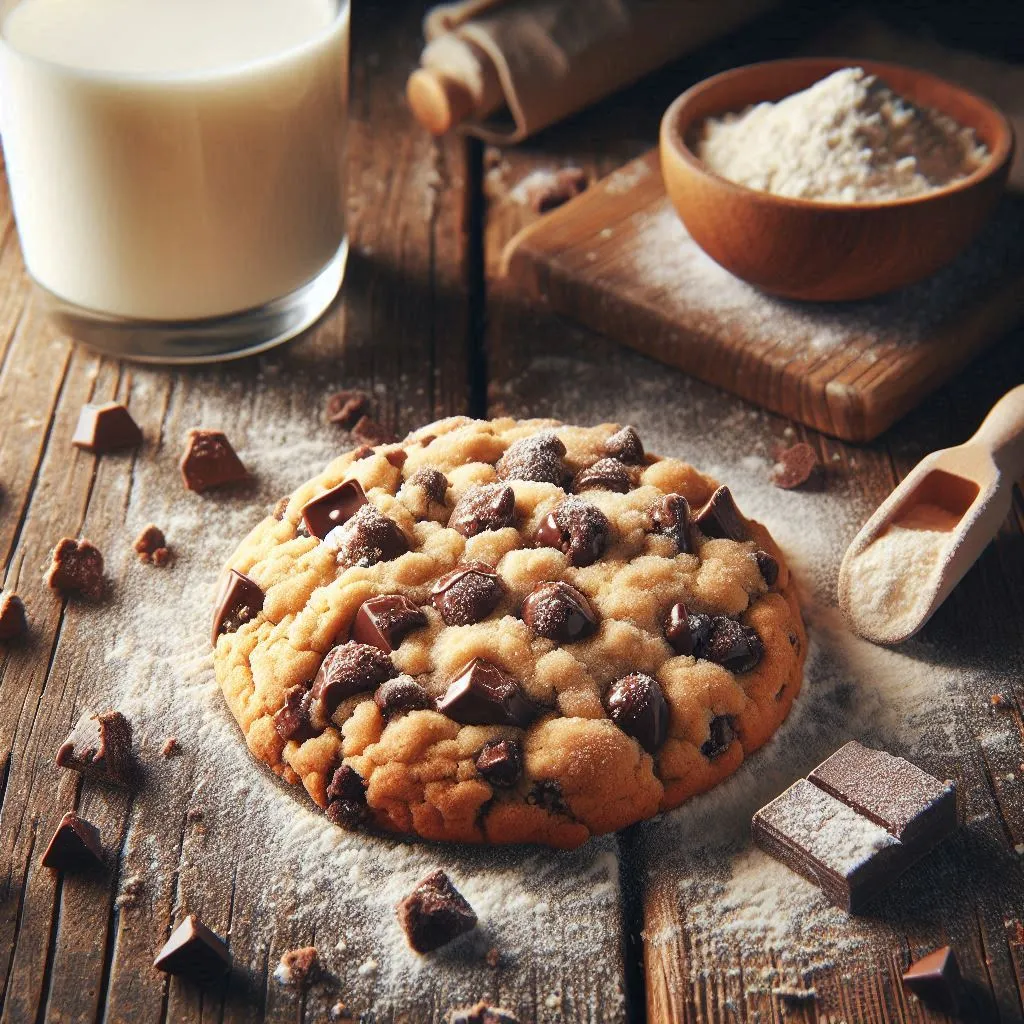
Crumbl cookies are giant, delicious, and often shockingly high in calories, making the crumbl cookie nutrition fact especially important for anyone tracking their diet.
Known for weekly-rotating flavors and rich toppings, these cookies pack lots of sugar, fat, and carbs in every bite.
In this guide, we break down typical nutrition values for full-size and mini Crumbl cookies, explain common ingredients, and share tips for enjoying them responsibly.
Crumbl cookie nutrition facts per cookie
1. A full-size Crumbl cookie typically contains 400–900 calories per cookie, depending on the flavor and toppings, making it very energy-dense.
2. For example, the Cookies & Cream flavor alone contains about 600 calories per cookie, illustrating how quickly calories can add up in a single serving.
3. The Chocolate Cake cookie contains around 720 calories per cookie, reflecting high energy from sugar, butter, and flour.
4. Total fat in a typical Crumbl cookie often ranges from 20 to 40 grams, coming mainly from butter, oil, and frosting.
5. Saturated fat is high, often 15–25 grams per cookie, due to rich dairy and chocolate ingredients.
6. Trans fat is negligible or zero, as commercial cookies rarely contain partially hydrogenated oils.
7. Crumbl cookies are high in carbohydrates, with some varieties containing 80–100 grams or more per cookie from sugar and refined flour.
8. Sugar content is often 50 grams or more, contributing to the sweet taste and high caloric content.
9. Dietary fiber is very low, usually just a few grams, because the cookies are primarily made from refined grains and sugar.
10. Protein content is modest, usually around 5–12 grams per cookie, from eggs, flour, and dairy.
11. Sodium can vary widely, with many cookies containing 200–600 milligrams per cookie, contributing to taste and preservation.
12. Cholesterol levels range from 80–130 milligrams per cookie due to eggs, butter, and milk in the dough.
13. Calories are mainly from fat and carbohydrates, with protein providing a smaller portion of total energy.
14. Because these cookies are large (4–6 ounces), a single cookie can equal several smaller desserts in calories.
15. Many flavors include frostings, glazes, or fillings, which increase sugar, fat, and total calories.
16. Even mid-range flavored cookies can provide 400–500 calories, which is substantial for a single dessert.
17. The high sugar content contributes to rapid spikes in blood glucose when consumed without other macronutrients.
18. Lacking significant fiber and protein, Crumbl cookies are fun indulgences but not optimal for sustained energy or balanced nutrition.
19. Specialty or holiday versions may exceed 900 calories per cookie, especially if layered or filled with rich toppings.
20. Overall, a typical Crumbl cookie is a high-calorie, high-carbohydrate, high-fat dessert with modest protein, suitable as an occasional treat but best consumed in moderation.
Calories and macronutrients in Crumbl cookies
1. A typical full-size Crumbl cookie contains between 400 and 900 calories per cookie, depending on the flavor, size, and toppings, making it a very energy-dense dessert.
2. The Cookies & Cream flavor has around 600 calories per cookie, highlighting how quickly calories can accumulate in a single serving.
3. Chocolate Cake Crumbl cookies can reach about 720 calories per cookie due to the combination of butter, sugar, and chocolate ingredients.
4. Total fat in Crumbl cookies generally ranges from 20 to 40 grams per cookie, coming mainly from butter, oils, and frosting.
5. Saturated fat is high, often between 15 and 25 grams per cookie, reflecting the use of dairy, chocolate, and other rich ingredients.
6. Trans fat is negligible or zero in most Crumbl cookies, as they rarely contain partially hydrogenated oils.
7. Carbohydrate content is very high, typically between 80 and 100 grams per cookie, coming primarily from refined flour and sugar.
8. Sugar contributes around 50 grams or more per cookie, making these desserts extremely sweet and a significant source of quick energy.
9. Dietary fiber is very low, usually just a few grams per cookie, as Crumbl cookies are primarily made from refined grains.
10. Protein content is modest, usually between 5 and 12 grams per cookie, sourced from eggs, flour, and dairy ingredients.
11. Sodium levels vary, ranging from 200 to 600 milligrams per cookie, contributing to flavor enhancement and preservation.
12. Cholesterol content is often between 80 and 130 milligrams per cookie, coming from eggs, butter, and milk.
13. The majority of calories in Crumbl cookies come from fat and carbohydrates, with protein providing only a small fraction of total energy.
14. Fat contributes roughly 180–360 calories per cookie, depending on the type and quantity of butter and oil used.
15. Carbohydrates contribute approximately 320–400 calories per cookie, largely from sugar and refined flour.
16. Protein contributes around 20–50 calories per cookie, which is relatively small compared with fat and carbs but adds some nutritional value.
17. Frosted or filled cookies have even higher calorie and fat content, as frostings, glazes, and chocolate fillings add additional sugars and oils.
18. Large portion sizes (4–6 ounces per cookie) mean that a single cookie can provide the equivalent calories of several smaller desserts.
19. Crumbl cookies are best consumed occasionally due to their high calorie, sugar, and fat content, especially for those monitoring weight or blood sugar.
20. Overall, Crumbl cookies are high-calorie, high-fat, and high-carbohydrate desserts with modest protein, making them indulgent treats that should be enjoyed in moderation.

Sugar content and added sugar amounts
1. A typical full-size Crumbl cookie contains between 400 and 900 calories per cookie, depending on the flavor, size, and toppings, making it a very energy-dense dessert.
2. The Cookies & Cream flavor has around 600 calories per cookie, highlighting how quickly calories can accumulate in a single serving.
3. Chocolate Cake Crumbl cookies can reach about 720 calories per cookie due to the combination of butter, sugar, and chocolate ingredients.
4. Total fat in Crumbl cookies generally ranges from 20 to 40 grams per cookie, coming mainly from butter, oils, and frosting.
5. Saturated fat is high, often between 15 and 25 grams per cookie, reflecting the use of dairy, chocolate, and other rich ingredients.
6. Trans fat is negligible or zero in most Crumbl cookies, as they rarely contain partially hydrogenated oils.
7. Carbohydrate content is very high, typically between 80 and 100 grams per cookie, coming primarily from refined flour and sugar.
8. Sugar contributes around 50 grams or more per cookie, making these desserts extremely sweet and a significant source of quick energy.
9. Dietary fiber is very low, usually just a few grams per cookie, as Crumbl cookies are primarily made from refined grains.
10. Protein content is modest, usually between 5 and 12 grams per cookie, sourced from eggs, flour, and dairy ingredients.
11. Sodium levels vary, ranging from 200 to 600 milligrams per cookie, contributing to flavor enhancement and preservation.
12. Cholesterol content is often between 80 and 130 milligrams per cookie, coming from eggs, butter, and milk.
13. The majority of calories in Crumbl cookies come from fat and carbohydrates, with protein providing only a small fraction of total energy.
14. Fat contributes roughly 180–360 calories per cookie, depending on the type and quantity of butter and oil used.
15. Carbohydrates contribute approximately 320–400 calories per cookie, largely from sugar and refined flour.
16. Protein contributes around 20–50 calories per cookie, which is relatively small compared with fat and carbs but adds some nutritional value.
17. Frosted or filled cookies have even higher calorie and fat content, as frostings, glazes, and chocolate fillings add additional sugars and oils.
18. Large portion sizes (4–6 ounces per cookie) mean that a single cookie can provide the equivalent calories of several smaller desserts.
19. Crumbl cookies are best consumed occasionally due to their high calorie, sugar, and fat content, especially for those monitoring weight or blood sugar.
20. Overall, Crumbl cookies are high-calorie, high-fat, and high-carbohydrate desserts with modest protein, making them indulgent treats that should be enjoyed in moderation.
Fat and cholesterol in Crumbl cookies
1. Crumbl cookies are rich in fat, with total fat content typically ranging from 20 to 40 grams per full-size cookie, depending on flavor, size, and added toppings.
2. Butter and oils used in the dough and frosting contribute the majority of the fat, giving the cookies their signature rich texture and flavor.
3. Saturated fat is particularly high, often between 15 and 25 grams per cookie, due to the presence of dairy ingredients such as butter, milk, and chocolate.
4. Saturated fat intake from a single cookie can approach or exceed half of the recommended daily limit for many adults, highlighting the need for moderation.
5. Trans fat is typically negligible or zero in most Crumbl cookies, as these cookies generally do not contain partially hydrogenated oils.
6. High fat content is a major contributor to the overall calorie density of Crumbl cookies, with fat providing roughly 180–360 calories per cookie.
7. The type of fat varies slightly by flavor, with cookies containing chocolate, caramel, or frosting layers tending to have higher fat levels.
8. Unsaturated fats are present in small amounts from oils or cocoa, which can provide minor heart-healthy benefits, but saturated fat dominates.
9. Cholesterol content in Crumbl cookies usually ranges from 80 to 130 milligrams per cookie, coming primarily from butter, milk, and eggs in the dough.
10. High cholesterol and saturated fat in combination can contribute to elevated LDL cholesterol levels if consumed frequently, impacting heart health.
11. Cookies with extra toppings, such as cream fillings or chocolate layers, tend to have the highest levels of both fat and cholesterol.
12. Even mid-range cookies, like simple sugar or snickerdoodle flavors, provide substantial fat and cholesterol per cookie, often enough to match or exceed one meal’s fat content.
13. The fat content also affects texture, making Crumbl cookies soft and chewy while the edges remain crisp, contributing to their indulgent appeal.
14. Because a single cookie contains so much fat, it is considered a high-fat dessert, which should be consumed sparingly to maintain a balanced diet.
15. Portion size matters significantly, as some Crumbl cookies weigh 4–6 ounces each, amplifying both fat and cholesterol intake.
16. The combination of high fat and high sugar makes these cookies energy-dense, delivering quick calories but limited nutritional value aside from small amounts of protein.
17. Saturated fat and cholesterol from Crumbl cookies contribute to flavor and richness, which is why these desserts are indulgent but should not be eaten frequently.
18. Compared to smaller cookies or homemade versions, Crumbl cookies rank very high in both total fat and cholesterol per serving.
19. Occasional indulgence is fine for most people, but regular consumption could impact heart health due to the high saturated fat and cholesterol content.
20. In summary, Crumbl cookies are high in total fat, particularly saturated fat, and contain significant cholesterol, making them indulgent treats best enjoyed in moderation as part of an overall balanced diet.
Protein and carbs breakdown
1. Crumbl cookies are rich in fat, with total fat content typically ranging from 20 to 40 grams per full-size cookie, depending on flavor, size, and added toppings.
2. Butter and oils used in the dough and frosting contribute the majority of the fat, giving the cookies their signature rich texture and flavor.
3. Saturated fat is particularly high, often between 15 and 25 grams per cookie, due to the presence of dairy ingredients such as butter, milk, and chocolate.
4. Saturated fat intake from a single cookie can approach or exceed half of the recommended daily limit for many adults, highlighting the need for moderation.
5. Trans fat is typically negligible or zero in most Crumbl cookies, as these cookies generally do not contain partially hydrogenated oils.
6. High fat content is a major contributor to the overall calorie density of Crumbl cookies, with fat providing roughly 180–360 calories per cookie.
7. The type of fat varies slightly by flavor, with cookies containing chocolate, caramel, or frosting layers tending to have higher fat levels.
8. Unsaturated fats are present in small amounts from oils or cocoa, which can provide minor heart-healthy benefits, but saturated fat dominates.
9. Cholesterol content in Crumbl cookies usually ranges from 80 to 130 milligrams per cookie, coming primarily from butter, milk, and eggs in the dough.
10. High cholesterol and saturated fat in combination can contribute to elevated LDL cholesterol levels if consumed frequently, impacting heart health.
11. Cookies with extra toppings, such as cream fillings or chocolate layers, tend to have the highest levels of both fat and cholesterol.
12. Even mid-range cookies, like simple sugar or snickerdoodle flavors, provide substantial fat and cholesterol per cookie, often enough to match or exceed one meal’s fat content.
13. The fat content also affects texture, making Crumbl cookies soft and chewy while the edges remain crisp, contributing to their indulgent appeal.
14. Because a single cookie contains so much fat, it is considered a high-fat dessert, which should be consumed sparingly to maintain a balanced diet.
15. Portion size matters significantly, as some Crumbl cookies weigh 4–6 ounces each, amplifying both fat and cholesterol intake.
16. The combination of high fat and high sugar makes these cookies energy-dense, delivering quick calories but limited nutritional value aside from small amounts of protein.
17. Saturated fat and cholesterol from Crumbl cookies contribute to flavor and richness, which is why these desserts are indulgent but should not be eaten frequently.
18. Compared to smaller cookies or homemade versions, Crumbl cookies rank very high in both total fat and cholesterol per serving.
19. Occasional indulgence is fine for most people, but regular consumption could impact heart health due to the high saturated fat and cholesterol content.
20. In summary, Crumbl cookies are high in total fat, particularly saturated fat, and contain significant cholesterol, making them indulgent treats best enjoyed in moderation as part of an overall balanced diet.
Health considerations of Crumbl cookie consumption
1. Crumbl cookies are extremely high in calories, often ranging from 400 to 900 calories per cookie, which can contribute to weight gain if consumed frequently or in large quantities.
2. High sugar content, usually 50 grams or more per cookie, can lead to rapid spikes in blood glucose, potentially impacting insulin sensitivity over time.
3. Regular consumption of these cookies may increase the risk of developing type 2 diabetes in individuals who are predisposed or who have poor dietary habits.
4. Saturated fat is high, often 15–25 grams per cookie, which can contribute to elevated LDL cholesterol levels and increase the risk of heart disease.
5. Cholesterol content ranges from 80 to 130 milligrams per cookie, further emphasizing the need for moderation, particularly for individuals with cardiovascular concerns.
6. The cookies are low in dietary fiber, which means they do not support digestive health or provide lasting satiety, potentially leading to overeating later.
7. Large portion sizes, often 4–6 ounces per cookie, make it easy to consume excessive calories, fat, and sugar in a single sitting.
8. Frequent indulgence can lead to nutrient displacement, where high-calorie cookies replace more nutrient-dense foods like fruits, vegetables, and whole grains.
9. High sodium content, ranging from 200 to 600 milligrams per cookie, can contribute to elevated blood pressure when combined with other sodium-rich foods.
10. Consuming Crumbl cookies alongside other sugary or fatty foods increases overall dietary load, which can exacerbate weight gain and metabolic strain.
11. The combination of sugar and refined carbohydrates can also impact dental health, increasing the risk of cavities and tooth decay if oral hygiene is not maintained.
12. While they contain modest protein (5–12 grams), this is not enough to counteract the high sugar and fat content, so the cookies are not balanced for long-term nutrition.
13. The high energy density means that a single cookie can replace a full meal in calories, which is important to consider for people tracking caloric intake.
14. Occasional consumption as a treat is generally safe for healthy individuals, but habitual intake can contribute to chronic health problems like obesity and metabolic syndrome.
15. People with preexisting conditions such as diabetes, high cholesterol, or hypertension should be especially cautious with Crumbl cookies.
16. The indulgent nature of the cookies can trigger cravings for other high-sugar, high-fat foods, making moderation challenging for some individuals.
17. Frosted, filled, or layered cookies have even higher sugar, fat, and calorie content, amplifying the health risks associated with frequent consumption.
18. Psychological effects, such as rewarding oneself with high-calorie sweets, can lead to habitual overeating if not balanced with mindful eating practices.
19. On the positive side, occasional consumption can provide pleasure and enjoyment, which is part of a healthy relationship with food if eaten in moderation.
20. Overall, Crumbl cookies are best enjoyed as occasional indulgences, with mindful portion control, due to their high calories, sugar, saturated fat, cholesterol, and low nutritional value.
Tips for enjoying Crumbl cookies mindfully
1. Crumbl cookies are extremely high in calories, often ranging from 400 to 900 calories per cookie, which can contribute to weight gain if consumed frequently or in large quantities.
2. High sugar content, usually 50 grams or more per cookie, can lead to rapid spikes in blood glucose, potentially impacting insulin sensitivity over time.
3. Regular consumption of these cookies may increase the risk of developing type 2 diabetes in individuals who are predisposed or who have poor dietary habits.
4. Saturated fat is high, often 15–25 grams per cookie, which can contribute to elevated LDL cholesterol levels and increase the risk of heart disease.
5. Cholesterol content ranges from 80 to 130 milligrams per cookie, further emphasizing the need for moderation, particularly for individuals with cardiovascular concerns.
6. The cookies are low in dietary fiber, which means they do not support digestive health or provide lasting satiety, potentially leading to overeating later.
7. Large portion sizes, often 4–6 ounces per cookie, make it easy to consume excessive calories, fat, and sugar in a single sitting.
8. Frequent indulgence can lead to nutrient displacement, where high-calorie cookies replace more nutrient-dense foods like fruits, vegetables, and whole grains.
9. High sodium content, ranging from 200 to 600 milligrams per cookie, can contribute to elevated blood pressure when combined with other sodium-rich foods.
10. Consuming Crumbl cookies alongside other sugary or fatty foods increases overall dietary load, which can exacerbate weight gain and metabolic strain.
11. The combination of sugar and refined carbohydrates can also impact dental health, increasing the risk of cavities and tooth decay if oral hygiene is not maintained.
12. While they contain modest protein (5–12 grams), this is not enough to counteract the high sugar and fat content, so the cookies are not balanced for long-term nutrition.
13. The high energy density means that a single cookie can replace a full meal in calories, which is important to consider for people tracking caloric intake.
14. Occasional consumption as a treat is generally safe for healthy individuals, but habitual intake can contribute to chronic health problems like obesity and metabolic syndrome.
15. People with preexisting conditions such as diabetes, high cholesterol, or hypertension should be especially cautious with Crumbl cookies.
16. The indulgent nature of the cookies can trigger cravings for other high-sugar, high-fat foods, making moderation challenging for some individuals.
17. Frosted, filled, or layered cookies have even higher sugar, fat, and calorie content, amplifying the health risks associated with frequent consumption.
18. Psychological effects, such as rewarding oneself with high-calorie sweets, can lead to habitual overeating if not balanced with mindful eating practices.
19. On the positive side, occasional consumption can provide pleasure and enjoyment, which is part of a healthy relationship with food if eaten in moderation.
20. Overall, Crumbl cookies are best enjoyed as occasional indulgences, with mindful portion control, due to their high calories, sugar, saturated fat, cholesterol, and low nutritional value.
Final Thoughts
Knowing the crumbl cookie nutrition fact helps you enjoy these indulgent treats with awareness.
Full-size Crumbl cookies often range from roughly 600 to 900 + calories each, with loads of sugar and fat — which makes them a special treat rather than an everyday snack.
Balancing portion size, trying mini versions, or sharing with friends allows you to indulge while staying aligned with your nutrition goals.