
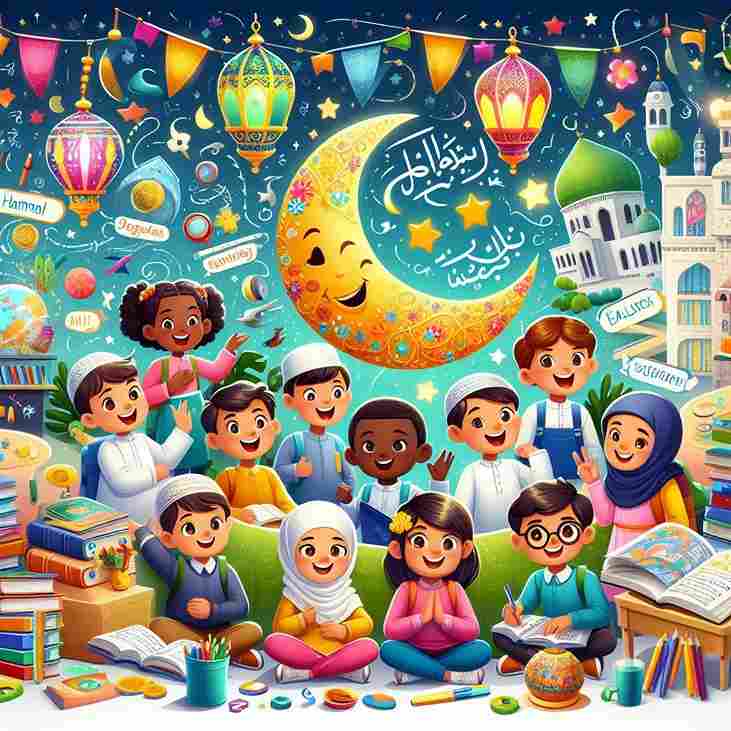
Ramadan is one of the most sacred and spiritually uplifting months observed by millions of Muslims around the world. Marked by fasting from dawn to sunset, prayer, reflection, and acts of charity, this holy month holds deep religious and cultural significance.
But beyond the daily fast, there are many fascinating traditions, historical insights, and meaningful practices that make Ramadan truly unique.
In this post, we’ll explore some interesting and enlightening Ramadan facts that highlight the importance, values, and global celebrations of this blessed month.
Fun Facts About Ramadan For Students
1. Ramadan shifts 11 days earlier each year, so it visits every season like a traveling holiday!
2. The crescent moon decides when Ramadan starts—spot it, and the fasting begins!
3. In super sunny places like the UK in summer, fasts can last a whopping 19 hours!
4. Kids, elderly, sick, or travelers get a “fast pass”—no fasting required!
5. Breaking fast with 3 dates is a Prophet’s trick—sweet energy boost!
6. Laylat al-Qadr hides in the last 10 nights; one prayer there beats 83 years!
7. Ramadan drummers wake sleepyheads for suhoor in Turkey—boom-boom breakfast call!
8. Lanterns lit up Egypt over 1,000 years ago to celebrate the holy nights!
9. Cannon booms signal iftar in some cities—a loud “time to eat!”
10. Quran’s first words dropped in Ramadan, like a divine download!
11. Communal iftars turn mosques into giant picnic parties!
12. Athletes fast during big games—proving willpower beats workouts!
13. Schools sometimes add quiet rooms so fasting students can chill at lunch.
14. Harira soup in Morocco is iftar’s cozy hug in a bowl!
15. Zakat al-Fitr buys Eid feasts for families who need it most.
16. Tarawih prayers feel like a nightly Quran storytime adventure.
17. “Ramadan” means scorching heat—from desert days of old!
18. Good deeds score 70x points—Ramadan’s ultimate bonus level!
19. Eid fireworks and sweets reward 30 days of champ-level patience.
20. Global twist: China’s Muslims slurp hand-pulled noodles for iftar!
Read More: 134 Ramadan Puns
Short Ramadan Facts For Students
1. Ramadan is the ninth month of the Islamic lunar calendar and is considered the holiest month for Muslims worldwide.
2. During Ramadan, Muslims fast from dawn until sunset, which means they do not eat or drink anything during daylight hours.
3. Fasting helps Muslims understand what hunger feels like and reminds them to be grateful and help those in need.
4. The pre-dawn meal before fasting begins is called Suhoor, and the meal to break the fast at sunset is called Iftar.
5. Traditionally, the fast is broken by eating dates and drinking water, following the example of the Prophet Muhammad.
6. Muslims believe the Holy Quran was first revealed to Prophet Muhammad during the last ten nights of Ramadan.
7. Not everyone has to fast. Young children, elderly people, travelers, and those who are sick or pregnant are all excused.
8. Ramadan is also a time for increased prayer, reading the Quran, and doing good deeds for others.
9. A special night prayer called Taraweeh is held every night at mosques during Ramadan.
10. The lunar calendar is about 11 days shorter than the solar calendar, so Ramadan moves earlier by about 10-11 days each year.
11. Because the calendar changes, Ramadan can sometimes be in long, hot summer days or shorter, cooler winter days.
12. Muslims believe that during Ramadan, the gates of heaven are open and the gates of hell are closed.
13. Giving charity, called Zakat or Sadaqah, is considered especially rewarding during the holy month.
14. The last ten nights of Ramadan are the most sacred, with one night called Laylat al-Qadir being better than a thousand months.
15. Many Muslims try to read the entire Quran during Ramadan, often dividing it into 30 parts to read one section each day.
16. Fasting is not just about giving up food. It also means avoiding gossip, arguing, and bad behavior.
17. When the month ends, Muslims celebrate Eid al-Fitr, a festive day with special prayers, meals, and gift-giving.
18. On Eid morning, Muslims dress in their best clothes, attend a special prayer, and greet each other with “Eid Mubarak.”
19. Children often receive gifts or money called “Eidi” from elders during the Eid celebration.
20. More than one billion Muslims around the world observe Ramadan, making it one of the largest religious observances on earth.
Read More: 135+ February Trivia Questions and Answers
Inspirational Ramadan Facts For Students
1. Ramadan is the ninth month of the Islamic lunar calendar, making it a moving season each year.
2. It is a month of fasting, prayer, and reflection, helping students learn discipline and patience.
3. Fasting during Ramadan is one of the Five Pillars of Islam, the core practices of the faith.
4. Muslims fast from dawn until sunset, teaching self-control and empathy for the hungry.
5. The pre-dawn meal is called suhoor, and the evening meal to break the fast is called iftar.
6. Dates and water are traditionally used to break the fast, following the example of the Prophet Muhammad.
7. Ramadan lasts 29 or 30 days, depending on the sighting of the new moon.
8. The end of Ramadan is celebrated with Eid al-Fitr, a joyful festival of prayers, food, and gifts.
9. Fasting is not only about food—it also means avoiding bad habits, gossip, and negative behavior.
10. Children, the elderly, travelers, and those who are ill are exempt from fasting, showing compassion in faith.
11. Ramadan encourages generosity, with Muslims giving charity to those in need.
12. Special nightly prayers called Tarawih are performed at mosques during Ramadan.
13. The last ten nights are especially sacred, with Laylat al-Qadr (Night of Power) believed to be when the Qur’an was first revealed.
14. Ramadan is a time for spiritual reflection, helping students focus on gratitude and humility.
15. Common greetings include “Ramadan Mubarak” (Blessed Ramadan) and “Ramadan Kareem” (Generous Ramadan).
16. Fasting teaches empathy, reminding students to appreciate what they have and care for others.
17. Ramadan strengthens family bonds, as meals and prayers are often shared together.
18. It is a month of balance—discipline for the body and nourishment for the soul.
19. Observing Ramadan helps students build resilience, patience, and mindfulness.
20. Because the Islamic calendar is lunar, Ramadan shifts about 10–11 days earlier each year in the Gregorian calendar, teaching adaptability.
Read More: 250+ Beautiful Mosque captions for Instagram
Ramadan Facts For Kids
1. Ramadan is a super important month for Muslims—it’s the ninth month in their special moon calendar!
2. The calendar for Ramadan follows the moon, so the month starts when people see a tiny new crescent moon in the sky.
3. Because it’s based on the moon, Ramadan moves to different times of the year—like sometimes in winter, sometimes in summer!
4. During Ramadan, grown-up Muslims fast every day, which means they don’t eat or drink anything from sunrise until sunset.
5. Kids don’t have to fast until they’re old enough (usually around 10-12 years old), but some try a little bit to practice!
6. The morning meal before the sun comes up is called Suhoor—it’s like a special early breakfast to give energy for the day.
7. When the sun sets, everyone breaks their fast with Iftar—often starting with yummy dates and water, just like Prophet Muhammad did!
8. Ramadan is when the Qur’an (the holy book of Islam) was first given to Prophet Muhammad a long, long time ago.
9. There’s a super special night in the last part of Ramadan called Laylat al-Qadr—it’s said to be better than a thousand months!
10. Muslims pray extra prayers at night during Ramadan, called Taraweeh, and many try to read or listen to the whole Qur’an.
11. Ramadan teaches kids and grown-ups to be patient, kind, and thankful for food and water every single day.
12. It’s a time to help others more—Muslims give extra charity and share food with friends, family, and people who need it.
13. No eating, drinking, arguing, or being mean during the fast—it’s all about being the best version of yourself!
14. In some countries like Turkey, drummers walk around the streets early in the morning to wake people up for Suhoor!
15. In places like Egypt, streets get decorated with colorful lanterns to make Ramadan feel extra magical and bright.
16. Ramadan lasts 29 or 30 days, depending on when the next moon is spotted to end the month.
17. At the end of Ramadan comes a big happy party called Eid al-Fitr—everyone wears new clothes, eats sweets, and says “Eid Mubarak!”
18. On Eid, kids often get gifts, money, or toys as a reward for the month of being good and patient.
19. Families come together a lot during Ramadan for meals, prayers, and fun stories—it’s like a month-long family adventure!
20. The best part? Ramadan helps everyone feel closer to Allah, be kinder to others, and remember how lucky they are.
Ramadan Facts For Adults
1. Ramadan follows a lunar calendar, so its start date shifts about 10–11 days earlier each year on the Gregorian calendar.
2. Fasting during Ramadan is one of the Five Pillars of Islam, making it a core act of worship for Muslims.
3. The fast lasts from dawn (Fajr) to sunset (Maghrib), meaning fasting hours vary by country and season.
4. The Qur’an was first revealed during Ramadan, which gives the month its deep spiritual significance.
5. Millions of Muslims complete a full Qur’an recitation during Ramadan by reading a portion each day.
6. Fasting is not only about food and drink—it also includes avoiding gossip, anger, and negative behavior.
7. Adults who are sick, elderly, pregnant, or traveling are allowed to delay fasting or offer charity instead.
8. The pre-dawn meal is called Suhoor, and eating it is considered a blessing even if it is light.
9. The fast is broken at sunset with Iftar, traditionally starting with dates and water.
10. Laylat al-Qadr, known as the Night of Power, occurs in the last ten nights and is believed to be more rewarding than a thousand months of worship.
11. Charity increases dramatically during Ramadan, as generosity is highly encouraged.
12. Muslims often attend special night prayers called Taraweeh, performed after the evening prayer.
13. Ramadan promotes self-discipline, helping people break bad habits and form healthier routines.
14. The sense of community is stronger, with families and neighbors sharing meals and prayers together.
15. Many people experience mental clarity and emotional calm as they focus on spirituality and gratitude.
16. Fasting can improve empathy, as it reminds people of those who struggle with hunger daily.
17. Work schedules and daily routines often change in Muslim-majority countries during Ramadan.
18. Eid al-Fitr marks the end of Ramadan, celebrated with prayers, gifts, and festive meals.
19. Dates are traditionally eaten at Iftar because they provide quick energy and nutrients.
20. Ramadan is a time of renewal, encouraging forgiveness, patience, and stronger faith.
Interesting Ramadan Facts For Students
1. Ramadan is the 9th month of the Islamic calendar and is considered a time for spiritual growth.
2. Muslims fast from dawn to sunset during Ramadan, abstaining from food and drink.
3. The word “Ramadan” comes from the Arabic word “ramad,” meaning “scorching heat.”
4. Fasting during Ramadan is one of the Five Pillars of Islam.
5. Ramadan is a time for increased prayer, Quran recitation, and charity.
6. The Quran, the holy book of Islam, was revealed during Ramadan.
7. Laylat al-Qadr, the Night of Power, is the holiest night of Ramadan.
8. Muslims often eat dates and drink water to break their fast (iftar).
9. Suhoor, the pre-dawn meal, is eaten before fasting begins.
10. Ramadan is a time for family gatherings and traditional foods.
11. Muslims attend Taraweeh prayers at mosque during Ramadan.
12. Ramadan is a time for self-reflection, forgiveness, and kindness.
13. The Islamic calendar is lunar, so Ramadan dates change each year.
14. Ramadan is celebrated by over 1.8 billion Muslims worldwide.
15. Fasting teaches self-control, patience, and gratitude.
16. Ramadan is a time for spiritual renewal and growth.
17. Many Muslims fast for 30 days, while others may fast for fewer days.
18. Eid al-Fitr marks the end of Ramadan and is a time for celebration.
19. Ramadan is a time for increased charity and helping those in need.
20. Muslims often give Zakat (charity) and fitrana (obligatory charity) during Ramadan.
Ramadan Facts For Students In English
1. Ramadan is the ninth month of the Islamic lunar calendar.
2. It is considered the holiest month in Islam because it marks the first revelation of the Qur’an to Prophet Muhammad.
3. Fasting during Ramadan is one of the Five Pillars of Islam, the main practices of the faith.
4. Muslims fast daily from dawn until sunset throughout the month.
5. During fasting hours, they avoid food, drink, smoking, and negative behavior.
6. The pre-dawn meal is called suhoor, and the evening meal to break the fast is called iftar.
7. Dates and water are traditionally used to break the fast.
8. Ramadan lasts 29 or 30 days, depending on the sighting of the new moon.
9. The end of Ramadan is celebrated with Eid al-Fitr, a festival of prayers, food, and gifts.
10. Fasting is not only physical—it also teaches patience, kindness, and self-control.
11. Children, the elderly, travelers, and those who are ill are exempt from fasting.
12. Charity is highly encouraged during Ramadan, and Muslims often give to the poor.
13. Special nightly prayers called Tarawih are performed at mosques.
14. The last ten nights are especially sacred, with Laylat al-Qadr (Night of Power) believed to be when the Qur’an was first revealed.
15. Ramadan is a time for spiritual reflection and strengthening one’s relationship with God.
16. Common greetings include “Ramadan Mubarak” (Blessed Ramadan) and “Ramadan Kareem” (Generous Ramadan).
17. Fasting helps Muslims empathize with those who are hungry or less fortunate.
18. Family and community gatherings are central to Ramadan, especially at iftar meals.
19. Observing Ramadan combines discipline for the body with nourishment for the soul.
20. Because the Islamic calendar is lunar, Ramadan shifts about 10–11 days earlier each year in the Gregorian calendar.
People also ask
What are 5 interesting facts about Ramadan?
1. Ramadan moves 10–11 days earlier each year.
2. Muslims fast from dawn to sunset.
3. The Quran was revealed in Ramadan.
4. Laylat al-Qadr is better than 1,000 months.
5. Eid al-Fitr ends Ramadan.
What is the fact of the day Ramadan?
Ramadan starts about 10–11 days earlier each year because it follows the lunar calendar, not the solar one.
Final Thoughts
Ramadan is more than just a month of fasting—it’s a time of spiritual growth, self-discipline, compassion, and community. From its meaningful traditions to its global celebrations, the holy month offers valuable lessons about patience, gratitude, and generosity.
By learning these insightful Ramadan facts, we gain a deeper appreciation for the purpose and beauty of this sacred time. As Muslims around the world come together in faith and reflection, Ramadan continues to inspire unity, kindness, and devotion in hearts everywhere.