
Coca-Cola is one of the world’s most popular soft drinks, known for its refreshing taste and iconic brand recognition.
Understanding Coca-Cola nutrition facts is important for anyone who wants to make informed dietary choices and stay aware of what they consume in their daily beverages.
This guide breaks down the key nutritional information, including calories, sugar content, carbohydrates, and other ingredients commonly found in Coca-Cola.
Whether you’re tracking your intake or simply curious about what’s inside this famous drink, having clear nutrition details can help you maintain a balanced lifestyle.
Simple, transparent, and easy to understand, this overview is designed to give you quick insight into what Coca-Cola contains so you can enjoy it mindfully as part of your diet.
Coca Coke Nutrition Facts Per 330ml
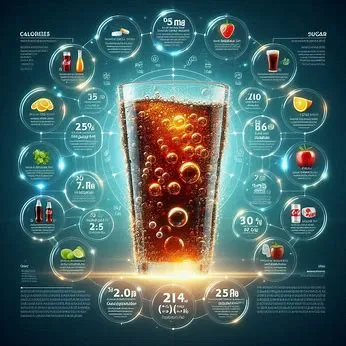
1. A standard 330 ml can of Coca-Cola contains approximately 139 calories, providing quick energy mainly from sugar.
2. The total carbohydrate content is about 35 grams, which includes all forms of sugar present in the drink.
3. Sugars make up the majority of the carbohydrates, roughly 35 grams, contributing to its sweet taste but little nutritional value.
4. Coca-Cola contains 0 grams of protein, meaning it does not contribute to muscle repair or growth.
5. Total fat in the drink is 0 grams, making it fat-free but lacking healthy fats.
6. Saturated fat is also 0 grams, so it does not affect cholesterol levels directly.
7. Trans fat is 0 grams, making it free from harmful hydrogenated fats.
8. Sodium content is low, around 45 milligrams, which contributes minimally to daily sodium intake.
9. Coca-Cola does not contain dietary fiber, meaning it offers no digestive or satiety benefits.
10. It also provides 0 milligrams of protein, 0 milligrams of fat, and 0 grams of fiber, offering virtually no micronutrients.
11. The drink contains caffeine, approximately 32 milligrams, which can stimulate alertness and temporarily increase energy.
12. Coca-Cola has no significant vitamins, such as vitamin C, vitamin A, or B vitamins, meaning it does not support immune or cellular health.
13. It also lacks minerals like calcium, potassium, or magnesium, so it does not contribute to electrolyte balance or bone health.
14. The high sugar content can cause rapid spikes in blood glucose levels, which may be a concern for people managing diabetes.
15. Regular consumption of sugary drinks like Coca-Cola is associated with increased risk of weight gain and obesity due to excess calories.
16. Sugary sodas can also contribute to dental cavities because the sugar feeds bacteria in the mouth that produce acid.
17. Although caffeine may enhance alertness, excessive intake can lead to jitteriness, increased heart rate, or sleep disruption.
18. Coca-Cola is carbonated, and frequent consumption of fizzy drinks may lead to bloating or gas in sensitive individuals.
19. Some research links regular intake of sugar-sweetened beverages to metabolic issues such as insulin resistance over time.
20. Overall, while a 330 ml can of Coca-Cola provides quick energy and temporary stimulation, it offers no protein, fiber, or essential nutrients, and frequent consumption should be limited to maintain overall health.
Recommended: 138+ Interesting March Fun Facts
Coca Coke Dietary Fact Overview
1. A 330 ml can of Coca-Cola contains approximately 139 calories, which comes almost entirely from sugar, providing a quick source of energy that the body can absorb rapidly, but offering little to no nutritional benefit in terms of vitamins, minerals, or protein.
2. The total carbohydrate content in a single can is about 35 grams, all of which are simple sugars, meaning that while it gives an immediate energy boost, it does not supply complex carbohydrates or fiber that help regulate blood sugar and maintain long-term energy levels.
3. With approximately 35 grams of sugar, equivalent to nearly seven teaspoons, regular consumption of a Coca-Cola can contribute significantly to excessive sugar intake, which can increase the risk of weight gain, insulin resistance, and dental problems over time.
4. Coca-Cola contains zero grams of protein, so it provides no support for muscle repair, growth, or satiety, making it an energy source that can quickly leave you feeling hungry again shortly after consumption.
5. The total fat content is 0 grams, meaning the beverage is fat-free, which might seem healthy in terms of heart disease risk, but it also means it lacks beneficial fatty acids such as omega-3s or monounsaturated fats.
6. Saturated fat and trans fat are both 0 grams, so it does not contribute to cholesterol intake, but this also confirms that the drink is essentially an “empty calorie” beverage that provides energy without any healthy fats or essential nutrients.
7. Sodium content in a 330 ml can is approximately 45 milligrams, which is relatively low and contributes minimally to daily sodium intake, so it has little impact on blood pressure for most healthy adults, though it may be a consideration if multiple cans are consumed.
8. Coca-Cola contains no dietary fiber, which means it does not aid digestion, promote feelings of fullness, or help control blood sugar spikes, unlike fiber-rich beverages or whole foods like fruit smoothies or vegetable juices.
9. The caffeine content is around 32 milligrams per can, which can provide mild stimulation, increase alertness, and improve short-term focus, but excessive consumption of caffeine can lead to side effects such as jitteriness, increased heart rate, or sleep disturbances.
10. Coca-Cola lacks essential vitamins such as vitamin C, vitamin A, and the B vitamins, meaning it does not support immune function, cellular repair, energy metabolism, or overall health beyond the calories it provides.
11. It also contains no significant minerals like calcium, potassium, or magnesium, which are important for bone health, nerve function, and electrolyte balance, making it a beverage that provides energy but no essential micronutrients.
12. Frequent consumption of Coca-Cola can lead to excessive calorie intake without contributing meaningful nutrients, increasing the risk of weight gain, obesity, and related metabolic disorders, especially when paired with a diet already high in sugar and processed foods.
13. The high sugar content in Coca-Cola can also contribute to dental cavities, as oral bacteria metabolize sugar and produce acids that erode tooth enamel, which is why frequent soda consumption is a major factor in tooth decay.
14. Consuming Coca-Cola regularly may affect blood sugar levels, particularly in individuals with insulin resistance or diabetes, leading to rapid spikes in glucose followed by energy crashes and potential long-term metabolic stress.
15. Although caffeine in Coca-Cola can improve alertness and temporary energy levels, overconsumption, particularly in combination with other caffeinated beverages, may increase heart rate, cause nervousness, or interfere with normal sleep patterns.
16. The carbonation in Coca-Cola makes it fizzy and refreshing, but it can cause bloating, gas, or mild digestive discomfort in sensitive individuals, especially when consumed quickly or in large quantities.
17. A single can contains no protein, fat, or fiber, making it an entirely empty calorie beverage, which means it should be consumed occasionally rather than relied upon as part of a balanced diet.
18. Because the sugar in Coca-Cola is quickly absorbed into the bloodstream, it provides rapid energy but does not sustain it, often followed by a “sugar crash” that can leave you feeling lethargic or hungry shortly after drinking.
19. While moderate consumption of Coca-Cola can be enjoyed as part of an occasional treat, relying on it frequently can lead to negative health outcomes, including increased risk of obesity, type 2 diabetes, and poor dental health over time.
20. Overall, Coca-Cola is a carbonated, caffeinated, sweetened beverage that provides immediate energy and taste satisfaction, but it is entirely lacking in protein, fiber, healthy fats, vitamins, and minerals, making it a drink that should be consumed mindfully within a balanced diet to avoid adverse health effects.
Recommended: 219+ Junk Food Trivia Questions and Answers
Calories and Sugar in Coca Coke
1. A 330 ml can of Coca-Cola contains approximately 139 calories, which comes almost entirely from sugar, providing a quick source of energy that the body can absorb rapidly, but offering little to no nutritional benefit in terms of vitamins, minerals, or protein.
2. The total carbohydrate content in a single can is about 35 grams, all of which are simple sugars, meaning that while it gives an immediate energy boost, it does not supply complex carbohydrates or fiber that help regulate blood sugar and maintain long-term energy levels.
3. With approximately 35 grams of sugar, equivalent to nearly seven teaspoons, regular consumption of a Coca-Cola can contribute significantly to excessive sugar intake, which can increase the risk of weight gain, insulin resistance, and dental problems over time.
4. Coca-Cola contains zero grams of protein, so it provides no support for muscle repair, growth, or satiety, making it an energy source that can quickly leave you feeling hungry again shortly after consumption.
5. The total fat content is 0 grams, meaning the beverage is fat-free, which might seem healthy in terms of heart disease risk, but it also means it lacks beneficial fatty acids such as omega-3s or monounsaturated fats.
6. Saturated fat and trans fat are both 0 grams, so it does not contribute to cholesterol intake, but this also confirms that the drink is essentially an “empty calorie” beverage that provides energy without any healthy fats or essential nutrients.
7. Sodium content in a 330 ml can is approximately 45 milligrams, which is relatively low and contributes minimally to daily sodium intake, so it has little impact on blood pressure for most healthy adults, though it may be a consideration if multiple cans are consumed.
8. Coca-Cola contains no dietary fiber, which means it does not aid digestion, promote feelings of fullness, or help control blood sugar spikes, unlike fiber-rich beverages or whole foods like fruit smoothies or vegetable juices.
9. The caffeine content is around 32 milligrams per can, which can provide mild stimulation, increase alertness, and improve short-term focus, but excessive consumption of caffeine can lead to side effects such as jitteriness, increased heart rate, or sleep disturbances.
10. Coca-Cola lacks essential vitamins such as vitamin C, vitamin A, and the B vitamins, meaning it does not support immune function, cellular repair, energy metabolism, or overall health beyond the calories it provides.
11. It also contains no significant minerals like calcium, potassium, or magnesium, which are important for bone health, nerve function, and electrolyte balance, making it a beverage that provides energy but no essential micronutrients.
12. Frequent consumption of Coca-Cola can lead to excessive calorie intake without contributing meaningful nutrients, increasing the risk of weight gain, obesity, and related metabolic disorders, especially when paired with a diet already high in sugar and processed foods.
13. The high sugar content in Coca-Cola can also contribute to dental cavities, as oral bacteria metabolize sugar and produce acids that erode tooth enamel, which is why frequent soda consumption is a major factor in tooth decay.
14. Consuming Coca-Cola regularly may affect blood sugar levels, particularly in individuals with insulin resistance or diabetes, leading to rapid spikes in glucose followed by energy crashes and potential long-term metabolic stress.
15. Although caffeine in Coca-Cola can improve alertness and temporary energy levels, overconsumption, particularly in combination with other caffeinated beverages, may increase heart rate, cause nervousness, or interfere with normal sleep patterns.
16. The carbonation in Coca-Cola makes it fizzy and refreshing, but it can cause bloating, gas, or mild digestive discomfort in sensitive individuals, especially when consumed quickly or in large quantities.
17. A single can contains no protein, fat, or fiber, making it an entirely empty calorie beverage, which means it should be consumed occasionally rather than relied upon as part of a balanced diet.
18. Because the sugar in Coca-Cola is quickly absorbed into the bloodstream, it provides rapid energy but does not sustain it, often followed by a “sugar crash” that can leave you feeling lethargic or hungry shortly after drinking.
19. While moderate consumption of Coca-Cola can be enjoyed as part of an occasional treat, relying on it frequently can lead to negative health outcomes, including increased risk of obesity, type 2 diabetes, and poor dental health over time.
20. Overall, Coca-Cola is a carbonated, caffeinated, sweetened beverage that provides immediate energy and taste satisfaction.
Carbohydrates and Caffeine Content in Coca Coke
1. A 330 ml can of Coca-Cola contains approximately 35 grams of carbohydrates, all of which come from sugar, providing rapid energy that the body can absorb almost immediately.
2. The sugars in Coca-Cola are simple carbohydrates, meaning they are broken down quickly in the digestive system and released into the bloodstream as glucose, which can give a temporary boost in energy levels.
3. The carbohydrate content of 35 grams is equivalent to roughly 7 teaspoons of sugar, highlighting how sugary this beverage is compared with other drinks or whole foods.
4. Because these carbohydrates are almost entirely sugar, Coca-Cola does not provide complex carbohydrates or fiber, which are important for longer-lasting energy and blood sugar regulation.
5. Consuming a can of Coca-Cola can rapidly raise blood sugar levels, which may cause an insulin spike, followed by a potential sugar crash that can leave a person feeling tired or hungry soon after.
6. In addition to sugar, Coca-Cola contains approximately 32 milligrams of caffeine per 330 ml can, which acts as a stimulant for the central nervous system, increasing alertness and temporarily reducing fatigue.
7. The caffeine content is moderate compared with coffee or energy drinks, so it provides mild stimulation without typically causing severe side effects for most people when consumed in moderation.
8. Carbohydrates in Coca-Cola provide quick energy, but because there is no protein or fat, this energy is short-lived and does not promote satiety or sustained metabolic benefit.
9. The rapid absorption of sugar from Coca-Cola can be particularly impactful for individuals with insulin sensitivity or diabetes, potentially causing sharp spikes in blood glucose.
10. The combination of carbohydrates and caffeine can create a temporary sense of energy and alertness, which is why many people use soft drinks like Coke as a short-term pick-me-up.
11. Regular intake of sugary drinks like Coca-Cola increases total daily carbohydrate and sugar consumption, which can contribute to weight gain, metabolic issues, and insulin resistance over time.
12. While the caffeine in Coca-Cola can enhance focus and reaction time temporarily, overconsumption may lead to jitteriness, restlessness, or sleep disruption, especially in sensitive individuals.
13. Coca-Cola’s sugar content is high enough that even a single can contributes significantly toward the recommended daily limit for added sugars, which most health guidelines suggest keeping below 25–37 grams per day.
14. The 32 milligrams of caffeine in a can is roughly one-third the caffeine content of a standard cup of coffee, providing mild stimulation without the stronger effects of larger caffeinated beverages.
15. Consuming carbohydrates in liquid form, like those in Coke, can spike blood sugar faster than carbohydrates from solid foods, since liquid sugar is absorbed more rapidly into the bloodstream.
16. The combination of sugar and caffeine in Coca-Cola is one reason it is commonly used as an energy boost, but it does not replace balanced nutrition from foods that provide complex carbs, protein, and fiber.
17. For people sensitive to caffeine, even the 32 milligrams in a can may cause slight increases in heart rate or alertness, while in regular consumers it may become a mild habitual stimulant.
18. Drinking Coca-Cola with meals increases total carbohydrate intake without providing other nutrients, which can affect overall dietary balance if consumed frequently.
19. The high sugar content contributes to energy spikes and crashes, while the caffeine can mask fatigue temporarily, creating a cycle of dependence for short-term energy boosts.
20. Overall, the 35 grams of carbohydrates and 32 milligrams of caffeine in a 330 ml can of Coca-Cola make it a highly sugary, mildly stimulating beverage that provides quick energy and alertness but no protein, fiber, or other essential nutrients, making it a treat best consumed occasionally.
Vitamins and Minerals in Coca Coke
1. A 330 ml can of Coca-Cola contains approximately 35 grams of carbohydrates, all of which come from sugar, providing rapid energy that the body can absorb almost immediately.
2. The sugars in Coca-Cola are simple carbohydrates, meaning they are broken down quickly in the digestive system and released into the bloodstream as glucose, which can give a temporary boost in energy levels.
3. The carbohydrate content of 35 grams is equivalent to roughly 7 teaspoons of sugar, highlighting how sugary this beverage is compared with other drinks or whole foods.
4. Because these carbohydrates are almost entirely sugar, Coca-Cola does not provide complex carbohydrates or fiber, which are important for longer-lasting energy and blood sugar regulation.
5. Consuming a can of Coca-Cola can rapidly raise blood sugar levels, which may cause an insulin spike, followed by a potential sugar crash that can leave a person feeling tired or hungry soon after.
6. In addition to sugar, Coca-Cola contains approximately 32 milligrams of caffeine per 330 ml can, which acts as a stimulant for the central nervous system, increasing alertness and temporarily reducing fatigue.
7. The caffeine content is moderate compared with coffee or energy drinks, so it provides mild stimulation without typically causing severe side effects for most people when consumed in moderation.
8. Carbohydrates in Coca-Cola provide quick energy, but because there is no protein or fat, this energy is short-lived and does not promote satiety or sustained metabolic benefit.
9. The rapid absorption of sugar from Coca-Cola can be particularly impactful for individuals with insulin sensitivity or diabetes, potentially causing sharp spikes in blood glucose.
10. The combination of carbohydrates and caffeine can create a temporary sense of energy and alertness, which is why many people use soft drinks like Coke as a short-term pick-me-up.
11. Regular intake of sugary drinks like Coca-Cola increases total daily carbohydrate and sugar consumption, which can contribute to weight gain, metabolic issues, and insulin resistance over time.
12. While the caffeine in Coca-Cola can enhance focus and reaction time temporarily, overconsumption may lead to jitteriness, restlessness, or sleep disruption, especially in sensitive individuals.
13. Coca-Cola’s sugar content is high enough that even a single can contributes significantly toward the recommended daily limit for added sugars, which most health guidelines suggest keeping below 25–37 grams per day.
14. The 32 milligrams of caffeine in a can is roughly one-third the caffeine content of a standard cup of coffee, providing mild stimulation without the stronger effects of larger caffeinated beverages.
15. Consuming carbohydrates in liquid form, like those in Coke, can spike blood sugar faster than carbohydrates from solid foods, since liquid sugar is absorbed more rapidly into the bloodstream.
16. The combination of sugar and caffeine in Coca-Cola is one reason it is commonly used as an energy boost, but it does not replace balanced nutrition from foods that provide complex carbs, protein, and fiber.
17. For people sensitive to caffeine, even the 32 milligrams in a can may cause slight increases in heart rate or alertness, while in regular consumers it may become a mild habitual stimulant.
18. Drinking Coca-Cola with meals increases total carbohydrate intake without providing other nutrients, which can affect overall dietary balance if consumed frequently.
19. The high sugar content contributes to energy spikes and crashes, while the caffeine can mask fatigue temporarily, creating a cycle of dependence for short-term energy boosts.
20. Overall, the 35 grams of carbohydrates and 32 milligrams of caffeine in a 330 ml can of Coca-Cola make it a highly sugary, mildly stimulating beverage that provides quick energy and alertness but no protein, fiber, or other essential nutrients, making it a treat best consumed occasionally.
Health Impact of Drinking Coca Coke
1. Drinking Coca-Cola provides a rapid source of energy due to its high sugar content, which can temporarily boost alertness and physical energy but does not contribute to long-term nutritional needs.
2. The high sugar content, approximately 35 grams per 330 ml can, can lead to blood sugar spikes, which may cause insulin surges and subsequent energy crashes that leave you feeling tired shortly after consumption.
3. Regular intake of Coca-Cola can contribute to weight gain, as the calories from liquid sugar are easily consumed in addition to regular meals, often without producing a feeling of fullness.
4. Frequent consumption increases the risk of developing obesity and metabolic syndrome, conditions linked to heart disease, diabetes, and other chronic illnesses.
5. The sugar in Coca-Cola feeds oral bacteria that produce acid, which erodes tooth enamel over time and significantly increases the risk of cavities and dental decay.
6. The beverage contains 32 milligrams of caffeine per can, which may increase alertness and concentration in the short term but can cause jitteriness, nervousness, or sleep disturbances if consumed excessively.
7. Excessive caffeine intake from regular consumption may also raise heart rate and blood pressure, particularly in sensitive individuals or those with cardiovascular concerns.
8. Coca-Cola’s high sugar content can worsen insulin resistance over time, making it a concern for people at risk of type 2 diabetes or those managing blood glucose levels.
9. Consuming carbonated beverages like Coke can cause bloating, gas, or mild digestive discomfort in some individuals, especially if consumed quickly or in large quantities.
10. Frequent consumption may increase the risk of fatty liver disease due to excess sugar intake, particularly fructose, which can accumulate in the liver when consumed in high amounts.
11. Coca-Cola contains no dietary fiber, protein, healthy fats, or essential vitamins and minerals, making it an “empty calorie” beverage that does not contribute to overall nutritional health.
12. Regular consumption may contribute to cardiovascular issues over time, as high sugar intake is linked to increased triglycerides, obesity, and higher risk of heart disease.
13. Sugary drinks like Coke may also contribute to cognitive effects, such as energy spikes followed by crashes, which can affect focus, mood, and productivity.
14. For children and adolescents, regular consumption may affect dental health, weight, and long-term metabolic health more significantly due to their smaller body size and developing systems.
15. Diet or low-calorie versions reduce sugar intake but may still impact health through artificial sweeteners, which have their own potential effects on metabolism and gut health.
16. Occasional consumption of Coca-Cola is generally safe for healthy individuals, but habitual daily intake increases the likelihood of negative health outcomes over time.
17. Combining Coca-Cola with other sugary foods or snacks compounds its health impact, further increasing calorie intake, sugar spikes, and potential for weight gain.
18. Drinking Coke instead of nutrient-rich beverages, such as water, milk, or 100% fruit juice, displaces important vitamins, minerals, and hydration benefits from the diet.
19. Even moderate consumption can create a cycle of dependence due to its combination of sugar and caffeine, leading to habitual consumption for energy or alertness.
20. Overall, while Coca-Cola can provide temporary enjoyment and a short-term energy boost, its high sugar content, empty calories, and caffeine mean that regular consumption poses risks for obesity, diabetes, dental problems, cardiovascular issues, and metabolic health, making moderation essential.
Healthier alternatives to Coca Coke
1. Drinking Coca-Cola provides a rapid source of energy due to its high sugar content, which can temporarily boost alertness and physical energy but does not contribute to long-term nutritional needs.
2. The high sugar content, approximately 35 grams per 330 ml can, can lead to blood sugar spikes, which may cause insulin surges and subsequent energy crashes that leave you feeling tired shortly after consumption.
3. Regular intake of Coca-Cola can contribute to weight gain, as the calories from liquid sugar are easily consumed in addition to regular meals, often without producing a feeling of fullness.
4. Frequent consumption increases the risk of developing obesity and metabolic syndrome, conditions linked to heart disease, diabetes, and other chronic illnesses.
5. The sugar in Coca-Cola feeds oral bacteria that produce acid, which erodes tooth enamel over time and significantly increases the risk of cavities and dental decay.
6. The beverage contains 32 milligrams of caffeine per can, which may increase alertness and concentration in the short term but can cause jitteriness, nervousness, or sleep disturbances if consumed excessively.
7. Excessive caffeine intake from regular consumption may also raise heart rate and blood pressure, particularly in sensitive individuals or those with cardiovascular concerns.
8. Coca-Cola’s high sugar content can worsen insulin resistance over time, making it a concern for people at risk of type 2 diabetes or those managing blood glucose levels.
9. Consuming carbonated beverages like Coke can cause bloating, gas, or mild digestive discomfort in some individuals, especially if consumed quickly or in large quantities.
10. Frequent consumption may increase the risk of fatty liver disease due to excess sugar intake, particularly fructose, which can accumulate in the liver when consumed in high amounts.
11. Coca-Cola contains no dietary fiber, protein, healthy fats, or essential vitamins and minerals, making it an “empty calorie” beverage that does not contribute to overall nutritional health.
12. Regular consumption may contribute to cardiovascular issues over time, as high sugar intake is linked to increased triglycerides, obesity, and higher risk of heart disease.
13. Sugary drinks like Coke may also contribute to cognitive effects, such as energy spikes followed by crashes, which can affect focus, mood, and productivity.
14. For children and adolescents, regular consumption may affect dental health, weight, and long-term metabolic health more significantly due to their smaller body size and developing systems.
15. Diet or low-calorie versions reduce sugar intake but may still impact health through artificial sweeteners, which have their own potential effects on metabolism and gut health.
16. Occasional consumption of Coca-Cola is generally safe for healthy individuals, but habitual daily intake increases the likelihood of negative health outcomes over time.
17. Combining Coca-Cola with other sugary foods or snacks compounds its health impact, further increasing calorie intake, sugar spikes, and potential for weight gain.
18. Drinking Coke instead of nutrient-rich beverages, such as water, milk, or 100% fruit juice, displaces important vitamins, minerals, and hydration benefits from the diet.
19. Even moderate consumption can create a cycle of dependence due to its combination of sugar and caffeine, leading to habitual consumption for energy or alertness.
20. Overall, while Coca-Cola can provide temporary enjoyment and a short-term energy boost, its high sugar content, empty calories, and caffeine mean that regular consumption poses risks for obesity, diabetes, dental problems, cardiovascular issues, and metabolic health, making moderation essential.
Final Thoughts
Coca-Cola can be enjoyed as an occasional treat, but being aware of its nutrition facts helps you make more mindful choices in your daily diet.
Understanding what you drink is a simple step toward better balance and overall well-being.