
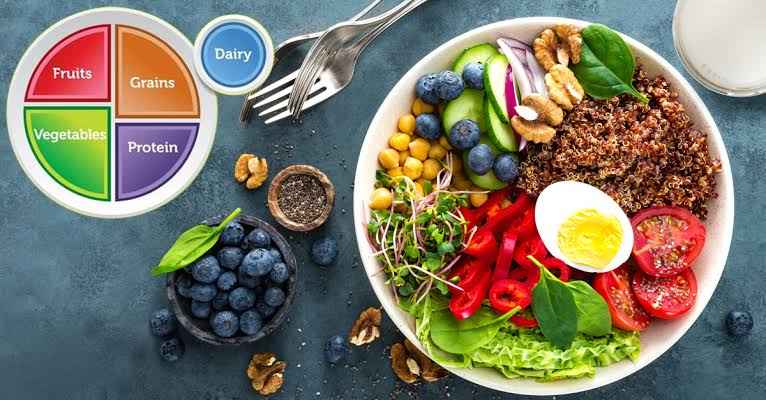
Eating nutritious foods is an important part of maintaining a healthy lifestyle, and there’s always something new to learn about the foods that fuel our bodies. From colorful fruits and vegetables to whole grains, lean proteins, and nutrient-rich superfoods, healthy eating is filled with fascinating facts and surprising discoveries. Exploring healthy food trivia is a fun way to test your knowledge while learning more about nutrition and wellness.
This collection of healthy food trivia questions and answers covers a wide variety of topics, including vitamins, minerals, balanced diets, nutritious ingredients, food groups, healthy eating habits, and interesting nutrition facts. With a mix of easy, medium, and challenging questions, there’s something for students, families, teachers, fitness enthusiasts, and trivia lovers alike.
Get ready to challenge yourself, discover amazing nutrition facts, and expand your knowledge of healthy eating. Perfect for classrooms, wellness programs, family activities, quiz nights, or anyone interested in living a healthier lifestyle, these healthy food trivia questions and answers provide an entertaining and educational experience for everyone.
Healthy Food Trivia Questions and Answer
1. Which nutrient is the body’s primary source of energy?
A) Protein
B) Fat
C) Carbohydrates
D) Vitamins
Answer: C) Carbohydrates
Explanation: Carbohydrates are the body’s main energy source. They are broken down into glucose, which fuels the brain, muscles, and other organs.
2. Which fruit is especially well known for its high vitamin C content?
A) Banana
B) Orange
C) Grapes
D) Pear
Answer: B) Orange
Explanation: Oranges are rich in vitamin C, which supports the immune system, helps the body absorb iron, and promotes healthy skin.
3. Which leafy green is an excellent source of vitamin K?
A) Iceberg lettuce
B) Spinach
C) Cabbage
D) Celery
Answer: B) Spinach
Explanation: Spinach is packed with vitamin K, which is essential for blood clotting and maintaining strong bones.
4. Which type of fat is generally considered heart-healthy?
A) Trans fat
B) Saturated fat
C) Unsaturated fat
D) Artificial fat
Answer: C) Unsaturated fat
Explanation: Unsaturated fats, found in foods like avocados, nuts, seeds, and olive oil, can help support heart health when eaten in moderation.
5. Which whole grain is naturally gluten-free?
A) Wheat
B) Rye
C) Quinoa
D) Barley
Answer: C) Quinoa
Explanation: Quinoa is a gluten-free whole grain that contains fiber, vitamins, minerals, and all nine essential amino acids.
6. Which vegetable is famous for being rich in beta-carotene?
A) Carrot
B) Cucumber
C) Onion
D) Mushroom
Answer: A) Carrot
Explanation: Carrots are high in beta-carotene, which the body converts into vitamin A to support healthy vision and immunity.
7. Which nutrient helps build and repair body tissues?
A) Sugar
B) Protein
C) Fiber
D) Water
Answer: B) Protein
Explanation: Protein is essential for building muscles, repairing tissues, and producing enzymes and hormones.
8. Which fruit contains healthy fats that support heart health?
A) Apple
B) Mango
C) Avocado
D) Pineapple
Answer: C) Avocado
Explanation: Avocados are rich in monounsaturated fats, fiber, potassium, and several vitamins that support overall health.
9. Which dairy product is often recommended for its calcium content?
A) Yogurt
B) Butter
C) Cream
D) Ice cream
Answer: A) Yogurt
Explanation: Yogurt provides calcium, protein, and beneficial probiotics that can help support bone and digestive health.
10. Which mineral is especially important for healthy bones and teeth?
A) Iron
B) Calcium
C) Sodium
D) Zinc
Answer: B) Calcium
Explanation: Calcium plays a vital role in maintaining strong bones and teeth while also supporting muscle and nerve function.
11. Which food is an excellent source of omega-3 fatty acids?
A) Salmon
B) Bacon
C) Sausage
D) Ham
Answer: A) Salmon
Explanation: Salmon is rich in omega-3 fatty acids, which help support heart, brain, and eye health.
12. Which vitamin is mainly produced when your skin is exposed to sunlight?
A) Vitamin A
B) Vitamin C
C) Vitamin D
D) Vitamin E
Answer: C) Vitamin D
Explanation: Vitamin D helps the body absorb calcium and supports healthy bones, muscles, and the immune system.
13. Which bean is high in both protein and fiber?
A) Jelly bean
B) Kidney bean
C) Coffee bean
D) Vanilla bean
Answer: B) Kidney bean
Explanation: Kidney beans provide plant-based protein, fiber, iron, and other nutrients that help keep you full and energized.
14. Which colorful vegetable is rich in vitamin C and antioxidants?
A) Bell pepper
B) Potato
C) Eggplant
D) Turnip
Answer: A) Bell pepper
Explanation: Bell peppers, especially red ones, are loaded with vitamin C and antioxidants that help protect cells from damage.
15. Which beverage is the healthiest choice for staying hydrated?
A) Water
B) Soda
C) Energy drink
D) Sweetened tea
Answer: A) Water
Explanation: Water keeps the body hydrated, regulates temperature, transports nutrients, and supports nearly every bodily function.
16. Which nut is a good source of vitamin E?
A) Almond
B) Peanut candy
C) Chestnut candy
D) Coconut candy
Answer: A) Almond
Explanation: Almonds are rich in vitamin E, healthy fats, and antioxidants that help protect cells and support skin health.
17. Which fruit is naturally high in potassium?
A) Banana
B) Cherry
C) Plum
D) Peach
Answer: A) Banana
Explanation: Bananas are well known for their potassium content, which helps regulate blood pressure and supports proper muscle function.
18. Which food group should make up a large portion of a balanced diet?
A) Fruits and vegetables
B) Candy
C) Fried snacks
D) Sugary desserts
Answer: A) Fruits and vegetables
Explanation: Fruits and vegetables provide vitamins, minerals, fiber, and antioxidants that support overall health and reduce the risk of chronic diseases.
19. Which nutrient helps keep your digestive system healthy?
A) Fiber
B) Cholesterol
C) Sugar
D) Saturated fat
Answer: A) Fiber
Explanation: Fiber promotes healthy digestion, supports beneficial gut bacteria, and helps maintain steady blood sugar and cholesterol levels.
20. Which breakfast choice is generally the healthiest?
A) Oatmeal topped with fruit
B) Sugary doughnuts
C) Candy bar
D) Potato chips
Answer: A) Oatmeal topped with fruit
Explanation: Oatmeal provides whole-grain fiber, while fruit adds vitamins and natural sweetness, making it a nutritious and filling way to start the day.
Read Also:165+ Junk Food Puns
Healthy Food Trivia Questions and Answers for Students

1. Which nutrient in fatty fish like salmon is most strongly linked to heart and brain health?
A) Vitamin C
B) Omega-3 fatty acids
C) Iron
D) Calcium
Answer: B) Omega-3 fatty acids
Explanation: Omega-3 fatty acids, particularly EPA and DHA, help support heart health, brain function, and may reduce inflammation. Fatty fish such as salmon, sardines, and mackerel are excellent sources.
2. What makes blueberries a popular healthy food?
A) High protein content
B) Rich in antioxidants
C) Zero sugar
D) High saturated fat
Answer: B) Rich in antioxidants
Explanation: Blueberries contain anthocyanins, powerful antioxidants that help protect cells from damage and may support heart and brain health.
3. Which leafy green is especially high in vitamin K?
A) Carrots
B) Kale
C) Potatoes
D) Corn
Answer: B) Kale
Explanation: Kale is packed with vitamin K, which plays an important role in blood clotting and maintaining strong bones.
4. Avocados are especially valued because they are rich in:
A) Saturated fat
B) Monounsaturated fat and fiber
C) Cholesterol
D) Refined carbohydrates
Answer: B) Monounsaturated fat and fiber
Explanation: Avocados provide heart-healthy fats, fiber, potassium, and several vitamins that make them a nutritious addition to many meals.
5. Which grain is considered a complete plant protein?
A) White rice
B) Quinoa
C) Oats
D) Corn
Answer: B) Quinoa
Explanation: Quinoa contains all nine essential amino acids, making it one of the few complete plant-based protein sources.
6. Why are nuts considered a healthy snack when eaten in moderation?
A) They contain no calories
B) They provide healthy fats, protein, and fiber
C) They are rich in trans fats
D) They have no fat
Answer: B) They provide healthy fats, protein, and fiber
Explanation: Nuts like almonds and walnuts contain unsaturated fats, fiber, protein, vitamin E, and minerals that support heart health.
7. Which vitamin is abundant in oranges and other citrus fruits?
A) Vitamin D
B) Vitamin C
C) Vitamin B12
D) Vitamin K
Answer: B) Vitamin C
Explanation: Vitamin C supports the immune system, helps produce collagen, and acts as an antioxidant to protect body cells.
8. Fermented foods such as yogurt and kimchi are best known for supporting:
A) Eye health
B) Gut health
C) Bone growth
D) Muscle strength
Answer: B) Gut health
Explanation: Fermented foods often contain probiotics, beneficial bacteria that help maintain a healthy digestive system.
9. Which mineral helps carry oxygen through the bloodstream?
A) Calcium
B) Iron
C) Sodium
D) Zinc
Answer: B) Iron
Explanation: Iron is needed to produce hemoglobin, the protein in red blood cells that transports oxygen throughout the body.
10. Why are whole grains healthier than refined grains?
A) They contain more sugar
B) They keep the bran and germ, providing more nutrients and fiber
C) They have no carbohydrates
D) They contain more saturated fat
Answer: B) They keep the bran and germ, providing more nutrients and fiber
Explanation: Whole grains retain valuable fiber, vitamins, and minerals that are often removed during refining.
11. Which seeds are among the best plant sources of omega-3 fatty acids?
A) Sesame seeds
B) Flaxseeds
C) Sunflower seeds
D) Pumpkin seeds
Answer: B) Flaxseeds
Explanation: Flaxseeds are rich in alpha-linolenic acid (ALA), a plant-based omega-3 fat that supports overall health.
12. Broccoli belongs to which healthy vegetable family?
A) Root vegetables
B) Cruciferous vegetables
C) Nightshades
D) Legumes
Answer: B) Cruciferous vegetables
Explanation: Broccoli is a cruciferous vegetable containing beneficial compounds such as sulforaphane, which have been widely studied for their health benefits.
13. Which fruit is especially known for its potassium content?
A) Banana
B) Apple
C) Pear
D) Grapes
Answer: A) Banana
Explanation: Bananas are rich in potassium, an important mineral that supports healthy muscles, nerves, and blood pressure.
14. Beans and lentils are excellent sources of:
A) Refined sugar
B) Plant protein and fiber
C) Saturated fat
D) Cholesterol
Answer: B) Plant protein and fiber
Explanation: Legumes provide protein, fiber, iron, and complex carbohydrates that help keep you full and support heart health.
15. Why is extra-virgin olive oil a key part of the Mediterranean diet?
A) It contains trans fats
B) It is rich in healthy monounsaturated fats and antioxidants
C) It has no calories
D) It contains large amounts of sugar
Answer: B) It is rich in healthy monounsaturated fats and antioxidants
Explanation: Olive oil contains oleic acid and natural antioxidants that support heart health and may reduce inflammation.
16. Which foods are the best natural sources of vitamin B12?
A) Fruits
B) Animal products such as meat, fish, eggs, and dairy
C) Leafy greens
D) Whole grains
Answer: B) Animal products such as meat, fish, eggs, and dairy
Explanation: Vitamin B12 is naturally found mainly in animal-based foods and is essential for healthy nerves and red blood cells.
17. Dark chocolate may offer health benefits because it contains:
A) Trans fats
B) Flavanols and antioxidants
C) Large amounts of sodium
D) Zero calories
Answer: B) Flavanols and antioxidants
Explanation: Dark chocolate with a high cocoa content contains plant compounds that may support healthy blood vessels and heart function when enjoyed in moderation.
18. What helps your body absorb vitamins A, D, E, and K from vegetables?
A) Sugar
B) Healthy fats
C) Salt
D) Carbonated drinks
Answer: B) Healthy fats
Explanation: These fat-soluble vitamins are absorbed more effectively when vegetables are eaten with healthy fats such as olive oil, avocado, or nuts.
19. Which beverage is generally considered a healthy everyday choice besides water?
A) Sugary soda
B) Unsweetened green tea
C) Energy drinks
D) Sweetened fruit punch
Answer: B) Unsweetened green tea
Explanation: Green tea contains antioxidants called catechins, which may support heart health and overall wellness when consumed without added sugar.
20. According to healthy eating guidelines, what should a balanced plate include?
A) Mostly fried foods
B) Mostly sugary snacks
C) Vegetables and fruits, whole grains, lean protein, and healthy fats
D) Only protein foods
Answer: C) Vegetables and fruits, whole grains, lean protein, and healthy fats
Explanation: A balanced plate combines nutrient-rich foods from several food groups, providing vitamins, minerals, fiber, protein, and healthy fats for long-term health.
Read Also:293+ Delicious Food Delivery Captions for Your Insta Cravings
Healthy Food Trivia Questions and Answers for Kids
1. Which healthy food is especially rich in lycopene, an antioxidant linked to heart health?
A) Cucumbers
B) Tomatoes
C) Celery
D) Lettuce
Answer: B) Tomatoes
Explanation: Tomatoes are one of the best sources of lycopene, a powerful antioxidant that may help support heart health and protect cells from damage.
2. Which whole grain is commonly used to make traditional oatmeal?
A) Barley
B) Oats
C) Millet
D) Rice
Answer: B) Oats
Explanation: Oats are naturally high in soluble fiber, particularly beta-glucan, which can help lower cholesterol levels.
3. Which vegetable is well known for containing sulforaphane, a beneficial plant compound?
A) Broccoli
B) Eggplant
C) Corn
D) Zucchini
Answer: A) Broccoli
Explanation: Broccoli contains sulforaphane, a natural compound studied for its antioxidant and protective health benefits.
4. Which fruit is an excellent source of healthy monounsaturated fats?
A) Banana
B) Apple
C) Avocado
D) Peach
Answer: C) Avocado
Explanation: Avocados provide heart-healthy monounsaturated fats along with fiber, potassium, and vitamins.
5. Which bean is commonly used to make black bean burgers?
A) Kidney beans
B) Black beans
C) Navy beans
D) Lima beans
Answer: B) Black beans
Explanation: Black beans are packed with plant protein, fiber, and minerals, making them a nutritious meat alternative.
6. Which vitamin is carrots especially known for providing?
A) Vitamin A
B) Vitamin B6
C) Vitamin D
D) Vitamin K
Answer: A) Vitamin A
Explanation: Carrots are rich in beta-carotene, which the body converts into vitamin A for healthy vision and immunity.
7. Which dairy product is often recommended because it contains probiotics?
A) Butter
B) Yogurt
C) Cream cheese
D) Ice cream
Answer: B) Yogurt
Explanation: Yogurt with live cultures provides beneficial probiotics that can support digestive health.
8. Which nut is especially rich in selenium?
A) Almonds
B) Brazil nuts
C) Cashews
D) Pecans
Answer: B) Brazil nuts
Explanation: Brazil nuts are one of the richest natural sources of selenium, an important mineral for immune and thyroid function.
9. Which leafy vegetable is commonly used in Caesar salad?
A) Romaine lettuce
B) Cabbage
C) Beet greens
D) Swiss chard
Answer: A) Romaine lettuce
Explanation: Romaine lettuce is crisp, nutrient-rich, and commonly used as the base for Caesar salad.
10. Which fruit is naturally high in vitamin K?
A) Kiwi
B) Grapefruit
C) Pear
D) Cherry
Answer: A) Kiwi
Explanation: Kiwi provides vitamin K along with vitamin C, fiber, and antioxidants.
11. Which healthy snack is made by drying grapes?
A) Dates
B) Raisins
C) Prunes
D) Figs
Answer: B) Raisins
Explanation: Raisins are dried grapes that contain fiber, potassium, and natural sugars for quick energy.
12. Which fish is often recommended for its high omega-3 content?
A) Salmon
B) Catfish
C) Tilapia
D) Haddock
Answer: A) Salmon
Explanation: Salmon is rich in omega-3 fatty acids, which support heart, eye, and brain health.
13. Which fruit contains the enzyme bromelain?
A) Mango
B) Pineapple
C) Orange
D) Plum
Answer: B) Pineapple
Explanation: Pineapple contains bromelain, an enzyme that helps break down proteins during digestion.
14. Which vegetable is the main ingredient in traditional sauerkraut?
A) Cabbage
B) Spinach
C) Kale
D) Celery
Answer: A) Cabbage
Explanation: Sauerkraut is made from fermented cabbage and provides beneficial probiotics when unpasteurized.
15. Which healthy fat is commonly found in olives?
A) Saturated fat
B) Monounsaturated fat
C) Trans fat
D) Cholesterol
Answer: B) Monounsaturated fat
Explanation: Olives are rich in monounsaturated fats, which are associated with better heart health.
16. Which seed is famous for forming a gel when soaked in water?
A) Sesame seeds
B) Chia seeds
C) Pumpkin seeds
D) Hemp seeds
Answer: B) Chia seeds
Explanation: Chia seeds absorb water and form a gel-like texture while providing fiber, protein, and omega-3 fats.
17. Which citrus fruit is pink on the inside and rich in vitamin C?
A) Lemon
B) Lime
C) Grapefruit
D) Mandarin
Answer: C) Grapefruit
Explanation: Grapefruit is an excellent source of vitamin C and contains antioxidants that support overall health.
18. Which vegetable is commonly used to make guacamole?
A) Cucumber
B) Avocado
C) Spinach
D) Peas
Answer: B) Avocado
Explanation: Guacamole is primarily made from mashed avocados mixed with ingredients like lime juice, onions, and tomatoes.
19. Which food is considered a complete plant-based protein?
A) Brown rice
B) Quinoa
C) Sweet potato
D) Oats
Answer: B) Quinoa
Explanation: Quinoa contains all nine essential amino acids, making it a complete plant protein.
20. Which colorful vegetable is especially rich in vitamin C?
A) Bell peppers
B) Potatoes
C) Mushrooms
D) Eggplant
Answer: A) Bell peppers
Explanation: Red bell peppers provide even more vitamin C than many citrus fruits, along with antioxidants that support immune health.
Read Also:200+ Healthy Evening Snack Captions
Healthy Eating Quiz for Students

1. Question: Popeye’s love for spinach made him a veggie-eating icon, but what nutrient in spinach gives those muscles a boost? Answer: Iron Fun Fact: Spinach is packed with iron, but you’d need to eat a LOT to get Popeye-level strength. Pair it with vitamin C for better absorption — oranges and spinach, anyone?
2. Question: Quinoa was called the “mother of all grains” by the Incas. What makes this superfood a complete protein? Answer: It contains all nine essential amino acids. Fun Fact: Quinoa’s not even a grain — it’s a seed! Sneaky, right? Perfect for your inner plant-based superhero.
3. Question: Kale’s the darling of health nuts, but what vitamin in kale helps keep your peepers in tip-top shape? Answer: Vitamin A Fun Fact: Kale’s got more vitamin A than carrots per serving. Bet you didn’t see that coming! adjusts glasses nerdily
4. Question: Avocados are basically the cool kids of healthy fats. What type of fat makes them so heart-friendly? Answer: Monounsaturated fat Fun Fact: Avocados are technically berries. Next time you’re smashing one on toast, you’re basically eating fruit salad. Mind blown!
5. Question: Blueberries are tiny antioxidant powerhouses, but which compound gives them their vibrant blue hue? Answer: Anthocyanins Fun Fact: Anthocyanins are like nature’s food coloring, and they might even help your brain stay sharp. Eat blueberries, ace your next trivia night!
6. Question: Broccoli’s like the Clark Kent of veggies — mild-mannered but secretly super. What cancer-fighting compound does it contain? Answer: Sulforaphane Fun Fact: Sulforaphane sounds like a sci-fi villain, but it’s actually a hero that activates when you chop or chew broccoli. Rawr!
7. Question: Chia seeds were a staple for Aztec warriors, but what makes them swell up like tiny water balloons? Answer: Soluble fiber Fun Fact: Chia seeds can absorb up to 12 times their weight in water. Talk about a hydration station for your smoothies!
8. Question: Sweet potatoes are the candy of the veggie world, but what nutrient makes them a vision-boosting superstar? Answer: Beta-carotene Fun Fact: Your body turns beta-carotene into vitamin A, so sweet potatoes are basically glasses for your insides. Eat up, four-eyes!
9. Question: Salmon’s the MVP of omega-3s, but what’s the main omega-3 fatty acid that keeps your heart ticking happily? Answer: DHA (Docosahexaenoic acid) Fun Fact: DHA is also brain food — so eating salmon might make you feel like you’re in a Good Will Hunting montage. “How you like them fish sticks?”
10. Question: Lentils are the unsung heroes of plant-based protein. Which mineral in lentils helps keep your blood pumping? Answer: Iron Fun Fact: Lentils come in colors like red, green, and black — it’s like the legume rainbow. Taste the healthy spectrum!
11. Question: Almonds are a crunchy snack with a secret weapon. What vitamin in almonds acts like a shield for your skin? Answer: Vitamin E Fun Fact: Vitamin E is like sunscreen for your cells. Almonds: protecting you from the inside out since forever.
12. Question: Greek yogurt’s thick, creamy texture makes it a breakfast champ, but what makes it so protein-packed compared to regular yogurt? Answer: It’s strained to remove whey. Fun Fact: That straining process makes Greek yogurt so thick you could probably sculpt it into a Parthenon. Opa!
13. Question: Turmeric’s golden glow is all over wellness blogs, but what compound gives it anti-inflammatory superpowers? Answer: Curcumin Fun Fact: Curcumin’s effects are boosted by black pepper — so sprinkle some pepper on your turmeric latte for maximum health cred.
14. Question: Eggs are like nature’s multivitamin, but which nutrient in the yolk helps with brain health? Answer: Choline Fun Fact: Choline’s so important for brain function that it’s like the scriptwriter for your memory’s blockbuster movie.
15. Question: Beets are like the earthy gems of the veggie world. What compound gives them their rich red color and heart-healthy vibes? Answer: Betalains Fun Fact: Beets might turn your pee pink, but don’t panic — it’s just betalains saying, “Hey, I was here!”
16. Question: Oats are the breakfast of champions, but what type of fiber in them helps lower cholesterol? Answer: Beta-glucan Fun Fact: Beta-glucan is like a sponge for bad cholesterol. Oats are basically your heart’s personal cleaning crew.
17. Question: Flaxseeds are tiny, but they pack a punch. What nutrient makes them a go-to for plant-based omega-3s? Answer: ALA (Alpha-linolenic acid) Fun Fact: Flaxseeds are like the vegan cousin of fish oil. Grind them up for your smoothie to unlock their full potential!
18. Question: Spinach, kale, and chard walk into a salad bar — what nutrient group do these leafy greens share that strengthens your bones? Answer: Vitamin K Fun Fact: Vitamin K is like the construction worker for your skeleton, helping calcium stick where it belongs. Leafy greens, assemble!
19. Question: Apples are the ultimate grab-and-go snack, but what type of fiber in them keeps your gut happy? Answer: Pectin Fun Fact: Pectin’s like a party planner for your gut bacteria — it keeps the good vibes (and digestion) flowing.
20. Question: Dark chocolate’s the treat that sneaks in health benefits. What antioxidant group makes it a guilt-free indulgence? Answer: Flavonoids Fun Fact: Flavonoids are also in red wine, so dark chocolate and a glass of vino might just be the classiest way to stay healthy. Cheers!
Healthy Food Trivia Questions and Answers for Adults
1. Question: Forget the debate over whether it’s a fruit or a vegetable. This green powerhouse is famous for its healthy fat content (mostly oleic acid, just like in olive oil) and is the main ingredient in everyone’s favorite green dip. What is this creamy, single-seeded food? Answer: Avocado Fun Fact: The word ‘avocado’ actually comes from the Aztec word āhuacatl, which meant ‘testicle’—a reference to its shape. Awkward!
2. Question: This humble beverage is considered the gold standard for hydration, making up about 60% of our body weight. It’s essential for virtually every bodily function, from temperature regulation to nutrient transport. What liquid MVP are we talking about? Answer: Water Fun Fact: The common advice to drink eight 8-ounce glasses of water a day (the 8×8 rule) is a super easy guideline, but remember, food provides about 20% of your daily water intake!
3. Question: Move over, Vitamin C! This citrus fruit is so packed with a specific, powerful antioxidant (called hesperidin) that it’s often associated with heart health and reducing blood pressure. Which classic breakfast fruit is this? Answer: Orange Fun Fact: Brazil is the world’s largest producer of oranges, making them the real juice overlords of the planet.
4. Question: This oily, tiny fish is one of the very best dietary sources of Vitamin D (the sunshine vitamin) and calcium when eaten with the soft bones. They are often served tightly packed in a can. What are these nutrient-dense little guys? Answer: Sardines Fun Fact: Sardines are also low on the food chain, meaning they have significantly lower levels of mercury compared to larger fish like tuna. Snack responsibly!
5. Question: When we talk about protein sources, we focus on amino acids. How many of these amino acids are considered “essential,” meaning our body cannot make them and we must get them from our diet? Is it 5, 9, or 15? Answer: 9 Fun Fact: Foods like quinoa, soy, and animal proteins are called “complete proteins” because they contain all nine of these essential amino acids.
6. Question: This spice, derived from the inner bark of a tropical tree, is famous for its distinct flavor and is currently being studied for its potential to help lower blood sugar levels in some people. What sweet and fragrant spice is often used in oatmeal and coffee? Answer: Cinnamon Fun Fact: There are two main types: Ceylon (the “true” cinnamon) and Cassia (the more common, affordable kind). Both are delicious!
7. Question: Often called a “functional food,” this product is made from fermenting oats or other grains and contains beta-glucan, a soluble fiber known for actively lowering bad (LDL) cholesterol. What is this hearty breakfast grain? Answer: Oats (or Oatmeal) Fun Fact: That sticky, slightly slimy feeling of cooked oatmeal? That’s the magical beta-glucan at work, forming a gel that grabs cholesterol in your gut!
8. Question: If you want a source of healthy fats and a satisfying crunch, these little gems are your friend. Which specific nut is an amazing source of selenium, an antioxidant mineral crucial for thyroid health? (Hint: You only need about two a day!) Answer: Brazil Nut Fun Fact: Seriously, don’t overdo it! Eating too many Brazil nuts can cause selenosis, or selenium toxicity. A couple are enough to hit your daily goal.
9. Question: This group of vegetables, which includes garlic, onions, and chives, contains powerful sulfur compounds (like allicin) that are released when they are crushed or chopped, giving them their strong smell and many health benefits. What is this pungent plant family? Answer: Alliums Fun Fact: The reason you cry when chopping onions is that chopping them breaks cells, releasing an enzyme that creates a volatile sulfuric acid. It’s a literal chemical defense!
10. Question: Which popular legume is considered the “king” of fiber, boasting an impressive 15 grams per cup, and is the key ingredient in a classic hummus dip? Answer: Chickpea (or Garbanzo Bean) Fun Fact: Chickpeas are an ancient food, having been cultivated in the Middle East for over 7,500 years! Talk about a historical snack.
11. Question: This specific B vitamin, found in animal products, fortified cereals, and nutritional yeast, is absolutely essential for nerve function and the creation of DNA. What is this vitamin that is almost exclusively found in non-plant sources? Answer: Vitamin B12 Fun Fact: Vegans and vegetarians often have to take supplements or eat fortified foods because natural sources are almost entirely meat and dairy.
12. Question: This common root vegetable, which can be purple, orange, or white, has a very low Glycemic Index (GI) and is a superb source of potassium and Vitamin C, though its reputation is often overshadowed by its fried counterpart. What is this versatile spud? Answer: Potato Fun Fact: Sweet potatoes often get the health glory, but a plain white potato, eaten with the skin, is a nutritional powerhouse—it’s all about how you cook it!
13. Question: What is the technical, but super cool, term for the beneficial bacteria and yeasts that live in your gut and are found in fermented foods like yogurt, kefir, and sauerkraut? Answer: Probiotics Fun Fact: They aren’t just one type! Scientists estimate there are trillions of microorganisms from over 500 different species living in your digestive tract. It’s a tiny, bustling city!
14. Question: This fruit has a very high water content, making it great for hydration, and its distinctive red color comes from lycopene, the same antioxidant found in tomatoes. What is this classic summer picnic staple? Answer: Watermelon Fun Fact: Although usually eaten as a fruit, watermelon is related to the cucumber, pumpkin, and squash—making it technically a type of vegetable!
15. Question: What is the name of the yellow pigment antioxidant found in high concentrations in the macula of the human eye, and which is particularly abundant in spinach, kale, and egg yolks? Answer: Lutein Fun Fact: Lutein (and its partner zeaxanthin) are often called the “eye vitamins” because they help filter harmful high-energy blue light, protecting your vision.
16. Question: This grain is famous for its incredibly high protein content and is technically a pseudocereal, meaning it’s not a true grass like wheat, but it acts like one. It was a staple of the ancient Incas. What is this popular gluten-free grain? Answer: Quinoa Fun Fact: Before you cook it, you should rinse quinoa to remove the naturally occurring outer coating called saponin, which can taste bitter or soapy!
17. Question: When a food contains very little sodium, it’s often labeled as being “low-sodium” or… what other, even more restrictive term, often used for unsalted butter or canned goods? Answer: No Salt Added (or Sodium-Free) Fun Fact: Processed and restaurant foods account for more than 70% of the sodium the average person consumes. Go for those whole foods!
18. Question: This tropical, green-skinned fruit has tiny black seeds and is famous for containing the enzyme papain, which, like bromelain in pineapple, helps aid digestion. What is this smooth, sweet fruit? Answer: Papaya Fun Fact: Papain is such a good meat tenderizer that it’s often used commercially to break down tough muscle fibers!
19. Question: The healthy food pyramid (or plate) recommends getting a certain number of servings of fruits and vegetables every day. What are the essential vitamins that are often lacking if you skip this food group? (Think sun and immune system) Answer: Vitamin C and Vitamin A Fun Fact: While you need Vitamin D, that one primarily comes from the sun or fortified foods, not naturally from fruits and veggies!
20. Question: What is the term for food, like whole-grain bread or pasta, that has added nutrients like vitamins and iron to replace those lost during processing? Answer: Enriched (or Fortified) Fun Fact: “Fortified” usually means adding nutrients that weren’t there originally (like Vitamin D to milk), while “enriched” means replacing nutrients that were lost (like B vitamins in white flour). Both are good, but look for whole grain first!
Easy Healthy Food Trivia Questions and Answers

1. Question: Before kale became the Instagram salad king, it was mostly used for what humble purpose in restaurants?
Answer: Garnish
Fun Fact: Yep — it was literally plate décor. Kale went from background extra to Oscar-winning lead in the salad world.
2. Question: Which fruit has more vitamin C than an orange — and could probably ace a superhero audition for “Antioxidant Man”?
Answer: Kiwi
Fun Fact: One little kiwi packs more punch than an orange. Don’t let that fuzzy coat fool you — it’s a nutrient powerhouse.
3. Question: Quinoa — the grain that’s technically not a grain — comes from which ancient civilization that really knew its superfoods?
Answer: The Incas
Fun Fact: The Incas called it “the mother of all grains.” They were quinoa fans way before it was cool.
4. Question: Which veggie was once thought to be poisonous because it’s in the same family as deadly nightshade?
Answer: Tomato
Fun Fact: Europeans used to fear tomatoes. Now we put them on everything from pizza to pasta — irony tastes delicious.
5. Question: Avocados are technically what type of fruit — and yes, that means they’re related to your morning smoothie berries.
Answer: A berry
Fun Fact: A creamy, fat-filled berry? Mother Nature really said, “Let’s keep things interesting.”
6. Question: Which nut isn’t technically a nut but a legume, making it more of a cousin to beans than almonds?
Answer: Peanut
Fun Fact: That’s right — peanuts hang out underground like introverted beans, not on trees like fancy almonds.
7. Question: What’s the green pigment in plants that helps turn sunlight into energy — and makes your smoothies look like Shrek’s bathwater?
Answer: Chlorophyll
Fun Fact: It’s basically plant blood. If photosynthesis were a Marvel movie, chlorophyll would be the main hero.
8. Question: What type of rice keeps its outer bran layer, making it higher in fiber (and cooler to nutritionists)?
Answer: Brown rice
Fun Fact: White rice is just brown rice that’s been stripped. Like the director’s cut versus the studio version.
9. Question: Which oil, popular in Mediterranean diets, is known for being heart-healthy and deliciously drizzled on bread?
Answer: Olive oil
Fun Fact: Ancient Greeks practically bathed in it — and honestly, who could blame them?
10. Question: Which crunchy snack veggie was once used as medicine in ancient Rome — proving Caesar loved his greens?
Answer: Celery
Fun Fact: Romans used celery for hangovers. Modern translation: “Bloody Mary garnish.”
11. Question: Spinach got a PR boost in the 1930s thanks to which cartoon sailor with forearms that could crush a can?
Answer: Popeye
Fun Fact: Popeye made spinach sales soar. All it took was a cartoon and some flexing.
12. Question: What humble breakfast food is actually a great source of omega-3s if you go for the “chia” version?
Answer: Chia pudding (made with chia seeds)
Fun Fact: Chia seeds are basically time-traveling energy boosters — the Aztecs were eating them centuries before “meal prep” was a thing.
13. Question: Broccoli and kale are part of what veggie family that sounds like a Victorian secret society?
Answer: Cruciferous vegetables
Fun Fact: The name comes from “crucifix” because of their cross-shaped flowers. Holy nutrition, Batman!
14. Question: What tropical fruit contains bromelain, an enzyme that helps digest protein (and sometimes your tongue)?
Answer: Pineapple
Fun Fact: If pineapple makes your mouth burn, that’s bromelain saying, “I’m helping!” — a little too enthusiastically.
15. Question: What type of bread is made from dough that ferments with wild yeast and bacteria — kind of like a bread pet?
Answer: Sourdough
Fun Fact: Bakers give their sourdough starters names. It’s like a Tamagotchi that feeds you instead.
16. Question: Which colorful root veggie gets its red hue from betalains and can turn your pee pink (don’t panic!)?
Answer: Beetroot
Fun Fact: It’s called “beeturia.” Totally harmless. Also, kind of a party trick.
17. Question: What vitamin do you mostly get from sunlight, making you basically a solar-powered human?
Answer: Vitamin D
Fun Fact: Sunscreen blocks it, but skin cancer is worse — so maybe stick with fortified milk, solar hero.
18. Question: What’s the main ingredient in guacamole that’s packed with healthy fats and millennial pride?
Answer: Avocado
Fun Fact: Millennials didn’t ruin the housing market — they just made brunch cooler.
19. Question: Which small but mighty fish is packed with omega-3s and often found on Caesar salads?
Answer: Anchovy
Fun Fact: Caesar salad? Named after a guy, not Julius. But the anchovies are the real empire-builders of flavor.
20. Question: What’s the name of the colorful plant compound that makes blueberries blue and is great for your brain?
Answer: Anthocyanins
Fun Fact: The name sounds like a Marvel villain, but these guys fight inflammation, not superheroes.
Best Healthy Food Trivia Questions and Answers
1. Question: “Here’s some leafy goodness for ya — Which green veggie is famously packed with iron, making Popeye’s muscles pop?”
Answer: Spinach
Fun Fact: Popeye’s spinach obsession was so iconic it boosted spinach sales worldwide! (Spoiler: the iron content was actually exaggerated, but hey, cartoons rock!)
2. Question: “Bananas are known for potassium, but what cool nickname do folks sometimes give bananas for their energy-boosting power?”
Answer: Nature’s energy bar
Fun Fact: That’s right — bananas are a quick snack that fuels your day better than a superhero’s cape flies!
3. Question: “Avocado toast frenzy aside — which creamy fruit is also a fantastic source of heart-healthy fats?”
Answer: Avocado
Fun Fact: Avocados are technically berries. So next time you say ‘berry delicious,’ avocado wants a word.
4. Question: “Which crunchy seed, often called a ‘superfood,’ sprouts tiny omega-3s to flex your brain power?”
Answer: Chia seeds
Fun Fact: These little guys were a staple for Aztec warriors — talk about ancient supercharging!
5. Question: “You want a fruit that can double as a natural toothpaste? Which citrus superstar helps fight bacteria and freshen breath?”
Answer: Lemon
Fun Fact: Lemons aren’t just tangy stars in drinks — their acids also help brighten smiles (but don’t go brushing with lemon juice, okay?).
6. Question: “Which food powerhouse is famously known for having more vitamin C than oranges?”
Answer: Kiwi
Fun Fact: Those fuzzy little globes are vitamin C champs — and way cuter than your average orange!
7. Question: “Calling all runners! Which grain is your perfect post-jog buddy due to its steady-release carbs and fiber punch?”
Answer: Quinoa
Fun Fact: Quinoa is technically a seed, but cooks like a grain — a shape-shifting fuel source!
8. Question: “Which vibrant orange veggie is loaded with beta-carotene, the ingredient that keeps your vision sharper than a hawk’s?”
Answer: Carrot
Fun Fact: Before bedtime, munch on carrots — they don’t actually give night vision but they’re still a sight for sore eyes!
9. Question: “Pop quiz: What’s the humble nut that holds the title for the highest protein-to-calorie ratio in the nut kingdom?”
Answer: Almond
Fun Fact: Almonds also double as beauty boosters — your skin might thank you with a glowing cameo.
10. Question: “Which super crunchy veggie packs a surprising punch of vitamin K, great for bone strength and maybe Jedi reflexes?”
Answer: Kale
Fun Fact: Kale’s rise to superfood stardom made it the princess of leafy greens — now if only it came with a crown…
11. Question: “Here’s a berry good one — which tiny berry got its name because early European settlers thought it resembled a famous old-world fruit?”
Answer: Cranberry
Fun Fact: Cranberries bounce! That’s right — those little globes have air pockets that make them perfect for the Thanksgiving bounce test.
12. Question: “Which legume is often called a plant-based protein superstar and starred in hummus’s rise to snack fame?”
Answer: Chickpeas
Fun Fact: Chickpeas aren’t just tasty, they might keep your gut microbes as happy as a well-scripted sitcom audience.
13. Question: “Which deliciously sweet tuber won over millions with its beta-carotene glow and is also a carbohydrate superhero?”
Answer: Sweet potato
Fun Fact: Sweet potatoes came through as the OG super-tuber — versatile, sweet, and packed with good vibes and nutrients.
14. Question: “Which nut is the classic brain food, shaped suspiciously like a little brain itself?”
Answer: Walnut
Fun Fact: Those wrinkles aren’t just art — they’re your hint that walnuts might boost memory like a mini neuron gym.
15. Question: “Which ancient grain, often mistaken for rice, hails from the mountains and is praised for its complete protein profile?”
Answer: Amaranth
Fun Fact: Amaranth was a sacred crop for the Aztecs — talk about eating history on your plate.
16. Question: “What tasty green is notorious for its tiny florets and could double as a tree for your plate?”
Answer: Broccoli
Fun Fact: Broccoli contains compounds that scientists are studying for their cancer-fighting potential — tiny trees with big benefits!
17. Question: “Which silky-smooth fruit is a natural mood booster, packed with tryptophan to help you chill and maybe dream of kittens?”
Answer: Banana
Fun Fact: Bananas contain tryptophan, which your body converts to serotonin — the so-called ‘feel-good’ chemical. Snack happy!
18. Question: “Which tiny, tangy fruit often stars in jams but also claims to have more antioxidants than blueberries?”
Answer: Cranberry
Fun Fact: Cranberries are like tiny antioxidant ninjas — fighting free radicals one berry at a time.
19. Question: “Which edible seed found in a fancy red fruit is hailed for its heart benefits and delicious antioxidants?”
Answer: Pomegranate seeds
Fun Fact: Pomegranate seeds were ancient symbols of fertility and prosperity — basically natural bling for your health.
20. Question: “Here’s one to crunch on — which nutty, buttery seed is packed with magnesium and famously banned in some airliners due to allergy dangers?”
Answer: Peanut
Fun Fact: Peanuts are legumes, not true nuts, and power many snacks — just keep them away from nut-free zones!
Conclusion
Healthy eating becomes even more enjoyable when you can learn fascinating facts along the way. From nutrient-rich fruits and vegetables to whole grains, proteins, and balanced meals, every trivia question offers a fun opportunity to expand your knowledge about nutrition and wellness.
Whether you answered every question correctly or discovered something new, these healthy food trivia questions and answers provide an entertaining and educational challenge for all ages. They are perfect for classrooms, wellness programs, family game nights, quiz competitions, or anyone interested in making smarter food choices.
We hope this collection inspired you to keep exploring the benefits of nutritious foods and healthy living. Share these questions with friends and family, challenge each other to see who scores the highest, and continue learning more about the foods that help support a healthy lifestyle.