
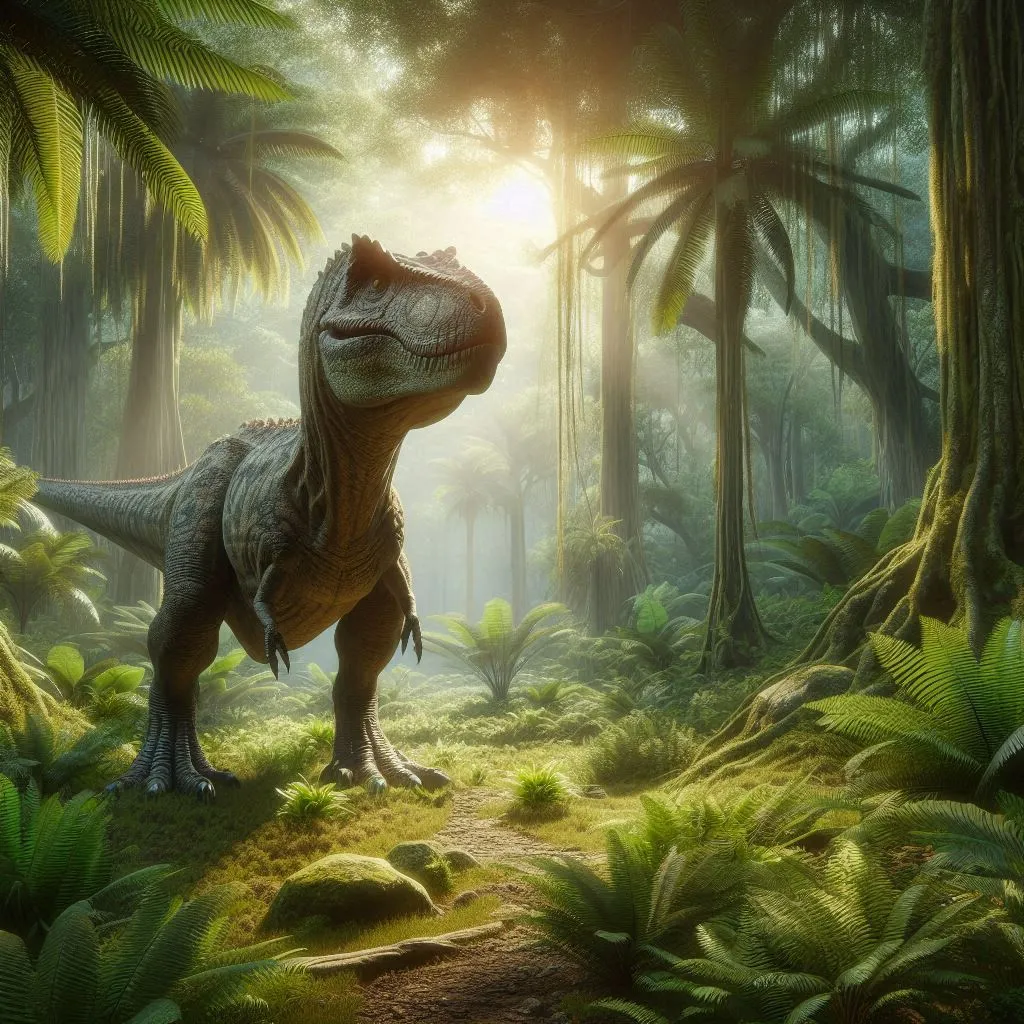
Dinosaurs are among the most fascinating creatures to have ever lived on Earth, capturing the imagination of kids, students, and adults alike. These prehistoric animals roamed the planet millions of years ago during the Triassic, Jurassic, and Cretaceous periods. Learning dinosaur facts helps us understand how dinosaurs lived, what they ate, how they evolved, and why they eventually became extinct.
From towering giants like Tyrannosaurus rex and long-necked sauropods to small, feathered dinosaurs closely related to modern birds, the world of dinosaurs is full of surprising discoveries.
In this guide, you’ll find fun, educational, and scientifically accurate dinosaur facts that are perfect for school projects, general knowledge, and curious readers of all ages.
Dinosaur Facts for Students
1. Dinosaurs lived during the Mesozoic Era, which includes the Triassic, Jurassic, and Cretaceous periods.
2. The word “dinosaur” comes from Greek and means “terrible lizard.”
3. Dinosaurs appeared about 230 million years ago and dominated Earth for millions of years.
4. Dinosaurs are divided into herbivores, carnivores, and omnivores based on their diets.
5. Fossils form when remains are buried by sediment and preserved over millions of years.
6. Paleontologists are scientists who study dinosaur fossils.
7. Some dinosaurs walked on two legs (bipedal), while others walked on four legs (quadrupedal).
8. Dinosaurs laid eggs, and fossil nests show some cared for their young.
9. Birds are considered modern descendants of dinosaurs.
10. The largest dinosaurs were sauropods, with long necks and tails.
11. Dinosaurs lived in many environments, including forests, deserts, and coastal areas.
12. Fossilized footprints, called trackways, help scientists understand dinosaur movement and behavior.
13. Not all dinosaurs were giants; some were smaller than a human.
14. Dinosaurs used teeth, claws, horns, and armor for feeding and protection.
15. The Tyrannosaurus rex is one of the most well-known meat-eating dinosaurs.
16. Many dinosaurs had good vision and strong senses to survive.
17. Dinosaurs became extinct about 66 million years ago, likely due to an asteroid impact.
18. Fossils have been found on every continent, including Antarctica.
19. Studying dinosaurs helps scientists understand Earth’s history and evolution.
20. New dinosaur discoveries are still being made, adding to what students learn today.
Recommended: 154+ Chickpea Nutrition Facts
Dinosaur Facts for Kids
1. Dinosaurs lived on Earth millions of years ago, long before humans existed.
2. The word “dinosaur” means “terrible lizard,” but many dinosaurs were gentle.
3. Some dinosaurs were as small as a chicken, while others were bigger than a bus.
4. Tyrannosaurus rex had huge teeth that could be as long as a banana.
5. Not all dinosaurs ate meat—many were plant eaters called herbivores.
6. Dinosaurs laid eggs, just like birds and reptiles today.
7. The Triceratops had three horns and a big bony frill to protect itself.
8. Some dinosaurs had feathers, not just scales.
9. Velociraptors were fast and smart hunters.
10. Dinosaurs lived on every continent, even Antarctica.
11. The longest dinosaur was the Argentinosaurus, which could grow over 100 feet long.
12. Stegosaurus had plates on its back that helped protect it and control body heat.
13. Flying reptiles like Pterodactyls were not dinosaurs—they were flying reptiles.
14. Dinosaurs used their tails for balance, defense, and communication.
15. The biggest meat-eating dinosaur was the Spinosaurus.
16. Scientists who study dinosaurs are called paleontologists.
17. Most dinosaurs became extinct about 65 million years ago.
18. Birds are the closest living relatives of dinosaurs today.
19. Dinosaur fossils are found in rocks, not dirt.
20. Every new fossil discovery helps scientists learn more amazing dinosaur facts.
Dinosaur Facts for Adults
1. Dinosaurs first appeared during the Triassic Period, about 230 million years ago.
2. Birds are modern dinosaurs, evolving directly from theropod dinosaurs.
3. Many dinosaurs likely had complex social behaviors, including herding and parental care.
4. Fossil evidence suggests some dinosaurs had feathers for insulation, not just for flight.
5. The extinction of non-avian dinosaurs occurred about 66 million years ago, likely caused by an asteroid impact.
6. Tyrannosaurus rex had one of the strongest bite forces of any land animal in history.
7. Some dinosaurs grew rapidly, reaching adult size in less than 20 years.
8. Dinosaurs dominated Earth for over 160 million years, far longer than humans have existed.
9. Bone chemistry shows some dinosaurs were warm-blooded or mesothermic, meaning they had intermediate metabolism.
10. The largest known dinosaur fossils belong to titanosaurs, some weighing over 70 tons.
11. Dinosaurs lived in lush forests, deserts, floodplains, and polar regions.
12. Soft tissue remnants, including blood vessel structures, have been found in some dinosaur fossils.
13. Not all dinosaurs were giants—many species were smaller than modern humans.
14. Dinosaurs used colorful feathers and crests for display, mating, and communication.
15. Trackways show that some dinosaurs traveled in organized groups at similar speeds.
16. The brain-to-body ratio of some dinosaurs suggests higher intelligence than once believed.
17. Dinosaurs and early mammals coexisted, but mammals remained small and nocturnal during the dinosaur age.
18. Fossilized nests show that some dinosaurs brooded their eggs like modern birds.
19. Continental drift played a major role in dinosaur evolution and diversity.
20. New dinosaur species are still being discovered, with dozens named every year.
Read More: 132+ Dates Nutrition Facts
Related: 157+ Facts About Planets
Dinosaur facts about behavior and movement
1. Some dinosaurs, like Velociraptor, likely hunted in packs, coordinating attacks to take down prey larger than themselves, which shows advanced social behavior.
2. Sauropods such as Diplodocus may have traveled in herds for protection, using their massive size collectively to deter predators and safeguard the young.
3. Fossilized trackways suggest that some dinosaurs could run at impressive speeds; small theropods may have reached speeds up to 40 miles per hour.
4. Large predators like Tyrannosaurus rex, despite their massive size, could move with surprising agility, using strong legs and tails for balance during movement.
5. Some dinosaurs, like Stegosaurus, likely used their spiked tails defensively, swinging them to fend off attackers or competing rivals.
6. Ceratopsians such as Triceratops may have engaged in head-to-head combat using their horns to establish dominance or defend territory.
7. Fossil evidence suggests that some dinosaurs, like Deinonychus, displayed complex hunting strategies, including ambushes and coordinated group attacks.
8. Many theropods were bipedal, relying on two powerful legs for speed and mobility, while their tails acted as counterbalances to maintain stability.
9. Some ornithopods, like Iguanodon, could move on both two legs for running and four legs for grazing, showing flexibility in locomotion.
10. Fossilized nests indicate that many dinosaurs cared for their young, protecting eggs and possibly feeding hatchlings, which reflects parental behavior.
11. Fossilized skin impressions suggest that some dinosaurs may have displayed colorful patterns, potentially for mating displays or communication within groups.
12. Some large sauropods may have communicated using low-frequency sounds that traveled long distances, helping coordinate movement across herds.
13. Fossilized evidence of bite marks and healed injuries shows that dinosaurs engaged in intraspecies fights, territorial disputes, and predator-prey interactions.
14. Dinosaurs like Spinosaurus may have been semi-aquatic, moving efficiently in water to catch fish, demonstrating adaptation to different environments.
15. Fossilized footprints show that some dinosaurs walked with a narrow gait while others, like sauropods, spread their limbs widely to support their massive weight.
16. Some small theropods used their claws not just for hunting but also for climbing or manipulating objects in their environment.
17. Dinosaurs may have exhibited migratory behavior, traveling long distances to find food, water, or suitable nesting grounds, similar to modern herbivores.
18. Fossil evidence suggests some species, like the duck-billed hadrosaurs, moved in large, tightly coordinated groups, possibly for social or defensive purposes.
19. The tails of many dinosaurs were highly versatile, used for balance, defense, and communication, allowing them to move efficiently despite large body sizes.
20. Overall, dinosaur behavior and movement were highly diverse, including hunting in packs, herd migration, parental care, territorial disputes, and adaptations for speed, balance, and survival in their environments, reflecting complex and dynamic prehistoric ecosystems.
Read More: 143+ Crumbl Cookie Nutrition Facts
Unique Dinosaur Facts
1. Some dinosaurs had hollow bones, making them lighter and more agile, similar to modern birds.
2. Dinosaurs likely had excellent eyesight, with some species able to see depth better than humans.
3. Certain dinosaurs could change their growth rate depending on food availability and climate.
4. Fossils show that some dinosaurs survived in freezing polar environments with months of darkness.
5. Dinosaur footprints reveal that some species could walk, trot, and run at different speeds.
6. The largest dinosaur eggs discovered were bigger than a football, yet some dinosaurs laid eggs no larger than a tennis ball.
7. Some dinosaurs used stones in their stomachs (gastroliths) to help grind tough plants.
8. Dinosaurs likely communicated using low-frequency sounds that could travel long distances.
9. The shape of dinosaur teeth shows they were specialized eaters, not just general feeders.
10. Some dinosaurs had asymmetric feathers, a feature linked to controlled movement and flight.
11. Fossilized skin impressions show dinosaurs had scales, bumps, and feathers, sometimes on the same body.
12. Certain dinosaurs had extra neck vertebrae, allowing extreme flexibility.
13. Dinosaur nests suggest communal nesting grounds, similar to modern seabirds.
14. Some herbivorous dinosaurs could digest poisonous plants that would kill most animals today.
15. The largest footprints left by dinosaurs measured over four feet long.
16. Dinosaurs experienced growth spurts, shown by rings inside their bones like tree rings.
17. Some dinosaurs had tail clubs or spikes powerful enough to break bone.
18. Fossil evidence suggests dinosaurs could heal from serious injuries, including broken bones.
19. Color pigments preserved in fossils indicate some dinosaurs were striped, spotted, or brightly colored.
20. Despite their extinction, dinosaurs still influence modern ecosystems through birds, their living descendants.
20 Interesting Facts About Dinosaurs
1. One of the most widely accepted theories for dinosaur extinction is the asteroid impact theory, which suggests a massive asteroid struck Earth about 66 million years ago, causing catastrophic environmental changes.
2. The impact created the Chicxulub crater in what is now Mexico, releasing enormous amounts of energy, dust, and debris that blocked sunlight for months.
3. Blocking sunlight led to a dramatic drop in global temperatures, a phenomenon called an “impact winter,” which disrupted photosynthesis and the food chain.
4. This sudden loss of plant life would have caused herbivorous dinosaurs to starve, which in turn led to the collapse of predator populations that relied on them.
5. Another theory suggests massive volcanic activity, particularly the Deccan Traps in India, released huge volumes of lava and gases, including sulfur dioxide and carbon dioxide.
6. Volcanic emissions could have triggered acid rain, global cooling, or long-term warming, all of which would have altered ecosystems and made survival difficult for dinosaurs.
7. Some scientists propose a combination of asteroid impact and volcanic activity, which together amplified environmental stress and accelerated extinction.
8. A slower climate change theory suggests that gradual shifts in sea levels, temperature, and atmospheric conditions over millions of years made life increasingly challenging for dinosaurs.
9. Competition with newly evolving mammals may have contributed to the decline of some dinosaur species, though this was likely secondary to catastrophic events.
10. Changes in ocean chemistry and reduced nutrient availability could have disrupted marine ecosystems, affecting aquatic dinosaurs and the food chain connected to land.
11. Evidence of shocked quartz and iridium layers in the geological record supports the asteroid impact theory, as these materials are rare on Earth but common in meteorites.
12. Fossil records indicate a sudden disappearance of many species at the K-Pg boundary, consistent with a rapid, catastrophic extinction rather than a slow decline.
13. Some smaller dinosaurs may have survived briefly after the impact or volcanic events, but harsh conditions and lack of resources prevented long-term survival.
14. Dust and soot from the asteroid impact could have caused widespread fires, destroying forests and vegetation critical to herbivorous dinosaurs.
15. A reduction in sunlight and global cooling may have also affected reproduction, causing eggs not to hatch successfully, contributing to species decline.
16. Some scientists suggest toxic gases released by volcanoes or decaying plant matter could have poisoned water sources, further stressing dinosaur populations.
17. The rapid environmental changes would have disrupted migration patterns, breeding cycles, and social behaviors necessary for survival.
18. Fossil evidence shows that many large species were more vulnerable to extinction due to higher energy and food requirements, making them less adaptable.
19. The extinction event allowed mammals and birds to diversify and fill ecological niches previously dominated by dinosaurs, reshaping Earth’s ecosystems.
20. Overall, while multiple theories exist, the prevailing scientific consensus points to a combination of catastrophic asteroid impact, volcanic activity, and environmental disruption as the primary reasons dinosaurs went extinct, highlighting the fragility of life in the face of sudden planetary changes.
Fun ways to learn more dinosaur facts
1. One of the most widely accepted theories for dinosaur extinction is the asteroid impact theory, which suggests a massive asteroid struck Earth about 66 million years ago, causing catastrophic environmental changes.
2. The impact created the Chicxulub crater in what is now Mexico, releasing enormous amounts of energy, dust, and debris that blocked sunlight for months.
3. Blocking sunlight led to a dramatic drop in global temperatures, a phenomenon called an “impact winter,” which disrupted photosynthesis and the food chain.
4. This sudden loss of plant life would have caused herbivorous dinosaurs to starve, which in turn led to the collapse of predator populations that relied on them.
5. Another theory suggests massive volcanic activity, particularly the Deccan Traps in India, released huge volumes of lava and gases, including sulfur dioxide and carbon dioxide.
6. Volcanic emissions could have triggered acid rain, global cooling, or long-term warming, all of which would have altered ecosystems and made survival difficult for dinosaurs.
7. Some scientists propose a combination of asteroid impact and volcanic activity, which together amplified environmental stress and accelerated extinction.
8. A slower climate change theory suggests that gradual shifts in sea levels, temperature, and atmospheric conditions over millions of years made life increasingly challenging for dinosaurs.
9. Competition with newly evolving mammals may have contributed to the decline of some dinosaur species, though this was likely secondary to catastrophic events.
10. Changes in ocean chemistry and reduced nutrient availability could have disrupted marine ecosystems, affecting aquatic dinosaurs and the food chain connected to land.
11. Evidence of shocked quartz and iridium layers in the geological record supports the asteroid impact theory, as these materials are rare on Earth but common in meteorites.
12. Fossil records indicate a sudden disappearance of many species at the K-Pg boundary, consistent with a rapid, catastrophic extinction rather than a slow decline.
13. Some smaller dinosaurs may have survived briefly after the impact or volcanic events, but harsh conditions and lack of resources prevented long-term survival.
14. Dust and soot from the asteroid impact could have caused widespread fires, destroying forests and vegetation critical to herbivorous dinosaurs.
15. A reduction in sunlight and global cooling may have also affected reproduction, causing eggs not to hatch successfully, contributing to species decline.
16. Some scientists suggest toxic gases released by volcanoes or decaying plant matter could have poisoned water sources, further stressing dinosaur populations.
17. The rapid environmental changes would have disrupted migration patterns, breeding cycles, and social behaviors necessary for survival.
18. Fossil evidence shows that many large species were more vulnerable to extinction due to higher energy and food requirements, making them less adaptable.
19. The extinction event allowed mammals and birds to diversify and fill ecological niches previously dominated by dinosaurs, reshaping Earth’s ecosystems.
20. Overall, while multiple theories exist, the prevailing scientific consensus points to a combination of catastrophic asteroid impact, volcanic activity, and environmental disruption as the primary reasons dinosaurs went extinct, highlighting the fragility of life in the face of sudden planetary changes.
FAQS:
🦕 What are 10 facts about dinosaurs?
- Dinosaurs lived on Earth millions of years ago, long before humans.
- They lived during the Triassic, Jurassic, and Cretaceous periods.
- Some dinosaurs ate plants, some ate meat, and some ate both.
- Dinosaurs laid eggs, and some cared for their babies.
- Not all dinosaurs were huge—many were small and fast.
- Dinosaurs lived on every continent, including Antarctica.
- Some dinosaurs had feathers, not just scales.
- Birds are the living descendants of dinosaurs.
- Most dinosaurs became extinct about 66 million years ago.
- Scientists learn about dinosaurs by studying fossils.
😂 What is a silly dinosaur fact?
A fun and silly dinosaur fact is:
👉 A Tyrannosaurus rex could not clap its hands because its arms were too short!
(Some scientists think T. rex arms were only about 3 feet long—short for such a huge body.)
What dinosaur is the tallest?
The tallest dinosaur was likely Sauroposeidon.
- It could reach up to 60 feet (18 meters) tall
- It was even taller than a 5-story building
- It used its long neck to eat leaves from very tall trees
🦴 Who found dinosaurs first?
The first scientifically described dinosaur was Megalosaurus.
- It was identified in 1824
- Described by William Buckland, an English scientist
- People had found dinosaur bones earlier but didn’t know what they were
Final Thoughts
Dinosaur facts remind us how incredible life on Earth has been throughout history. From towering Brachiosaurus to the speedy Velociraptor, these prehistoric creatures continue to inspire scientists and dinosaur enthusiasts alike.
Learning about dinosaurs not only teaches us about the past, but also sparks curiosity about evolution, adaptation, and the mysteries of our planet.