
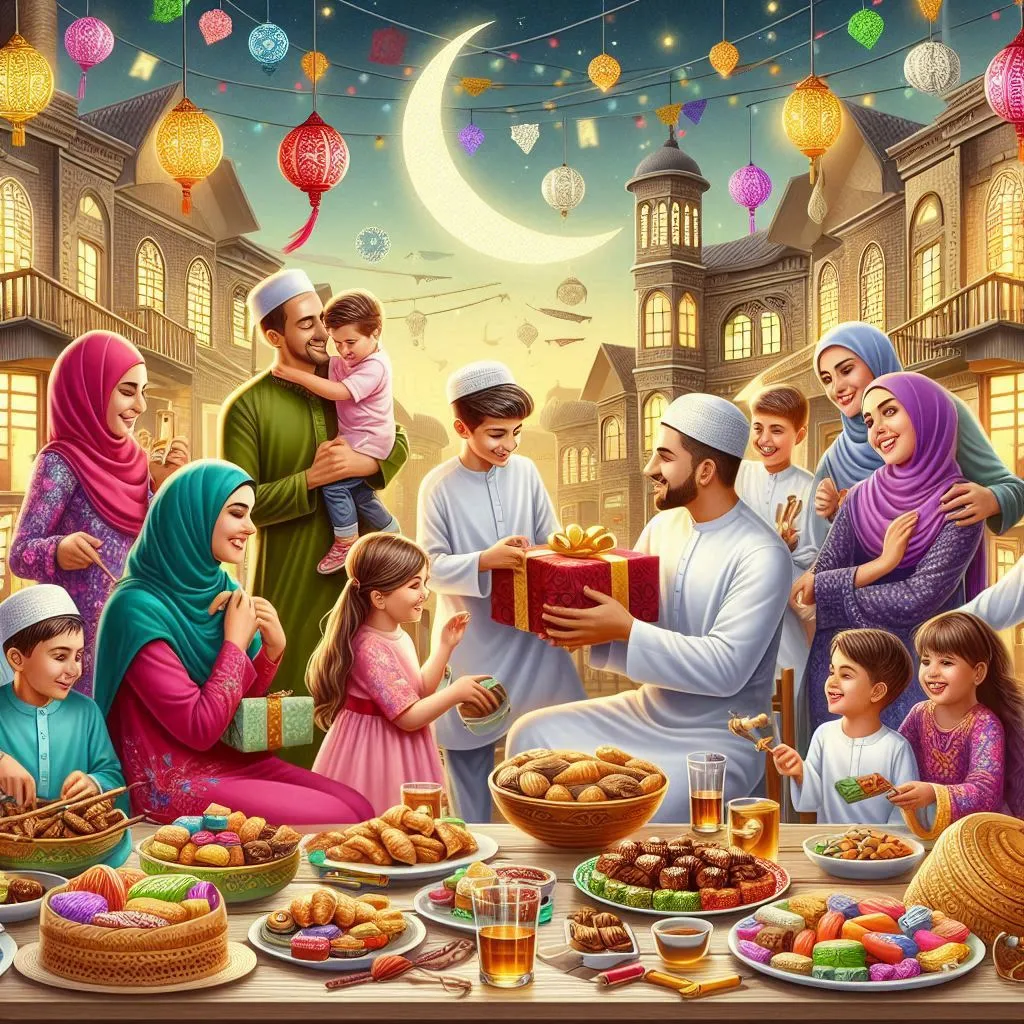
Discover fun and fascinating facts about Eid Al Fitr! Learn about its traditions, celebrations, and unique customs that make this festival special for millions around the world.
Eid al-Fitr is a joyful Islamic festival that marks the end of the holy month of Ramadan. Celebrated by millions of Muslims around the world, this special day is filled with prayers, delicious food, charity, and family gatherings.
Known as the “Festival of Breaking the Fast,” Eid brings communities together in celebration and gratitude.
Beyond the traditions, there are many fun and surprising facts about Eid al-Fitr—from moon sightings that determine its date to unique customs practiced in different cultures. Let’s explore some interesting facts that make this beautiful festival even more special.
Fun Facts About Eid Al Fitr For Kids
1. Eid Al-Fitr means “Festival of Breaking the Fast” in Arabic. It’s the big party after a whole month of fasting called Ramadan .
2. Muslims celebrate Eid Al-Fitr on the first day of the month called Shawwal, which comes right after Ramadan .
3. To know when Eid starts, people look for the new moon in the sky. When they spot the tiny crescent, Eid begins the next day .
4. Before Eid prayers, Muslims must give a special charity called Zakat al-Fitr. It helps poor people also enjoy the celebration .
5. On Eid morning, Muslims wake up early, take a shower, put on their best clothes, and eat something sweet before heading to prayer .
6. Special Eid prayers are held in large open areas or mosques with hundreds or even thousands of people praying together .
7. After prayers, everyone hugs and says “Eid Mubarak,” which means “Blessed Eid” .
8. Kids often receive gifts or money called “Eidi” from parents, grandparents, and older relatives .
9. Many families decorate their homes with lights, balloons, and banners to make the day feel extra special .
10. Delicious foods are a huge part of Eid! Families make special dishes like sheer khurma (sweet vermicelli pudding), biryani, cookies, and cakes .
11. In some countries like Egypt, children get “Eidiyya” money in colorful envelopes to spend on toys and treats .
12. Muslims visit friends and family during Eid, sometimes going to many houses in one day to share meals and joy .
13. Some communities hold Eid carnivals with games, rides, and fun activities for kids to enjoy .
14. In Indonesia, the world’s most populous Muslim country, millions of people travel back to their hometowns for Eid in a tradition called “Mudik” .
15. Giving gifts is a big part of Eid. Kids might give small presents to friends and thank parents with handmade cards .
16. Eid celebrations usually last three days in most countries, but some places celebrate even longer .
17. In Turkey, Eid is called “Şeker Bayramı” which means “Sugar Holiday” because everyone eats lots of sweets and candies .
18. Some families have a tradition of wearing matching outfits or traditional clothes like shalwar kameez, abayas, or kaftans .
19. Many people visit graveyards during Eid to pray for deceased family members and remember them .
20. Eid Al-Fitr is a time for forgiveness, kindness, and being grateful. Muslims believe their good deeds during Ramadan are rewarded, and Eid is the celebration of that achievement.
Recommended: 134+ Ramadan Trivia Questions and Answers
Fun Facts About Eid Al Fitr In English
1. “Eid” means “festival” or “feast” in Arabic, marking the joyous end of Ramadan fasting.
2. The date of Eid al-Fitr is set by the sighting of the new moon, varying by location worldwide.
3. It lasts officially for three days, filled with prayers, family gatherings, and celebrations.
4. A key ritual is Zakat al-Fitr, where Muslims give food or money to the poor before prayers.
5. Celebrations begin with special communal Eid prayer, often outdoors in large open spaces.
6. It’s nicknamed the “Sugar Feast” or “Sweet Eid” due to all the sweets and treats shared.
7. Prophet Muhammad instituted Eid al-Fitr in Medina to replace pre-Islamic pagan festivals.
8. People wear new or their best clothes, often with intricate henna designs on hands.
9. Children go door-to-door saying “Eid Mubarak” and receive candy, money, or eidi gifts.
10. In Shia tradition, the Eid prayer includes specific extra Takbirs (declarations of God’s greatness).
11. Mosques and streets light up with lamps, lanterns, and colorful decorations for the occasion.
12. Families prepare special meals like sheer khurma, baklava, or regional sweets to share.
13. Visiting graves of loved ones to pray and clean them is common in places like Indonesia.
14. Greetings like “Eid Mubarak” mean “Blessed Eid,” shared with hugs and handshakes.
15. In Egypt, celebrations can stretch over four days with unique foods like kahk cookies.
16. Saudi families often spread rugs outdoors to share meals with neighbors and strangers.
17. A pre-prayer cleansing ritual called ghusl ensures everyone starts fresh and pure.
18. Sufi music, dervish dances, and puppet shows add festive entertainment in some regions.
19. Indonesia’s “halal bihalal” involves forgiving visits days after Eid prayers.
20. Eid al-Fitr emphasizes charity, unity, and gratitude after a month of spiritual discipline.
Recommended: 131+ Interesting Ramadan Facts About Fasting
Funny Facts About Eid Al Fitr
1. Stretchy pants become the most important Eid outfit accessory.
2. The moon decides the date, so everyone waits for a “celestial RSVP.”
3. Kids care more about Eidi than the actual prayers.
4. Mothers are the real alarm clocks on Eid morning.
5. Eid prayers are so crowded you meet strangers you’ll never see again.
6. The first bite of sheer khurma feels like winning a championship.
7. Selfies sometimes last longer than the Eid prayer itself.
8. Relatives always ask about marriage plans right after dessert.
9. Every fridge turns into a five-star buffet.
10. Kids collect Eidi like professional bankers.
11. Hugging everyone three times takes longer than the sermon.
12. New clothes are mandatory, but food stains are guaranteed.
13. Diet plans mysteriously disappear on Eid.
14. Tea becomes the national fuel of family gatherings.
15. Leftovers last longer than the joy of receiving Eidi.
16. There’s always one cousin who eats more than everyone else combined.
17. Shopping malls are more crowded than mosques before Eid.
18. Happiness is homemade—and usually deep-fried.
19. No matter how much food is cooked, someone complains about the biryani.
20. Eid proves that overeating can feel like a spiritual tradition.
Cute Fun Facts About Eid Al Fitr
1. Eid al-Fitr means “Festival of Breaking the Fast” — it’s like the happiest “school’s out” party after Ramadan!
2. People say “Eid Mubarak” which means “Blessed Eid” — it’s the most magical way to say Happy Eid!
3. On Eid morning, Muslims wake up extra early to pray a special prayer called Eid Salah — it’s like a big family hug with God.
4. Everyone tries to wear brand-new clothes on Eid — it’s like the whole world is having a fashion show!
5. Kids get Eidi (pocket money or gifts) from aunties, uncles, and grandparents — it feels like treasure hunt day!
6. Sheer khurma (sweet vermicelli pudding) is one of the most popular Eid breakfasts — it’s like eating dessert for breakfast!
7. In many countries, people decorate their homes with fairy lights, balloons, and colorful banners — it turns houses into Eid wonderlands!
8. Families hug and say “Taqabbal Allahu minna wa minkum” which means “May Allah accept from us and from you” — the sweetest Eid greeting ever.
9. Some kids get to paint their hands with henna (mehndi) — it’s like temporary magic tattoos!
10. In Indonesia, Eid is called “Lebaran” and people say “Minal Aidin wal-Faizin” — it sounds like a fun secret code!
11. There’s a special sweet called “maamoul” in the Middle East — tiny cookies stuffed with dates or nuts that look like little treasures.
12. In Turkey, kids kiss elders’ hands and get candy or money — it’s the cutest way to show respect and get treats!
13. Eid is celebrated for 1 to 3 days — that means more parties, more sweets, and more fun!
14. People give lots of charity (Zakat al-Fitr) before Eid prayer so everyone can celebrate — it’s like making sure the whole neighborhood has a happy Eid.
15. In Pakistan and India, “Sehri ki mithai” (pre-dawn sweets) sometimes turn into Eid leftovers — double sweetness!
16. Some families play traditional games like “gulli danda” or board games after Eid lunch — pure family fun!
17. The moon sighting (Chand Raat) the night before Eid is super exciting — everyone looks at the sky hoping to spot the tiny crescent moon!
18. In Malaysia, they have “open houses” where anyone can visit and eat yummy food — it’s like the biggest playdate ever!
19. Eid al-Fitr always comes after Ramadan, so it feels like the biggest reward party after 30 days of being extra good!
20. The best part? Hugging family, eating way too many sweets, and feeling super loved — that’s the real magic of Eid!
Best Fun Facts About Eid Al Fitr
1. Eid al-Fitr marks the end of the holy month of Ramadan when Muslims fast from dawn to sunset.
2. Eid begins when the new moon of Shawwal is sighted.
3. People greet each other with “Eid Mubarak,” which means “Blessed Eid.”
4. The day starts with a special congregational prayer called Salat al-Eid.
5. Muslims give charity called Zakat al-Fitr so everyone can celebrate.
6. Unlike Ramadan mornings, Muslims are encouraged to eat something before going to the Eid prayer.
7. Eid al-Fitr is often called the “Festival of Breaking the Fast.”
8. Children usually receive gifts or money known as Eidi.
9. Many cultures celebrate with special foods like sheer khurma, maamoul cookies, biryani, and baklava.
10. Wearing new or best clothes on Eid is a popular tradition.
11. The festival is celebrated by more than 1.9 billion Muslims around the world.
12. The celebrations usually last one to three days depending on the country.
13. Visiting relatives and friends is an important part of the celebration.
14. Eid is sometimes called the “Sweet Eid” because desserts are widely shared.
15. People use the day to forgive each other and strengthen relationships.
16. Homes, streets, and mosques are often decorated with lights, banners, and lanterns.
17. In Indonesia Eid is called Lebaran, and in Turkey it is known as Ramazan Bayramı.
18. In many cities huge Eid prayers are held with thousands of worshippers.
19. Many people wear pleasant fragrances such as attar before going to the prayer.
20. It is one of the two major Islamic festivals, the other being Eid al-Adha.
Fun Facts About Eid Al Fitr Captions
1. Eid Al Fitr marks the end of Ramadan, the Islamic holy month of fasting.
2. Eid Al Fitr means “Festival of Breaking the Fast” in Arabic.
3. Eid celebrations typically last for 3 days.
4. Muslims greet each other with “Eid Mubarak” on Eid Al Fitr.
5. Traditional Eid foods include sweet dishes like dates and baklava.
6. Eid Al Fitr is also known as the “Smaller Eid”.
7. Muslims usually wear new clothes on Eid Al Fitr.
8. Eid prayers are performed in congregation, usually in open areas.
9. Giving charity (Zakat al-Fitr) is a key part of Eid Al Fitr.
10. Eid Al Fitr is a public holiday in many countries.
11. Dates are traditionally eaten to break the fast on Eid morning.
12. Eid decorations often feature lights, lanterns, and flowers.
13. Family gatherings and gift-giving are common on Eid Al Fitr.
14. Eid Al Fitr dates vary each year based on the Islamic lunar calendar.
15. Eid Al Fitr is a time for forgiveness and reconciliation.
16. Traditional Eid activities include visiting family and friends.
17. Eid Al Fitr is celebrated by Muslims worldwide, regardless of culture.
18. Special Eid sweets like sheer khurma are popular in Pakistan.
19. Eid Al Fitr marks a time of spiritual renewal.
20. Eid celebrations often include games, food, and festivities.
Fun Facts About Eid Al Fitr For Adults
1. Eid al-Fitr, meaning “Festival of Breaking the Fast,” celebrates Ramadan’s end with communal prayers and feasts.
2. The new moon sighting determines the exact start, creating global variations in celebration dates.
3. Zakat al-Fitr charity ensures the poor join festivities, given before the Eid prayer.
4. Known as the “Sugar Feast,” it features sweets like baklava and sheer khurma shared generously.
5. Families wear new clothes symbolizing renewal, often with henna art for intricate designs.
6. Eid prayer includes extra takbirs, performed outdoors to accommodate huge crowds.
7. In Turkey, Ottoman-era mahya lights on minarets display illuminated Quranic verses.
8. Afghan adults play Tokhm-Jangi, cracking boiled eggs in playful competitions.
9. Indonesians practice halal bihalal, forgiveness visits extending celebrations for days.
10. Egyptian kahk cookies, filled with nuts or dates, are baked fresh for family gatherings.
11. Sufi whirling dervishes perform spiritual dances during nighttime Eid events in some regions.
12. Saudi hosts spread outdoor rugs for communal meals with neighbors and strangers.
13. Henna nights before Eid involve elaborate designs, especially for women and girls.
14. Eidi cash gifts teach generosity, with adults giving to children and the needy.
15. In the Philippines, Muslim areas host boat races and carabao fights as festive sports.
16. Kurds enjoy hearty stews like beans and apricot for post-prayer breakfasts.
17. Ghusl full-body cleansing ritual prepares adults spiritually before dawn prayers.
18. Shadow puppet shows entertain crowds in Turkey alongside traditional fasil music.
19. Grave visits in Indonesia include cleaning and prayers, blending remembrance with joy.
20. Officially three days, celebrations emphasize unity, gratitude, and breaking Ramadan’s discipline.
FAQS
What is Eid al-Fitr?
Eid al-Fitr is a major Islamic festival that marks the end of Ramadan, the holy month of fasting. Celebrated by Muslims worldwide, it’s a time for gratitude, prayer, family gatherings, and sharing meals. The holiday also emphasizes charity, with giving to the less fortunate being an important part of the celebration.
What are some fun facts about Eid al Fitr?
Eid al-Fitr literally means “Festival of Breaking the Fast.”
The celebration lasts 1–3 days, depending on the country.
Special foods and sweets, like dates, baklava, and sheer khurma, are traditionally enjoyed.
Many people wear new or special clothes to mark the occasion.
It’s common to exchange gifts, especially with children.
What are some interesting facts about Eid ul-Fitr?
The date of Eid al-Fitr depends on the sighting of the new moon, so it varies each year.
In some countries, Eid is a public holiday, and schools and offices close.
Mosques hold special prayers called Salat al-Eid, often in large open areas to accommodate crowds.
The festival is a time to forgive past disputes and strengthen community bonds.
What are the traditions of Eid al-Fitr?
Morning Prayer: Muslims perform a special prayer at the mosque or open grounds.
Charity (Zakat al-Fitr): Giving to the poor before the Eid prayer is a key tradition.
Feasting: Families enjoy festive meals and traditional sweets.
Visiting Family and Friends: Exchanging greetings, gifts, and hugs is common.
Decorations: Homes are often decorated with lights and ornaments to celebrate the joyous occasion.
Final Thoughts
In the end, Eid al-Fitr is more than just the end of a month of fasting—it’s a celebration filled with joy, culture, and meaningful traditions. The fun facts about Eid show how this festival brings people together through shared meals, generosity, and festive customs in different parts of the world.
While the ways of celebrating may vary from country to country, the spirit of Eid remains the same: gratitude, kindness, and togetherness. These unique traditions and interesting facts make Eid al-Fitr a truly special and memorable celebration for Muslims everywhere.