

Pizza Hut is one of the most popular pizza chains worldwide, but how does it fit into a healthy diet? Understanding Pizza Hut nutrition facts can help you make smarter choices when ordering, from calories and fat content to protein, sodium, and carbs.
This guide breaks down the most important Pizza Hut nutrition facts for popular pizzas, sides, and beverages, helping you enjoy your favorite meals while staying informed.
Pizza Hut Nutrition Facts – Nutritional Value Per Slice
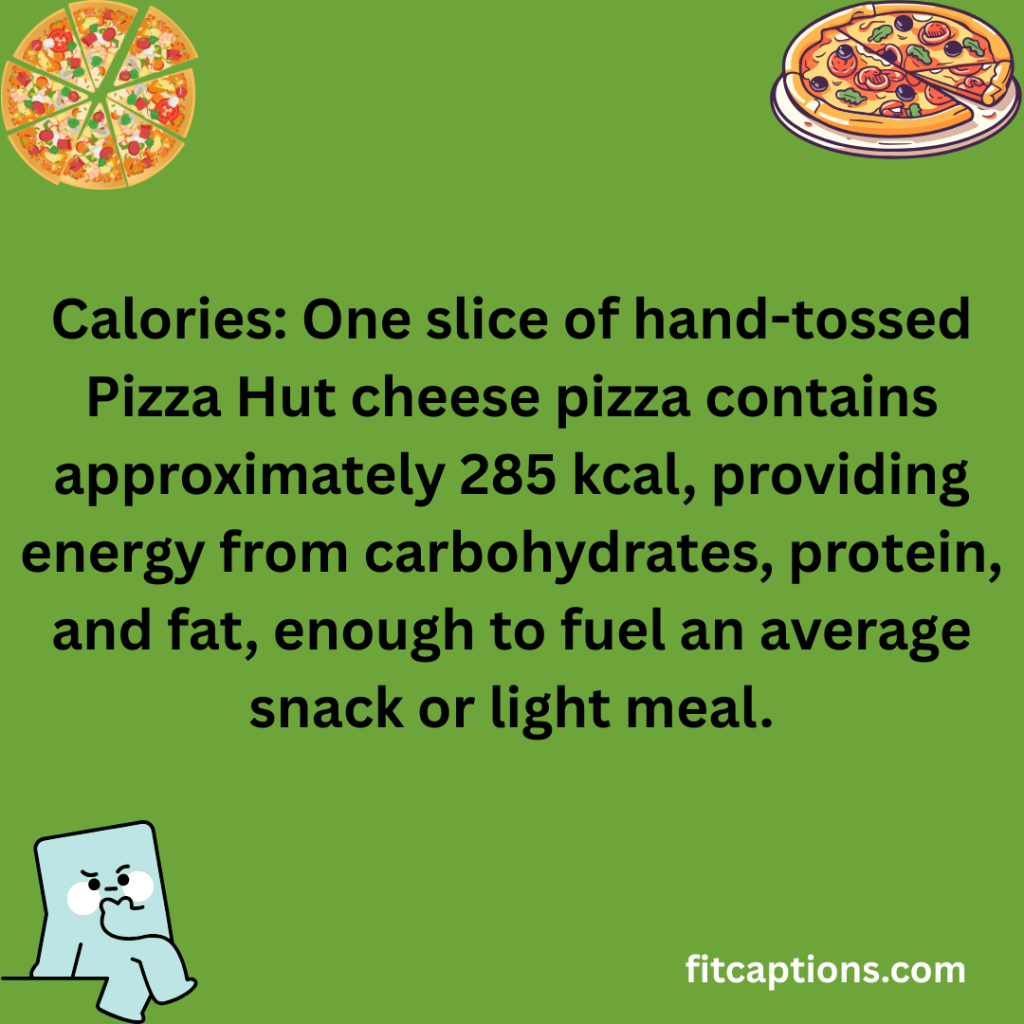
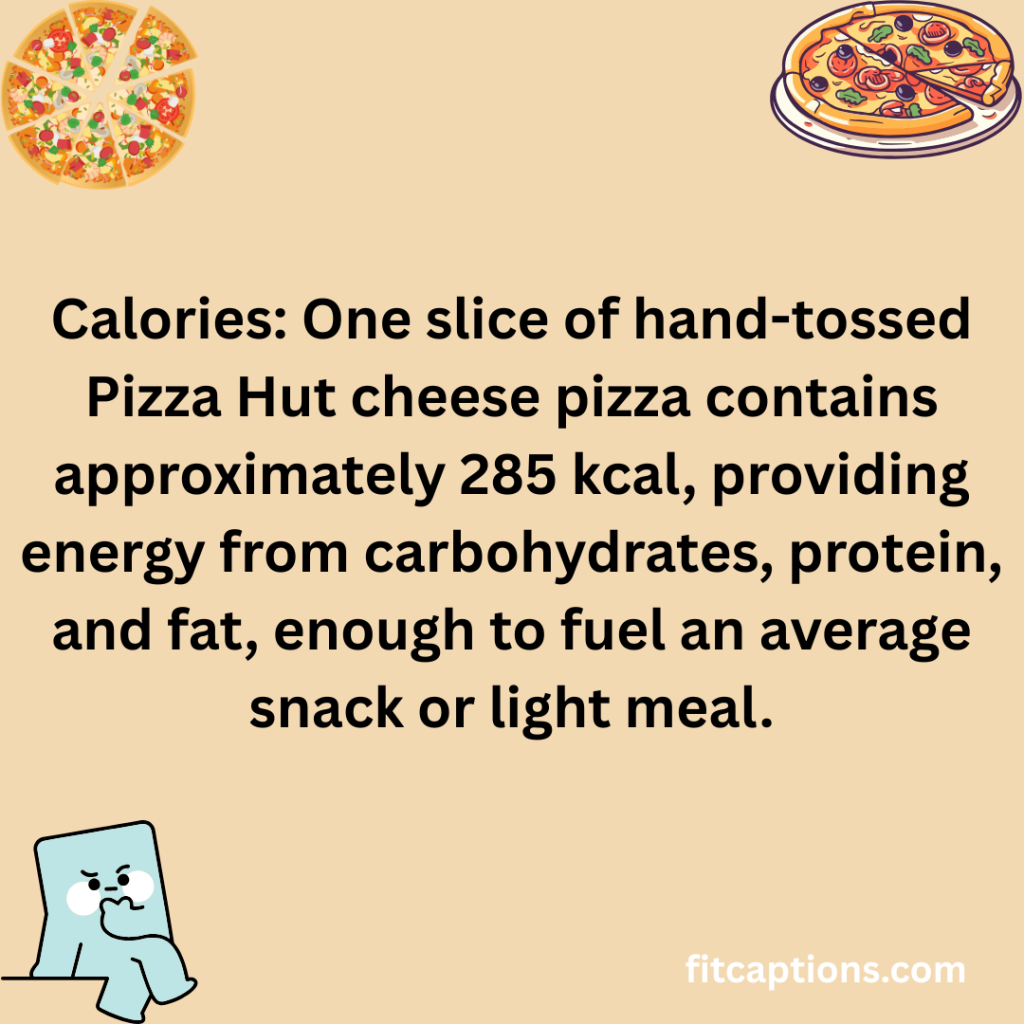
1. Calories: One slice of hand-tossed Pizza Hut cheese pizza contains approximately 285 kcal, providing energy from carbohydrates, protein, and fat, enough to fuel an average snack or light meal.
2. Total Fat: One slice has about 10.4 g of total fat, including both saturated and unsaturated fats, which contribute to energy intake, hormone production, and fat-soluble vitamin absorption.
3. Saturated Fat: It contains roughly 4.5 g of saturated fat per slice, which should be monitored for heart health but is typical in cheese and pizza dough.
4. Trans Fat: Depending on the cheese and crust used, one slice may contain a small amount of trans fat, often less than 0.5 g, which can negatively affect heart health if consumed in excess.
5. Cholesterol: One slice provides around 25 mg of cholesterol, primarily from cheese, which contributes to cell membrane structure and hormone production.
6. Sodium: Pizza Hut cheese pizza is high in sodium, with approximately 640 mg per slice, which helps with fluid balance but may need to be limited for people monitoring blood pressure.
7. Total Carbohydrates: One slice contains about 36 g of carbohydrates, mainly from the crust, providing a quick source of energy for physical and mental activity.
8. Dietary Fiber: It provides roughly 2 g per slice, which supports digestion, helps maintain steady blood sugar levels, and contributes to satiety.
9. Sugars: One slice contains approximately 3.8 g of sugar, coming mostly from tomato sauce and dough, which is moderate for a savory meal.
10. Protein: Each slice has around 12 g of protein, primarily from cheese, which supports muscle repair, growth, and overall metabolic function.
11. Calcium: One slice supplies about 200 mg of calcium, essential for strong bones, teeth, nerve function, and muscle contraction.
12. Iron: Pizza Hut cheese pizza provides approximately 2 mg of iron per slice, which is important for oxygen transport, energy metabolism, and overall immune health.
13. Vitamin A: One slice contains around 150 IU of vitamin A, mainly from cheese and tomato sauce, which supports vision, skin health, and immune function.
14. Vitamin C: There is a small amount, approximately 2 mg per slice, primarily from tomato sauce, contributing modestly to antioxidant protection and immune support.
15. Vitamin D: Depending on the type of cheese, one slice may provide a small amount of vitamin D, around 0.5 mcg, which supports calcium absorption and bone health.
16. Vitamin B12: One slice contains roughly 0.7 mcg, important for red blood cell formation, nervous system health, and energy metabolism.
17. Magnesium: Each slice provides about 20 mg, a mineral that supports nerve and muscle function, bone strength, and energy production.
18. Phosphorus: One slice contains around 150 mg of phosphorus, which contributes to bone and teeth structure, energy storage, and cell repair.
19. Zinc: Pizza Hut cheese pizza offers roughly 1 mg per slice, supporting immunity, enzyme function, and wound healing.
20. Potassium: Each slice provides about 200 mg of potassium, which helps regulate fluid balance, supports heart and muscle function, and contributes to normal blood pressure.
Pizza Hut Nutrition Facts – Calories and Fat Content
1. Calories: One slice of hand-tossed Pizza Hut cheese pizza contains approximately 285 kcal, providing energy from carbohydrates, protein, and fat to fuel daily activities or a light meal.
2. Total Fat: Each slice contains about 10.4 g of total fat, which contributes to energy intake, hormone production, and the absorption of fat-soluble vitamins such as A, D, E, and K.
3. Saturated Fat: One slice has roughly 4.5 g of saturated fat, primarily from cheese and dough, which should be consumed in moderation to support heart health.
4. Trans Fat: Depending on the type of cheese and crust, a slice may contain a small amount of trans fat, usually less than 0.5 g, which can negatively affect cardiovascular health if consumed regularly.
5. Monounsaturated Fat: Pizza Hut cheese pizza provides a small amount of monounsaturated fat per slice, which can help reduce LDL cholesterol and support heart health.
6. Polyunsaturated Fat: Each slice contains a modest amount of polyunsaturated fats, including omega-6 fatty acids, which play a role in cell structure, hormone production, and inflammation regulation.
7. Omega-3 Fatty Acids: One slice contains trace amounts of omega-3 fatty acids, primarily from cheese, contributing to anti-inflammatory effects and cardiovascular support.
8. Fat Percentage of Calories: About 33% of the calories in a single slice come from fat, highlighting its role as a moderate-fat food option in a balanced diet.
9. Cholesterol: One slice provides approximately 25 mg of cholesterol, mainly from cheese, which is essential for hormone production and cell membrane health but should be monitored in cholesterol-sensitive diets.
10. Fat-Soluble Vitamins: The fats in pizza help absorb vitamins A, D, E, and K from cheese and toppings, which are crucial for vision, bone health, antioxidant protection, and blood clotting.
11. Cooking Fat Contribution: The baking process and cheese toppings contribute the majority of the fat content, while the crust provides a smaller portion of total fat.
12. Comparison with Other Toppings: Adding pepperoni, sausage, or extra cheese significantly increases saturated fat and total calories per slice, sometimes nearly doubling the fat content.
13. Impact on Daily Fat Intake: One slice provides roughly 15–20% of the recommended daily intake of total fat for an average adult (based on a 2,000 kcal diet).
14. Energy Density: The fat content makes pizza a high-energy-density food, meaning it provides a lot of calories in a relatively small portion, which can affect satiety and portion control.
15. Fat and Flavor: Fat in pizza contributes to its texture, mouthfeel, and overall flavor, making it more palatable and satisfying compared to low-fat alternatives.
16. Portion Considerations: Eating multiple slices can significantly increase fat and calorie intake; for example, two slices contain over 20 g of fat and 570 kcal.
17. Saturated Fat Impact: Consuming pizza with high saturated fat occasionally is generally acceptable for healthy adults, but regular overconsumption can raise LDL cholesterol levels.
18. Low-Fat Options: Pizza Hut offers thin crust and veggie-topped pizzas, which reduce total fat and saturated fat per slice compared to standard cheese or meat-heavy options.
19. Fat Breakdown: Of the total 10.4 g of fat per slice, roughly 4.5 g is saturated, 3.5 g is unsaturated, and small amounts are trans fats and trace omega-3s.
20. Summary for Health: Pizza Hut cheese pizza provides a balanced but moderately high-fat option per slice, supplying energy, essential fatty acids, and fat-soluble vitamins, while requiring moderation for heart health and daily caloric balance.
Pizza Hut Nutrition Facts – Protein and Carbohydrates
1. Calories: One slice of hand-tossed Pizza Hut cheese pizza contains approximately 285 kcal, providing energy from carbohydrates, protein, and fat to fuel daily activities or a light meal.
2. Total Fat: Each slice contains about 10.4 g of total fat, which contributes to energy intake, hormone production, and the absorption of fat-soluble vitamins such as A, D, E, and K.
3. Saturated Fat: One slice has roughly 4.5 g of saturated fat, primarily from cheese and dough, which should be consumed in moderation to support heart health.
4. Trans Fat: Depending on the type of cheese and crust, a slice may contain a small amount of trans fat, usually less than 0.5 g, which can negatively affect cardiovascular health if consumed regularly.
5. Monounsaturated Fat: Pizza Hut cheese pizza provides a small amount of monounsaturated fat per slice, which can help reduce LDL cholesterol and support heart health.
6. Polyunsaturated Fat: Each slice contains a modest amount of polyunsaturated fats, including omega-6 fatty acids, which play a role in cell structure, hormone production, and inflammation regulation.
7. Omega-3 Fatty Acids: One slice contains trace amounts of omega-3 fatty acids, primarily from cheese, contributing to anti-inflammatory effects and cardiovascular support.
8. Fat Percentage of Calories: About 33% of the calories in a single slice come from fat, highlighting its role as a moderate-fat food option in a balanced diet.
9. Cholesterol: One slice provides approximately 25 mg of cholesterol, mainly from cheese, which is essential for hormone production and cell membrane health but should be monitored in cholesterol-sensitive diets.
10. Fat-Soluble Vitamins: The fats in pizza help absorb vitamins A, D, E, and K from cheese and toppings, which are crucial for vision, bone health, antioxidant protection, and blood clotting.
11. Cooking Fat Contribution: The baking process and cheese toppings contribute the majority of the fat content, while the crust provides a smaller portion of total fat.
12. Comparison with Other Toppings: Adding pepperoni, sausage, or extra cheese significantly increases saturated fat and total calories per slice, sometimes nearly doubling the fat content.
13. Impact on Daily Fat Intake: One slice provides roughly 15–20% of the recommended daily intake of total fat for an average adult (based on a 2,000 kcal diet).
14. Energy Density: The fat content makes pizza a high-energy-density food, meaning it provides a lot of calories in a relatively small portion, which can affect satiety and portion control.
15. Fat and Flavor: Fat in pizza contributes to its texture, mouthfeel, and overall flavor, making it more palatable and satisfying compared to low-fat alternatives.
16. Portion Considerations: Eating multiple slices can significantly increase fat and calorie intake; for example, two slices contain over 20 g of fat and 570 kcal.
17. Saturated Fat Impact: Consuming pizza with high saturated fat occasionally is generally acceptable for healthy adults, but regular overconsumption can raise LDL cholesterol levels.
18. Low-Fat Options: Pizza Hut offers thin crust and veggie-topped pizzas, which reduce total fat and saturated fat per slice compared to standard cheese or meat-heavy options.
19. Fat Breakdown: Of the total 10.4 g of fat per slice, roughly 4.5 g is saturated, 3.5 g is unsaturated, and small amounts are trans fats and trace omega-3s.
20. Summary for Health: Pizza Hut cheese pizza provides a balanced but moderately high-fat option per slice, supplying energy, essential fatty acids, and fat-soluble vitamins, while requiring moderation for heart health and daily caloric balance.

Related: 153+ Pizza Hut Nutrition Facts
Pizza Hut Nutrition Facts – Sodium and Sugar
1. Sodium Content: One slice of Pizza Hut hand-tossed cheese pizza contains approximately 640 mg of sodium, which helps maintain fluid balance but is relatively high compared to daily recommended intake.
2. Sugar Content: One slice contains around 3.8 g of sugar, coming primarily from tomato sauce and dough, which contributes a small amount to daily sugar intake.
3. Percentage of Daily Sodium: One slice provides roughly 28% of the recommended daily sodium intake for an average adult (based on 2,300 mg/day), highlighting the need for moderation.
4. Sodium and Blood Pressure: Frequent consumption of high-sodium foods like pizza can contribute to elevated blood pressure and increased cardiovascular risk if not balanced with low-sodium foods.
5. Added Sugars: Pizza Hut cheese pizza contains minimal added sugars; most sugars are naturally occurring from tomato sauce and the small amount of sugar in dough.
6. Sodium in Cheese: A significant portion of the sodium in pizza comes from cheese, which contains naturally occurring sodium and added salt to enhance flavor and preserve freshness.
7. Sodium in Sauce: Tomato-based pizza sauce contains added salt, which contributes to the overall sodium content per slice while also enhancing taste and texture.
8. Sugar in Dough: The dough includes a small amount of sugar to activate yeast and promote browning during baking, which adds minimally to total sugar per slice.
9. Impact on Daily Sugar Intake: One slice provides roughly 8% of the daily limit for added sugars based on a 2,000 kcal diet, making it a moderate-sugar food option.
10. Sodium Density: Pizza is considered a high-sodium food due to the combination of cheese, sauce, and dough, making portion control important for individuals monitoring salt intake.
11. Sugar and Glycemic Response: Although sugar content is low, the carbohydrates in the crust can raise blood sugar, so diabetics or insulin-sensitive individuals should consider this in meal planning.
12. Sodium in Toppings: Adding processed meats such as pepperoni or sausage significantly increases sodium per slice, sometimes adding an extra 200–300 mg each slice.
13. Sugar in Toppings: Sweet toppings such as barbecue sauce or pineapple slightly increase sugar content, but standard cheese pizza remains relatively low in sugar.
14. Sodium and Flavor Balance: High sodium enhances flavor perception, making the pizza taste richer and more savory, which is why it is often more palatable than lower-salt alternatives.
15. Hidden Sodium: Even plain cheese pizza contains sodium from multiple sources—dough, sauce, cheese, and seasoning—so one slice can contribute substantially to daily intake.
16. Comparison to Daily Limits: Two slices can provide roughly 1,280 mg of sodium, more than half of the recommended daily intake, while only contributing about 7–8 g of sugar.
17. Sodium and Hydration: High-sodium foods like pizza can increase thirst, and adequate water intake is important to maintain fluid balance after consumption.
18. Sugar and Crust Browning: The small sugar content in dough is primarily used for yeast fermentation and browning reactions during baking, rather than as a sweetener.
19. Sodium Reduction Options: Pizza Hut offers thin-crust, veggie, or lower-sodium crust options to help reduce sodium intake while still enjoying a slice of pizza.
20. Nutritional Summary: Pizza Hut cheese pizza per slice provides moderate sugar and high sodium, offering energy and taste, but should be consumed in moderation to maintain heart health and prevent excessive sodium intake.
Pizza Hut Nutrition Facts – Popular Pizza Options
1. Sodium Content: One slice of Pizza Hut hand-tossed cheese pizza contains approximately 640 mg of sodium, which helps maintain fluid balance but is relatively high compared to daily recommended intake.
2. Sugar Content: One slice contains around 3.8 g of sugar, coming primarily from tomato sauce and dough, which contributes a small amount to daily sugar intake.
3. Percentage of Daily Sodium: One slice provides roughly 28% of the recommended daily sodium intake for an average adult (based on 2,300 mg/day), highlighting the need for moderation.
4. Sodium and Blood Pressure: Frequent consumption of high-sodium foods like pizza can contribute to elevated blood pressure and increased cardiovascular risk if not balanced with low-sodium foods.
5. Added Sugars: Pizza Hut cheese pizza contains minimal added sugars; most sugars are naturally occurring from tomato sauce and the small amount of sugar in dough.
6. Sodium in Cheese: A significant portion of the sodium in pizza comes from cheese, which contains naturally occurring sodium and added salt to enhance flavor and preserve freshness.
7. Sodium in Sauce: Tomato-based pizza sauce contains added salt, which contributes to the overall sodium content per slice while also enhancing taste and texture.
8. Sugar in Dough: The dough includes a small amount of sugar to activate yeast and promote browning during baking, which adds minimally to total sugar per slice.
9. Impact on Daily Sugar Intake: One slice provides roughly 8% of the daily limit for added sugars based on a 2,000 kcal diet, making it a moderate-sugar food option.
10. Sodium Density: Pizza is considered a high-sodium food due to the combination of cheese, sauce, and dough, making portion control important for individuals monitoring salt intake.
11. Sugar and Glycemic Response: Although sugar content is low, the carbohydrates in the crust can raise blood sugar, so diabetics or insulin-sensitive individuals should consider this in meal planning.
12. Sodium in Toppings: Adding processed meats such as pepperoni or sausage significantly increases sodium per slice, sometimes adding an extra 200–300 mg each slice.
13. Sugar in Toppings: Sweet toppings such as barbecue sauce or pineapple slightly increase sugar content, but standard cheese pizza remains relatively low in sugar.
14. Sodium and Flavor Balance: High sodium enhances flavor perception, making the pizza taste richer and more savory, which is why it is often more palatable than lower-salt alternatives.
15. Hidden Sodium: Even plain cheese pizza contains sodium from multiple sources—dough, sauce, cheese, and seasoning—so one slice can contribute substantially to daily intake.
16. Comparison to Daily Limits: Two slices can provide roughly 1,280 mg of sodium, more than half of the recommended daily intake, while only contributing about 7–8 g of sugar.
17. Sodium and Hydration: High-sodium foods like pizza can increase thirst, and adequate water intake is important to maintain fluid balance after consumption.
18. Sugar and Crust Browning: The small sugar content in dough is primarily used for yeast fermentation and browning reactions during baking, rather than as a sweetener.
19. Sodium Reduction Options: Pizza Hut offers thin-crust, veggie, or lower-sodium crust options to help reduce sodium intake while still enjoying a slice of pizza.
20. Nutritional Summary: Pizza Hut cheese pizza per slice provides moderate sugar and high sodium, offering energy and taste, but should be consumed in moderation to maintain heart health and prevent excessive sodium intake.
Pizza Hut Nutrition Facts – Sides and Beverages
1. Breadsticks (Classic): One serving of Pizza Hut breadsticks (4 sticks) contains approximately 340 kcal, primarily from refined carbohydrates and cheese, providing a quick source of energy but relatively high in calories.
2. Breadsticks Fat Content: The same serving contains about 13 g of total fat, including 6 g of saturated fat, contributing to energy intake and fat-soluble vitamin absorption but should be eaten in moderation.
3. Breadsticks Sodium: One serving provides roughly 1,040 mg of sodium, a high amount that can contribute significantly to daily intake and may impact blood pressure if consumed frequently.
4. Garlic Dipping Sauce: A single portion (~2 tablespoons) adds approximately 120 kcal, 10 g of fat, and 240 mg of sodium, enhancing flavor but increasing overall calorie and sodium intake.
5. Buffalo Wings (Traditional): A 5-piece serving contains about 280 kcal, 18 g of fat, and 780 mg of sodium, making them a high-calorie, high-sodium side that is protein-rich but should be consumed in moderation.
6. Wings Protein: The same 5-piece serving provides roughly 21 g of protein, supporting muscle repair and growth, especially when eaten as part of a balanced meal.
7. Cheese Sticks (Mozzarella Sticks): One serving of 4 sticks contains approximately 360 kcal, 20 g of fat, and 800 mg of sodium, offering a savory, protein- and calcium-rich snack but high in fat and salt.
8. Marinara Dipping Sauce: A 2-tablespoon portion adds roughly 20 kcal and minimal sugar, enhancing flavor without adding significant fat or sodium.
9. Garden Salad (without dressing): One serving provides about 25 kcal, 0.3 g of fat, 120 mg of sodium, and 4 g of carbohydrates, offering a low-calorie, nutrient-rich side option with fiber and vitamins.
10. Salad Dressing (Ranch): Adding 2 tablespoons of ranch dressing contributes roughly 145 kcal, 14 g of fat, and 260 mg of sodium, increasing flavor but also calories and saturated fat significantly.
11. Soft Drinks (Regular Cola): A 12 oz can contains approximately 140 kcal and 39 g of sugar, providing quick energy but negligible protein, fat, or micronutrients, and contributing to daily added sugar intake.
12. Diet Soda: A 12 oz serving contains zero calories, zero sugar, and no fat, offering a calorie-free beverage option but providing no nutritional value beyond hydration.
13. Iced Tea (Sweetened): One 16 oz serving contains around 90 kcal and 23 g of sugar, adding hydration but contributing significantly to daily sugar consumption.
14. Bottled Water: Zero calories, zero sugar, and zero fat, making it the healthiest beverage option to pair with any Pizza Hut meal.
15. Cinnamon Sticks: One serving (4 sticks) contains approximately 320 kcal, 12 g of fat, 8 g of sugar, and 450 mg of sodium, providing a sweet dessert option high in calories and fat.
16. Chocolate Lava Cake: A single serving provides around 360 kcal, 18 g of fat, 34 g of sugar, and 160 mg of sodium, making it a rich dessert high in sugar and calories but low in protein.
17. Side of Fries: A medium serving contains about 320 kcal, 16 g of fat, 30 g of carbohydrates, and 650 mg of sodium, offering energy and fiber in small amounts but high in fat and salt.
18. Sweet Drinks and Sugar Load: Sweetened beverages with meals increase total sugar intake, which may affect blood sugar spikes and contribute to long-term calorie excess.
19. Portion Awareness: Pizza Hut sides and beverages can add 300–700 kcal to a meal, along with high amounts of fat, sodium, and sugar, emphasizing the importance of mindful portion selection.
20. Healthier Pairing Tips: Pairing a pizza slice with a garden salad and water or diet soda minimizes extra calories, sugar, and sodium, while still providing flavor, fiber, and hydration.
Pizza Hut Nutrition Facts – Tips for Healthier Choices
1. Breadsticks (Classic): One serving of Pizza Hut breadsticks (4 sticks) contains approximately 340 kcal, primarily from refined carbohydrates and cheese, providing a quick source of energy but relatively high in calories.
2. Breadsticks Fat Content: The same serving contains about 13 g of total fat, including 6 g of saturated fat, contributing to energy intake and fat-soluble vitamin absorption but should be eaten in moderation.
3. Breadsticks Sodium: One serving provides roughly 1,040 mg of sodium, a high amount that can contribute significantly to daily intake and may impact blood pressure if consumed frequently.
4. Garlic Dipping Sauce: A single portion (~2 tablespoons) adds approximately 120 kcal, 10 g of fat, and 240 mg of sodium, enhancing flavor but increasing overall calorie and sodium intake.
5. Buffalo Wings (Traditional): A 5-piece serving contains about 280 kcal, 18 g of fat, and 780 mg of sodium, making them a high-calorie, high-sodium side that is protein-rich but should be consumed in moderation.
6. Wings Protein: The same 5-piece serving provides roughly 21 g of protein, supporting muscle repair and growth, especially when eaten as part of a balanced meal.
7. Cheese Sticks (Mozzarella Sticks): One serving of 4 sticks contains approximately 360 kcal, 20 g of fat, and 800 mg of sodium, offering a savory, protein- and calcium-rich snack but high in fat and salt.
8. Marinara Dipping Sauce: A 2-tablespoon portion adds roughly 20 kcal and minimal sugar, enhancing flavor without adding significant fat or sodium.
9. Garden Salad (without dressing): One serving provides about 25 kcal, 0.3 g of fat, 120 mg of sodium, and 4 g of carbohydrates, offering a low-calorie, nutrient-rich side option with fiber and vitamins.
10. Salad Dressing (Ranch): Adding 2 tablespoons of ranch dressing contributes roughly 145 kcal, 14 g of fat, and 260 mg of sodium, increasing flavor but also calories and saturated fat significantly.
11. Soft Drinks (Regular Cola): A 12 oz can contains approximately 140 kcal and 39 g of sugar, providing quick energy but negligible protein, fat, or micronutrients, and contributing to daily added sugar intake.
12. Diet Soda: A 12 oz serving contains zero calories, zero sugar, and no fat, offering a calorie-free beverage option but providing no nutritional value beyond hydration.
13. Iced Tea (Sweetened): One 16 oz serving contains around 90 kcal and 23 g of sugar, adding hydration but contributing significantly to daily sugar consumption.
14. Bottled Water: Zero calories, zero sugar, and zero fat, making it the healthiest beverage option to pair with any Pizza Hut meal.
15. Cinnamon Sticks: One serving (4 sticks) contains approximately 320 kcal, 12 g of fat, 8 g of sugar, and 450 mg of sodium, providing a sweet dessert option high in calories and fat.
16. Chocolate Lava Cake: A single serving provides around 360 kcal, 18 g of fat, 34 g of sugar, and 160 mg of sodium, making it a rich dessert high in sugar and calories but low in protein.
17. Side of Fries: A medium serving contains about 320 kcal, 16 g of fat, 30 g of carbohydrates, and 650 mg of sodium, offering energy and fiber in small amounts but high in fat and salt.
18. Sweet Drinks and Sugar Load: Sweetened beverages with meals increase total sugar intake, which may affect blood sugar spikes and contribute to long-term calorie excess.
19. Portion Awareness: Pizza Hut sides and beverages can add 300–700 kcal to a meal, along with high amounts of fat, sodium, and sugar, emphasizing the importance of mindful portion selection.
20. Healthier Pairing Tips: Pairing a pizza slice with a garden salad and water or diet soda minimizes extra calories, sugar, and sodium, while still providing flavor, fiber, and hydration.
Final Thoughts
Knowing accurate Pizza Hut nutrition facts helps you make better decisions without giving up your favorite foods.
From understanding calories per slice to choosing lower-sodium options, you can enjoy Pizza Hut while staying mindful of your dietary goals. By being informed, you can balance indulgence and nutrition effectively.