
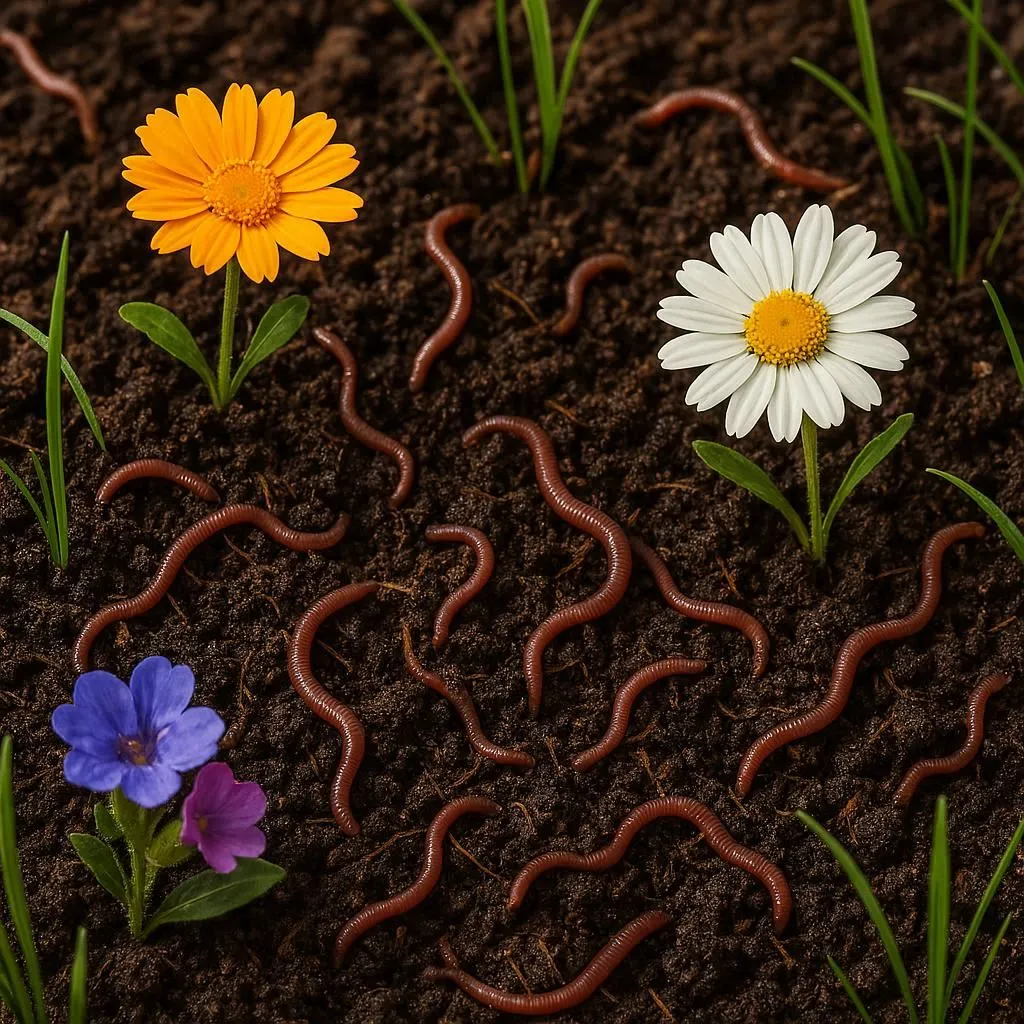
Ready to dig deep into the dirt — literally? This post is packed with soil trivia questions and answers that’ll turn even the most casual gardener into a certified soil nerd. From loamy laughs to muddy mysteries, we’re unearthing fun facts about the ground beneath your feet.
Whether you’re a farmer, a science teacher, or just someone who thinks compost is cool, these soil-themed questions will keep your curiosity growing.
So grab your shovel (or just your brain) and let’s get gritty with some earthy knowledge!
What Is Soil
Soil is a mixture of minerals, organic matter, air, and water. It forms over many years through the weathering of rocks and the decomposition of plants and animals.
Healthy soil is essential for agriculture, forests, and maintaining ecological balance.
Types of Soil
There are different types of soil, each with unique characteristics:
- Sandy soil – drains water quickly
- Clay soil – holds water for longer
- Silt soil – smooth and fertile
- Loamy soil – best for plant growth
Why Soil Trivia Is Important
Soil trivia helps people:
- Understand the importance of soil
- Learn about agriculture and environment
- Improve knowledge in science subjects
- Make learning fun and interactive
Soil Trivia Questions and Answers
1. What is soil mainly composed of?
A) Only sand
B) Minerals, organic matter, air, and water
C) Only water
D) Only rocks
Correct Answer: B) Minerals, organic matter, air, and water
Explanation: Soil is a complex mixture that includes minerals, decomposed organic material, water, and air.
2. Which layer of soil is the topmost layer?
A) Bedrock
B) Subsoil
C) Topsoil
D) Parent material
Correct Answer: C) Topsoil
Explanation: Topsoil (A-horizon) is the uppermost layer rich in nutrients and organic matter.
3. What gives soil its dark color?
A) Water
B) Sand
C) Humus
D) Air
Correct Answer: C) Humus
Explanation: Humus is decomposed organic matter that enriches soil and gives it a darker color.
4. Which type of soil has the largest particles?
A) Clay
B) Silt
C) Sand
D) Loam
Correct Answer: C) Sand
Explanation: Sandy soil has large particles, making it well-draining but less able to hold nutrients.
5. What is the process of soil formation called?
A) Erosion
B) Weathering
C) Deposition
D) Evaporation
Correct Answer: B) Weathering
Explanation: Soil forms over time through weathering of rocks and accumulation of organic material.
6. Which soil type holds water the best?
A) Sand
B) Clay
C) Gravel
D) Loam
Correct Answer: B) Clay
Explanation: Clay has very fine particles, allowing it to retain water effectively.
7. What is loam soil?
A) Only sand
B) Only clay
C) A mixture of sand, silt, and clay
D) Pure organic matter
Correct Answer: C) A mixture of sand, silt, and clay
Explanation: Loam is ideal for plant growth because it balances drainage and nutrient retention.
8. What do earthworms do for soil?
A) Dry it out
B) Make it infertile
C) Improve aeration and fertility
D) Remove nutrients
Correct Answer: C) Improve aeration and fertility
Explanation: Earthworms help mix soil and increase oxygen and nutrient availability.
9. What is soil erosion?
A) Soil formation
B) Soil being moved away by wind or water
C) Soil turning into rock
D) Soil becoming fertile
Correct Answer: B) Soil being moved away by wind or water
Explanation: Erosion removes topsoil, often reducing soil fertility.
10. Which soil horizon contains the most organic material?
A) A-horizon
B) B-horizon
C) C-horizon
D) Bedrock
Correct Answer: A) A-horizon
Explanation: The A-horizon (topsoil) contains the highest amount of organic matter.
11. What is the main role of soil for plants?
A) Provide light
B) Provide support and nutrients
C) Produce oxygen
D) Create seeds
Correct Answer: B) Provide support and nutrients
Explanation: Soil anchors plant roots and supplies water and essential nutrients.
12. Which factor affects soil formation?
A) Climate
B) Organisms
C) Parent material
D) All of the above
Correct Answer: D) All of the above
Explanation: Soil formation depends on multiple factors including climate, organisms, and original rock material.
13. What is pH in soil?
A) Temperature level
B) Acidity or alkalinity level
C) Water content
D) Air pressure
Correct Answer: B) Acidity or alkalinity level
Explanation: Soil pH determines how acidic or alkaline the soil is, affecting plant growth.
14. Which soil type is best for farming?
A) Sandy soil
B) Clay soil
C) Loam soil
D) Rocky soil
Correct Answer: C) Loam soil
Explanation: Loam is considered the best soil for agriculture due to its balanced properties.
15. What happens if soil lacks nutrients?
A) Plants grow faster
B) Plants struggle to grow
C) Soil becomes water
D) Soil turns into sand
Correct Answer: B) Plants struggle to grow
Explanation: Without essential nutrients, plants cannot grow properly.
16. What is compost?
A) Chemical fertilizer
B) Decomposed organic waste used to enrich soil
C) Sand mixture
D) Rock material
Correct Answer: B) Decomposed organic waste used to enrich soil
Explanation: Compost improves soil fertility and structure.
17. Which gas is found in soil air?
A) Oxygen
B) Nitrogen
C) Carbon dioxide
D) All of the above
Correct Answer: D) All of the above
Explanation: Soil contains a mix of gases important for root and microbial activity.
18. What is the bottom layer of soil called?
A) Topsoil
B) Subsoil
C) Bedrock
D) Humus
Correct Answer: C) Bedrock
Explanation: Bedrock is the solid rock layer beneath all soil horizons.
19. What type of soil drains water quickly?
A) Clay
B) Sand
C) Loam
D) Silt
Correct Answer: B) Sand
Explanation: Sandy soil has large particles that allow water to pass through easily.
20. Why is soil important for the environment?
A) It only holds water
B) It supports plant life and ecosystems
C) It creates weather
D) It produces electricity
Correct Answer: B) It supports plant life and ecosystems
Explanation: Soil is essential for growing plants, which support ecosystems and life on Earth.
Read Also:100+ Wisconsin Trivia Questions and Answers
Simple Soil Trivia Questions and Answers

1. What percentage of soil is typically made up of minerals?
A) 10%
B) 25%
C) 45%
D) 70%
Correct Answer: C) 45%
Explanation: On average, soil contains about 45% mineral particles, along with organic matter, water, and air.
2. Which soil particle size is between sand and clay?
A) Gravel
B) Silt
C) Pebble
D) Dust
Correct Answer: B) Silt
Explanation: Silt particles are medium-sized and help soil retain moisture better than sand.
3. What is the B-horizon commonly known as?
A) Topsoil
B) Subsoil
C) Bedrock
D) Organic layer
Correct Answer: B) Subsoil
Explanation: The B-horizon lies below topsoil and contains minerals leached from above.
4. What process removes nutrients from topsoil?
A) Photosynthesis
B) Leaching
C) Germination
D) Respiration
Correct Answer: B) Leaching
Explanation: Leaching occurs when water carries nutrients deeper into the soil layers.
5. Which organism helps decompose organic matter in soil?
A) Fish
B) Bacteria
C) Birds
D) Reptiles
Correct Answer: B) Bacteria
Explanation: Soil bacteria break down organic materials into nutrients plants can use.
6. What is the main purpose of soil texture?
A) Determine color
B) Describe particle size and feel
C) Measure temperature
D) Identify minerals only
Correct Answer: B) Describe particle size and feel
Explanation: Soil texture refers to the proportions of sand, silt, and clay.
7. Which soil type is most prone to erosion?
A) Clay
B) Sandy soil
C) Loam
D) Peat
Correct Answer: B) Sandy soil
Explanation: Sandy soil has loose particles that are easily carried away by wind or water.
8. What is soil compaction?
A) Soil becoming loose
B) Soil becoming tightly packed
C) Soil turning into rock
D) Soil losing nutrients
Correct Answer: B) Soil becoming tightly packed
Explanation: Compaction reduces air space, making it harder for roots to grow.
9. Which nutrient is essential for plant growth and found in soil?
A) Nitrogen
B) Oxygen
C) Hydrogen
D) Helium
Correct Answer: A) Nitrogen
Explanation: Nitrogen is a key nutrient that helps plants grow leaves and stems.
10. What is the main function of soil microorganisms?
A) Produce light
B) Break down organic matter
C) Increase temperature
D) Remove water
Correct Answer: B) Break down organic matter
Explanation: Microorganisms recycle nutrients by decomposing dead material.
11. Which soil type cracks when it dries?
A) Clay
B) Sand
C) Silt
D) Loam
Correct Answer: A) Clay
Explanation: Clay soil shrinks and forms cracks when it loses moisture.
12. What is the C-horizon made of?
A) Organic material
B) Weathered parent material
C) Pure clay
D) Water only
Correct Answer: B) Weathered parent material
Explanation: The C-horizon consists of partially broken-down rock.
13. Which farming method helps prevent soil erosion?
A) Overgrazing
B) Crop rotation
C) Deforestation
D) Burning land
Correct Answer: B) Crop rotation
Explanation: Crop rotation improves soil structure and reduces erosion risk.
14. What is the main role of roots in soil?
A) Absorb nutrients and anchor plants
B) Produce oxygen
C) Create soil layers
D) Break rocks
Correct Answer: A) Absorb nutrients and anchor plants
Explanation: Roots take in water and nutrients while stabilizing plants in the soil.
15. Which soil property affects water movement?
A) Texture
B) Color
C) Smell
D) Temperature
Correct Answer: A) Texture
Explanation: Soil texture determines how quickly water drains or is retained.
16. What type of soil is rich in organic material?
A) Sandy soil
B) Clay soil
C) Peaty soil
D) Rocky soil
Correct Answer: C) Peaty soil
Explanation: Peaty soil contains a high amount of decomposed plant material.
17. What is soil fertility?
A) Soil color
B) Ability to support plant growth
C) Soil depth
D) Soil temperature
Correct Answer: B) Ability to support plant growth
Explanation: Fertile soil provides nutrients needed for healthy plants.
18. Which environmental factor can damage soil quality?
A) Balanced rainfall
B) Pollution
C) Healthy plants
D) Moderate climate
Correct Answer: B) Pollution
Explanation: Pollution can reduce soil fertility and harm ecosystems.
19. What is irrigation?
A) Removing soil
B) Adding water to soil
C) Drying soil
D) Cleaning soil
Correct Answer: B) Adding water to soil
Explanation: Irrigation helps supply water to crops in dry conditions.
20. Why is soil conservation important?
A) To reduce plant growth
B) To protect soil from damage and loss
C) To remove nutrients
D) To increase erosion
Correct Answer: B) To protect soil from damage and loss
Explanation: Soil conservation ensures long-term fertility and supports ecosystems.
Read Also:276+ Washington Trivia Questions and Answers
Fun Soil Trivia Questions and Answers
1. Question: What is the term for soil that’s rich in nutrients and perfect for growing crops?
Answer: Fertile soil
Fun Fact: Fertile soil is basically nature’s superfood buffet for plants—every root gets VIP access!
2. Question: Which soil type has very fine particles, retains water well, but can become sticky when wet?
Answer: Clay
Fun Fact: Great for pots, terrible for walking barefoot—squishy squelch guaranteed!
3. Question: Which soil type is gritty, drains quickly, and rarely holds nutrients well?
Answer: Sandy soil
Fun Fact: It’s the overachiever at drainage but forgets to bring the nutrients to the party.
4. Question: What is the layer of soil that forms naturally on top of bedrock called?
Answer: Regolith
Fun Fact: Think of it as the crumbly carpet over solid rock—nature’s version of insulation.
5. Question: Which tiny soil particles are so fine they feel silky between your fingers?
Answer: Silt
Fun Fact: Silt is like the soft-spoken poet of soils—smooth, elegant, and easygoing.
6. Question: Which soil-forming process involves organic material breaking down to enrich the soil?
Answer: Humification
Fun Fact: Leaves, plants, and bugs join forces—turning decay into pure plant power!
7. Question: What is the main gas found in soil that plants need to grow?
Answer: Oxygen
Fun Fact: Roots are like tiny scuba divers—they need air pockets to breathe underground.
8. Question: Which soil horizon is dark, rich in organic material, and essential for plant growth?
Answer: A-horizon (Topsoil)
Fun Fact: Topsoil is the VIP floor for roots—where the underground magic happens.
9. Question: Which natural disaster can strip fertile soil away in a flash?
Answer: Erosion
Fun Fact: Wind, water, and humans team up—gone are your soil’s nutrients, like magic… poof!
10. Question: Which component of soil improves water retention and helps plants grow?
Answer: Organic matter
Fun Fact: Think compost, decayed leaves, and other plant goodies—like dessert for soil.
11. Question: Which soil layer lies just above bedrock and below the subsoil?
Answer: Parent material
Fun Fact: This is where the soil’s ancestors chill, passing down minerals to the generations above.
12. Question: What term describes the arrangement of soil particles into clumps or crumbs?
Answer: Soil structure
Fun Fact: Good structure = happy roots. Bad structure = root tantrums.
13. Question: Which soil type is a mix of sand, silt, and clay, perfect for gardens?
Answer: Loam
Fun Fact: Loam is basically soil’s version of a balanced diet—roots love it!
14. Question: What’s the name for the water that clings tightly to soil particles and is hard for plants to access?
Answer: Hygroscopic water
Fun Fact: Soil’s “clingy ex” water—roots can’t get a hold no matter how hard they try.
15. Question: Which organisms in soil help break down dead plants and animals into nutrients?
Answer: Decomposers
Fun Fact: Earthworms, bacteria, and fungi are the ultimate soil chefs—serving up organic goodness.
16. Question: Which process moves soil particles from one place to another via wind or water?
Answer: Soil erosion
Fun Fact: The ultimate soil travel agency—sometimes fun, sometimes devastating.
17. Question: What do you call soil that’s compacted so tightly that roots struggle to grow?
Answer: Hardpan
Fun Fact: Hardpan = underground concrete. Roots hate it, gardeners cry over it.
18. Question: Which soil type is rich, black, and often considered the most fertile for crops?
Answer: Loamy or humus-rich soil
Fun Fact: Dark, nutrient-packed, and loved by farmers—basically soil’s version of chocolate cake.
19. Question: Which soil component is made of decayed plant material and gives soil a dark color?
Answer: Humus
Fun Fact: The more humus, the happier your plants—nature’s secret sauce!
20. Question: Which tiny creatures aerate soil and make it fluffy for better plant growth?
Answer: Earthworms
Fun Fact: Garden gym instructors! They churn soil like little fitness pros for roots.
Read Also:166+ Tractor Puns
Easy Soil Trivia Questions and Answers

1. Question: Soil isn’t just ground-up rock; it’s a mix of four main ingredients. If two of the ingredients are mineral matter and water, what are the other two essential components that make soil “alive”?
Answer: Air and Organic Matter
Fun Fact: A good, healthy soil is about 50% air and water combined. Your plants are literally drinking and breathing through the ground!
2. Question: The process of breaking down massive rocks into the tiny particles that form soil is known by a specific geological term. What is this slow, relentless process?
Answer: Weathering
Fun Fact: Weathering is the ultimate slow-burn action movie: it takes thousands of years, but eventually, the wind and water always win!
3. Question: When you look at a cross-section of soil, you see distinct horizontal layers called horizons. What is the name of the dark, uppermost layer, rich in decaying organic matter and humus, where most plants thrive?
Answer: The O Horizon (or Organic Horizon)
Fun Fact: This thin layer is like the VIP section of the soil club—it’s where all the decomposition and nutrient cycling happens!
4. Question: Soil formation is incredibly slow. Approximately how long can it take for nature to create just one inch of fertile topsoil?
Answer: 500 to 1,000 years
Fun Fact: That makes the thin layer of soil under your feet a truly non-renewable resource—better treat it like the treasure it is!
5. Question: Soil texture is determined by the size of the mineral particles. Which of the three main soil components (sand, silt, or clay) has the smallest particle size, making it sticky and great for pottery?
Answer: Clay
Fun Fact: If you roll clay soil in your hand, it feels smooth and can easily form a ribbon. It’s the play-doh of the dirt world!
6. Question: Which type of soil particle is medium-sized—smaller than sand but larger than clay—giving the soil a smooth, almost powdery, or flour-like feel when dry?
Answer: Silt
Fun Fact: Silt is often found in riverbeds and is incredibly fertile, but it’s easily washed away by wind and water, leading to erosion.
7. Question: The gold standard for farming is a soil type that contains a relatively equal mix of sand, silt, and clay, offering the best drainage and water retention. What is this perfect mix called?
Answer: Loam
Fun Fact: Gardeners always chase the mythical “perfect loam.” It’s the soil equivalent of winning the gardening lottery!
8. Question: If you gathered all the living organisms in a patch of healthy soil, which organism would make up the greatest mass? A) Earthworms B) Fungi C) Bacteria
Answer: C) Bacteria
Fun Fact: A single teaspoon of healthy soil can contain more microorganisms than there are people on Earth! Now that’s a crowded house!
9. Question: Which famous soil invertebrate acts as nature’s tiny tiller, eating its way through the dirt and leaving behind beneficial nutrient-rich deposits called “castings”?
Answer: The Earthworm
Fun Fact: Aristotle called earthworms the “intestines of the earth”—which is a gross, but totally accurate, description of their vital role!
10. Question: Which vital soil organism forms a symbiotic relationship with plant roots, helping the roots absorb water and nutrients in exchange for sugars?
Answer: Fungi (specifically Mycorrhizal Fungi)
Fun Fact: The network of fungal threads underground is sometimes called the “Wood Wide Web” because it connects and shares resources between different plants!
11. Question: What primary element, when abundant in soil, gives it a distinct red or rusty color?
Answer: Iron (specifically oxidized iron)
Fun Fact: Red soil often indicates that the area is well-drained, meaning the soil particles have plenty of exposure to oxygen.
12. Question: The pH scale measures the acidity or alkalinity of soil. What is the precise pH number considered perfectly neutral, meaning it is neither acidic nor alkaline?
Answer: 7.0
Fun Fact: Most garden plants prefer a slightly acidic to neutral soil, somewhere between 6.0 and 7.0.
13. Question: The darkest, richest soil color usually indicates the presence of a high amount of what essential, carbon-rich material?
Answer: Humus (well-decomposed organic matter)
Fun Fact: Dark soil absorbs more solar energy, warming up faster in the spring—a neat trick for early crop growth!
14. Question: What is the technical term for the study of soil, including its formation, classification, and uses?
Answer: Pedology
Fun Fact: The word comes from the Greek pedon, meaning “ground” or “earth.” It’s basically the cool science of dirt!
15. Question: What is the term for soil that has been blown into its current location by the wind?
Answer: Aeolian soil (or Loess)
Fun Fact: The famous, fertile loess soils of the Midwest U.S. were actually carried there by ancient winds that blew across North America after the glaciers melted!
16. Question: What geological feature is formed when water and wind carry away soil, often removing the precious topsoil layer?
Answer: Erosion
Fun Fact: The Dust Bowl of the 1930s was the most famous and devastating example of wind erosion in U.S. history.
17. Question: What is the process called where microorganisms in the soil convert atmospheric nitrogen into usable forms that plants can absorb through their roots?
Answer: Nitrogen Fixation
Fun Fact: It’s an essential, natural process that saves farmers billions of dollars by creating free fertilizer!
18. Question: What famous structure in Washington, D.C., was built on a swampy patch of ground, causing it to famously sink and require extensive foundation work?
Answer: The Lincoln Memorial (or the Capitol Building, depending on the focus)
Fun Fact: Much of the soil around the National Mall is reclaimed swamp and fill dirt, which is why everything there seems to be slowly sinking!
19. Question: Which common beverage has a natural flavor profile that is highly influenced by the minerals and composition of the soil (the terroir) where its ingredients are grown?
Answer: Wine (or Coffee)
Fun Fact: The French term terroir is used to describe how the specific soil, climate, and geography of a place influence the taste of grapes and wine!
20. Question: What is the name of the incredibly fertile, dark-colored soil that makes up the vast majority of the “Great Plains” region of the U.S. and Canada?
Answer: Chernozem
Fun Fact: “Chernozem” is Russian for “black earth,” and it’s considered one of the best soils in the world for growing grain crops!
Hard Soil Trivia Questions and Answers

1. Question: What are the three main components of soil?
Answer: Minerals, organic matter, and air/water
Fun Fact: Soil is like a smoothie—part rock, part plant smoothie, and a splash of air and water all mixed perfectly!
2. Question: What organic material in soil contributes most to its dark appearance?
Answer: Humus
Fun Fact: Humus is basically compost’s cool, mature cousin hanging out underground!
3. Question: Which soil texture drains water the fastest?
Answer: Sandy soil
Fun Fact: Sand’s speedy drainage makes it the Usain Bolt of soils—but plants might get thirsty!
4. Question: Approximately how many microorganisms can be found in a teaspoon of healthy soil?
Answer: Billions
Fun Fact: If soil was a city, microorganisms would be the busy citizens throwing a never-ending party!
5. Question: What is the topmost soil layer called?
Answer: Topsoil
Fun Fact: Topsoil is the VIP lounge for plant roots and creepy crawlies alike!
6. Question: What part of the plant interacts most directly with the soil?
Answer: Roots
Fun Fact: Roots are like underground straws, sucking up all the good stuff soil provides.
7. Question: What pH level range is considered neutral for soil?
Answer: Around 7
Fun Fact: Soil isn’t a drama queen—it likes to keep things neutral, not too sour or too basic!
8. Question: What natural event is a major cause of soil erosion?
Answer: Water runoff
Fun Fact: Raindrops might seem gentle, but over time, they’re earth’s sneaky erasers!
9. Question: How do earthworms benefit soil?
Answer: They aerate the soil and help decompose organic matter
Fun Fact: Earthworms are nature’s little tillers—turning soil faster than a smoothie blender!
10. Question: Which nutrient is often referred to as the ‘building block’ of plant proteins?
Answer: Nitrogen
Fun Fact: Nitrogen’s like the protein shake for plants—helps them grow big and strong!
11. Question: What soil type retains the most water?
Answer: Clay soil
Fun Fact: Clay soil is a bit of a water hog — great if you want your plants to chill, not so hot if they hate soggy feet!
12. Question: What ancient building material is made from soil mixed with water and straw?
Answer: Adobe
Fun Fact: Adobe buildings are like Earth’s original eco-friendly homes!
13. Question: Peat is primarily made up of what?
Answer: Partially decayed plant material
Fun Fact: Peat is like Earth’s slow cooker — breaking down plants over centuries!
14. Question: What does compacted soil reduce that plants need to breathe?
Answer: Air spaces
Fun Fact: Plants need to breathe too—compacted soil is like a stuffy room for them!
15. Question: What is the study of soil called?
Answer: Pedology
Fun Fact: Pedology isn’t about feet, it’s about fascinating dirt discoveries!
16. Question: Compared to air, does soil temperature usually change more slowly or more quickly?
Answer: More slowly
Fun Fact: Soil is like a cozy thermal blanket keeping roots snug.
17. Question: What process breaks down organic matter in soil?
Answer: Decomposition
Fun Fact: Thanks to decomposition, yesterday’s leaves are tomorrow’s nutrients!
18. Question: Why are soils in tropical rainforests often nutrient-poor?
Answer: Heavy rains wash nutrients away quickly
Fun Fact: The Amazon’s lushness depends on rapid nutrient recycling — a nonstop soil party!
19. Question: Which soil horizon is mostly made of weathered rock?
Answer: The C horizon
Fun Fact: Think of the C horizon as soil’s rocky basement!
20. Question: What is one way healthy soil helps the environment?
Answer: By storing carbon and reducing greenhouse gases
Fun Fact: Soil is literally grounding our planet’s climate fight—talk about hidden hero status!
Best Soil Trivia Questions and Answers
1. Question: Which type of soil is often red due to iron oxide?
Answer: Laterite
Fun Fact: Laterite soil is basically the Mars of Earth—rusty, rugged, and full of tropical flavor!
2. Question: What soil component gives it the ability to hold water and nutrients well?
Answer: Clay
Fun Fact: Clay acts like a sponge and a nutrient bank at the same time—tiny but mighty!
3. Question: What is loam soil best known for?
Answer: Balanced texture and fertility
Fun Fact: Loam is the “Goldilocks” of soils—not too sandy, not too clayey, just right for gardening!
4. Question: What is the term for soil carried and deposited by rivers?
Answer: Alluvial soil
Fun Fact: Alluvial soil is the natural VIP of agriculture—delivering nutrients straight from upstream!
5. Question: Which tiny soil organisms help fix nitrogen from the air into a form plants can use?
Answer: Bacteria (e.g., Rhizobium)
Fun Fact: These microbes are like nature’s free fertilizer factory!
6. Question: What’s the main reason sandy soils are considered “light” soils?
Answer: Large particle size and poor water retention
Fun Fact: They’re the fast-food fries of soil—quick drainage, but not very filling for plants!
7. Question: Which soil horizon lies just below topsoil and often accumulates leached minerals?
Answer: B horizon (Subsoil)
Fun Fact: Subsoil is like soil’s basement—less glamour, more heavy lifting!
8. Question: What soil type is rich in organic matter and usually found in wetlands?
Answer: Peat soil
Fun Fact: Peat is basically the soil’s slow-motion compost—decades in the making!
9. Question: Which gas is produced by decomposing organic matter in poorly aerated soils?
Answer: Methane
Fun Fact: Not just stinky, it’s also a greenhouse gas, so soil really is multitasking!
10. Question: Which human activity can lead to soil salinization, making it less fertile?
Answer: Over-irrigation
Fun Fact: Too much water without proper drainage leaves salts behind—plants hate it!
11. Question: What do we call soils that develop from volcanic ash?
Answer: Andisols
Fun Fact: These soils are fertile as heck—thank you, volcanoes, for dessert and dirt!
12. Question: What is soil texture a measure of?
Answer: The relative proportions of sand, silt, and clay
Fun Fact: Soil texture is like a smoothie recipe—too much of one ingredient changes the taste (and drainage!).
13. Question: Which element is essential for chlorophyll and often supplemented in soil fertilizers?
Answer: Magnesium
Fun Fact: Magnesium is literally what keeps plants looking green and fabulous!
14. Question: What process moves soil downhill under the influence of gravity?
Answer: Mass wasting (or soil creep)
Fun Fact: Slow-motion soil sliding—nature’s sneaky reshaping of landscapes!
15. Question: Which soil type is sticky when wet, hard when dry, and often found in river valleys?
Answer: Clay
Fun Fact: It’s a drama queen—love it or hate it, you can’t ignore it!
16. Question: What is the main cause of desertification?
Answer: Deforestation and overgrazing
Fun Fact: Without plants to hold it together, soil just says “bye-bye” to fertility!
17. Question: Which ancient civilization famously used Nile River silt for their agriculture?
Answer: Egyptians
Fun Fact: The Pharaohs basically had premium all-you-can-eat soil subscriptions!
18. Question: What term describes soil particles suspended in water that eventually settle?
Answer: Sediment
Fun Fact: Sediment is like soil’s slow-motion snow globe—shake it up, wait, watch it settle!
19. Question: Which soil horizon is primarily composed of parent rock material?
Answer: R horizon
Fun Fact: Think of it as the soil’s great-grandparent—hard, ancient, and foundational!
20. Question: What is the practice of adding organic matter to soil to improve fertility?
Answer: Composting
Fun Fact: Composting is basically turning yesterday’s leftovers into tomorrow’s salad—soil style!
Tricky Soil Trivia Questions and Answers
1. Question: What is the term for soil that has been blown and deposited by wind?
Answer: Aeolian soil
Fun Fact: These soils travel more than most humans do in a lifetime—Mother Nature’s little nomads!
2. Question: Which soil type is rich in iron and aluminum oxides, giving it a reddish color?
Answer: Laterite
Fun Fact: Laterite soil is basically Earth’s version of a rusty robot—hot, tropical, and full of minerals!
3. Question: What do we call the tiny, decayed plant and animal material in soil that enriches it?
Answer: Organic matter
Fun Fact: Organic matter is like the chocolate chips in the cookie dough of soil—small but makes everything better!
4. Question: Which soil-forming factor involves living organisms breaking down rock and organic matter?
Answer: Biological activity
Fun Fact: Worms, bacteria, fungi—soil’s own underground Avengers!
5. Question: What is the term for the washing away of topsoil by water?
Answer: Leaching
Fun Fact: Soil nutrients can vanish like socks in a dryer—thanks to leaching!
6. Question: Which soil property measures how easily water can flow through it?
Answer: Permeability
Fun Fact: Sandy soils are like water slides, while clay soils are more like molasses in January!
7. Question: What type of soil forms in arid regions and often contains high salt concentrations?
Answer: Desert soil (Aridisol)
Fun Fact: Desert soils are salty like a bag of chips—plants need extra hydration to survive!
8. Question: Which soil particle size is the largest?
Answer: Sand
Fun Fact: Sand grains are the bodybuilders of soil—they make it gritty and give great drainage!
9. Question: Which soil horizon is richest in minerals leached from above layers?
Answer: B horizon (Subsoil)
Fun Fact: Subsoil is like the nutrient pantry for deep roots—less flashy, more functional!
10. Question: What process involves the gradual breaking down of rocks to form soil?
Answer: Weathering
Fun Fact: Rock has patience—millions of years, and voila: dirt!
11. Question: Which soil amendment improves water retention in sandy soils?
Answer: Organic compost
Fun Fact: Compost is the ultimate soil moisturizer—plants love a spa day too!
12. Question: What gas, vital for root respiration, fills the tiny pores in soil?
Answer: Oxygen
Fun Fact: Roots breathe through soil—tiny lungs underground keeping plants alive!
13. Question: Which soil type is most common in river valleys and floodplains?
Answer: Alluvial soil
Fun Fact: It’s basically a nutrient buffet brought straight by rivers—plants dine like royalty!
14. Question: What soil component is responsible for soil acidity or alkalinity?
Answer: pH
Fun Fact: Soil pH is the mood ring for your garden—too sour or too bitter, plants throw tantrums!
15. Question: Which process compacts soil and reduces pore space?
Answer: Soil compaction
Fun Fact: Walk too much on wet soil, and it’s like stepping on a sponge—sorry, plants!
16. Question: Which type of soil is black and extremely fertile, often called “black earth”?
Answer: Chernozem
Fun Fact: Chernozem is the soil equivalent of a five-star buffet for crops!
17. Question: What term describes soil that has been transported by glaciers?
Answer: Glacial till
Fun Fact: Ice sheets are basically soil Uber drivers, dropping deposits as they melt!
18. Question: Which soil horizon contains the least organic material?
Answer: C horizon
Fun Fact: The C horizon is soil’s basement—rocky, reserved, and low on social life!
19. Question: Which living soil organisms create tiny tunnels that help aerate it?
Answer: Earthworms
Fun Fact: Earthworms are underground construction crews—digging, fertilizing, and keeping things breathable!
20. Question: What is the term for soil that has been enriched naturally by volcanic ash?
Answer: Andisol
Fun Fact: Volcanic soils are like nature’s superfood—fertile, rich, and perfect for veggies!
Fun Facts About Soil
- It can take hundreds of years to form just one inch of soil
- Soil contains billions of microorganisms
- Earthworms improve soil structure and fertility
- Soil helps filter water naturally
- Different plants grow better in different soil types
- Soil stores carbon and helps fight climate change
Frequently Asked Questions About Soil Trivia
1. What are Soil Trivia Questions?
Soil trivia questions are quiz questions about soil types, formation, layers, and importance.
2. Why is soil important?
Soil supports plant life, stores nutrients, and maintains ecological balance.
3. What are the main types of soil?
The main types are sandy, clay, silt, and loamy soil.
4. What is the best soil for farming?
Loamy soil is considered the best for farming because it holds nutrients and water well.
5. What is topsoil?
Topsoil is the uppermost layer of soil rich in organic matter and nutrients.
6. What causes soil erosion?
Wind, water, and human activities can cause soil erosion.
7. What is humus in soil?
Humus is decomposed organic matter that makes soil fertile.
8. How can soil fertility be improved?
By adding compost, fertilizers, and organic matter.
9. What role do earthworms play?
Earthworms help aerate soil and improve its structure.
10. Why is soil important for the environment?
Soil supports ecosystems, stores carbon, and helps filter water.
11. What is soil pH?
Soil pH measures how acidic or alkaline the soil is.
12. Can soil be reused?
Yes, soil can be improved and reused with proper care and nutrients.
13. Why is loamy soil ideal?
Because it balances drainage, nutrients, and moisture.
14. How long does soil take to form?
It can take hundreds to thousands of years to form soil.
15. Why is soil conservation important?
Soil conservation prevents erosion and protects the environment.
Final Thoughts
And there you have it — soil trivia questions that prove dirt isn’t just dirt… it’s a whole underground universe of fascinating facts, funky microbes, and muddy mysteries.
Whether you’re a gardening guru, a science teacher, or just someone who enjoys digging into weird knowledge, we hope this earthy adventure kept your curiosity growing.
So go ahead, share it with your fellow soil nerds, challenge your compost-loving friends, and remember: the deeper you dig, the cooler it gets.
Stay grounded and keep those trivia roots strong!
Read Also:
Best Laundry Captions for Instagram
330+ Hoe Captions for Instagram
300+ Best Barcelona Captions for Instagram
400+ Nebraska Instagram Captions
135+ Fun Civil War Trivia Questions and Answers
117+ Fun Biology Trivia Questions and Answers