
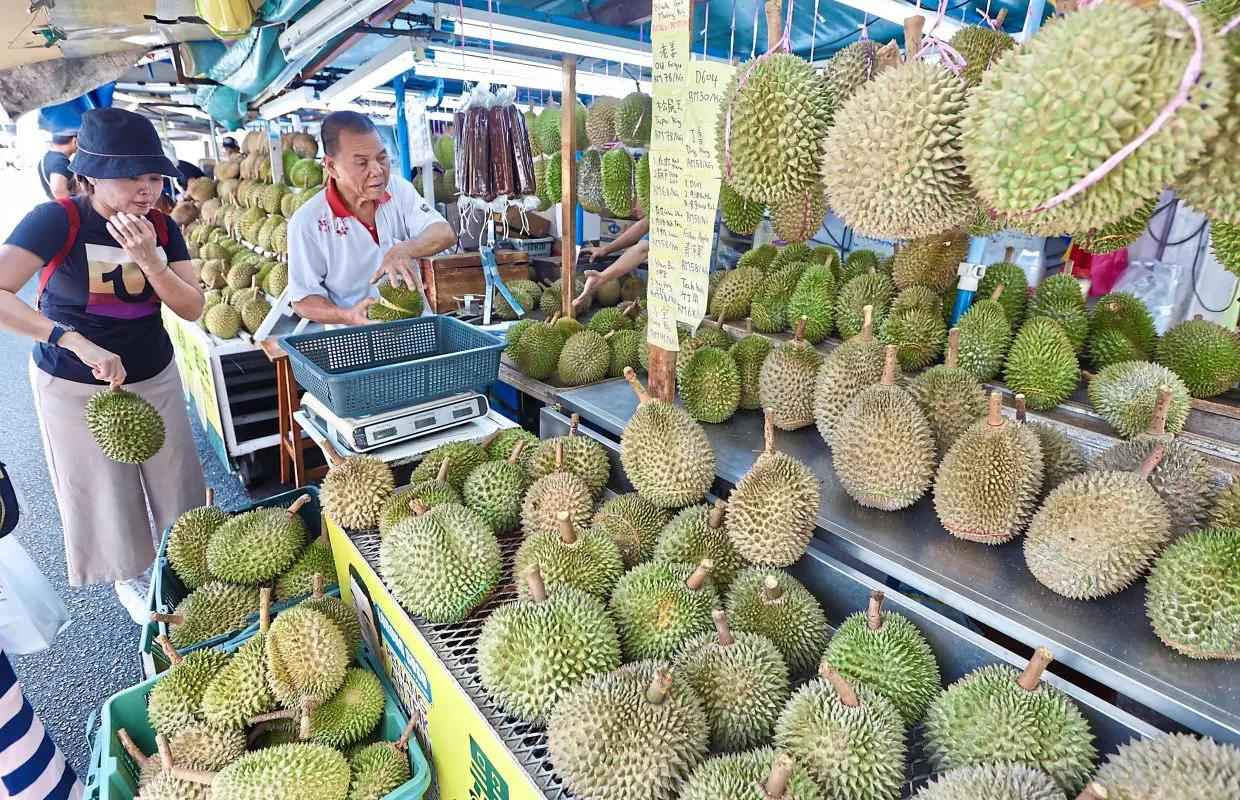
Food is full of surprises, and some of the world’s most unusual dishes, ingredients, and eating traditions are stranger and more fascinating than you might expect. From bizarre food combinations and rare delicacies to unique culinary customs and unexpected facts, weird food trivia offers a fun way to explore the unusual side of what people eat around the globe.
This collection of weird food trivia questions and answers covers a variety of fascinating topics, including strange ingredients, unusual recipes, international food traditions, surprising food origins, and little-known culinary facts. With a mix of easy, medium, and challenging questions, this trivia is perfect for food lovers, curious minds, students, and anyone who enjoys discovering something unexpected.
Get ready to test your knowledge, uncover surprising food facts, and explore some of the weirdest and most interesting flavors from around the world. Perfect for parties, quiz nights, classroom activities, or casual fun, these weird food trivia questions and answers will bring excitement and curiosity to every challenge.
Weird Food Trivia Questions and Answers
1. Which fruit is known as the “king of fruits” but has a famously strong smell?
A) Mango
B) Durian
C) Pineapple
D) Papaya
Answer: B) Durian ✅
Explanation: Durian is called the “king of fruits” in many Southeast Asian countries, but its powerful odor is so strong that it is banned in some hotels and public transportation areas.
2. Which unusual food is made from fermented soybeans and has a sticky texture?
A) Tofu
B) Natto
C) Miso
D) Tempeh
Answer: B) Natto ✅
Explanation: Natto is a Japanese food made from fermented soybeans. It has a slimy texture and a strong flavor that many people find unusual.
3. Which country is famous for eating fried tarantulas as a snack?
A) Cambodia
B) Italy
C) Canada
D) Brazil
Answer: A) Cambodia ✅
Explanation: Fried tarantulas are considered a traditional snack in parts of Cambodia and are often sold by street vendors.
4. What strange ingredient is sometimes used in traditional Chinese bird’s nest soup?
A) Seaweed
B) Bird saliva nests
C) Insect powder
D) Fish scales
Answer: B) Bird saliva nests ✅
Explanation: Bird’s nest soup is made from nests created using edible bird saliva, which hardens into a jelly-like material.
5. Which cheese is famous for containing live insect larvae?
A) Cheddar
B) Casu marzu
C) Brie
D) Gouda
Answer: B) Casu marzu ✅
Explanation: Casu marzu is a Sardinian cheese that traditionally contains live cheese fly larvae, giving it a unique texture.
6. Which unusual drink is made from fermented mare’s milk?
A) Kumis
B) Espresso
C) Chai
D) Bubble tea
Answer: A) Kumis ✅
Explanation: Kumis is a fermented dairy drink traditionally made from mare’s milk and consumed in parts of Central Asia.
7. Which food is made from a fungus that grows on corn kernels?
A) Truffle
B) Huitlacoche
C) Mushroom soup
D) Yeast bread
Answer: B) Huitlacoche ✅
Explanation: Huitlacoche, also called corn smut, is a fungus that grows on corn and is considered a delicacy in Mexican cuisine.
8. Which unusual pizza topping has been popular in some countries?
A) Chocolate
B) Banana
C) Both A and B
D) Vanilla ice cream
Answer: C) Both A and B ✅
Explanation: Some creative pizzas include sweet toppings like chocolate or banana, showing how different food cultures experiment with flavors.
9. What is “rocky mountain oysters” actually made from?
A) Shellfish
B) Fish eggs
C) Animal testicles
D) Mushrooms
Answer: C) Animal testicles ✅
Explanation: Despite the name, rocky mountain oysters are not seafood. They are usually deep-fried animal testicles, especially from cattle.
10. Which fruit has seeds on the outside instead of inside?
A) Strawberry
B) Apple
C) Orange
D) Grape
Answer: A) Strawberry ✅
Explanation: Strawberries are unusual because the small “seeds” on their surface are actually individual fruits called achenes.
11. Which unusual food is made by aging shark meat?
A) Sushi
B) Hákarl
C) Kimchi
D) Falafel
Answer: B) Hákarl ✅
Explanation: Hákarl is an Icelandic delicacy made from fermented Greenland shark meat, known for its strong ammonia-like smell.
12. Which insect is commonly eaten as food in many countries?
A) Crickets
B) Butterflies only
C) Mosquitoes
D) Flies only
Answer: A) Crickets ✅
Explanation: Crickets are eaten in many cultures and are considered a protein-rich food source.
13. What strange type of coffee is made using beans eaten and passed through an animal’s digestive system?
A) Cappuccino
B) Kopi luwak
C) Latte
D) Mocha
Answer: B) Kopi luwak ✅
Explanation: Kopi luwak is made from coffee cherries processed through the digestive system of civet cats.
14. Which vegetable was once considered dangerous because it contains toxic compounds when unripe?
A) Tomato
B) Carrot
C) Potato
D) Lettuce
Answer: C) Potato ✅
Explanation: Green or sprouted potatoes can contain solanine, a toxic compound that can be harmful if consumed in large amounts.
15. What is the unusual ingredient in some traditional Filipino dishes called “balut”?
A) A fermented egg
B) A boiled duck embryo
C) A spicy fruit
D) A dried fish
Answer: B) A boiled duck embryo ✅
Explanation: Balut is a fertilized duck egg with a partially developed embryo inside and is considered a delicacy in the Philippines.
16. Which food is famous for being extremely spicy and causing a burning sensation?
A) Carolina Reaper pepper
B) Blueberry
C) Cucumber
D) Potato
Answer: A) Carolina Reaper pepper ✅
Explanation: The Carolina Reaper is one of the world’s hottest peppers and can create intense heat when eaten.
17. Which unusual dessert combines ice cream with a deep-fried coating?
A) Fried ice cream
B) Frozen salad
C) Ice soup
D) Cold bread
Answer: A) Fried ice cream ✅
Explanation: Fried ice cream has a frozen center covered with a crispy coating that is quickly fried.
18. Which food is made from fermented cabbage?
A) Sauerkraut
B) Sushi
C) Curry
D) Pasta
Answer: A) Sauerkraut ✅
Explanation: Sauerkraut is finely chopped cabbage that has been fermented, creating a sour and tangy flavor.
19. Which unusual candy is known for containing real insects in some versions?
A) Insect lollipops
B) Chocolate bars only
C) Gumdrops
D) Caramel only
Answer: A) Insect lollipops ✅
Explanation: Some novelty candies contain edible insects like scorpions or worms inside for a surprising experience.
20. Which food is famous for smelling extremely strong but is considered a delicacy in Sweden?
A) Surströmming
B) Pancakes
C) Chocolate cake
D) Popcorn
Answer: A) Surströmming ✅
Explanation: Surströmming is fermented Baltic herring known for its powerful smell and is traditionally eaten in Sweden.
Recommended:190+ Best Austin Texas Captions for Instagram
Weird Food Trivia Questions and Answers for Adults

Recommended:178+ Hilarious Burns Night Puns
1. Botanically speaking, what is a banana classified as?
A) A vegetable
B) A berry
C) A legume
D) A root
Answer: B) A berry
Bananas develop from a single flower with one ovary and meet the botanical definition of a berry. Strawberries and raspberries, by contrast, are not true berries.
2. Honey is essentially made from what?
A) Flower nectar that bees partially digest and regurgitate
B) Tree sap mixed with pollen
C) Pure bee saliva
D) Fermented fruit
Answer: A) Flower nectar that bees partially digest and regurgitate
Worker bees collect nectar, store it in a special stomach, and regurgitate it to process into honey. Honey is produced through a natural process involving bees and nectar.
3. The red food dye carmine (or cochineal) is made from what?
A) Crushed beetles
B) Red clay
C) Tomato skins
D) Synthetic chemicals only
Answer: A) Crushed beetles
Carmine is created from dried and crushed cochineal insects. It is used as a natural red coloring in some foods, drinks, and cosmetics.
4. Carrots were originally which color before orange became common?
A) Purple, yellow, or white
B) Only green
C) Bright red
D) Black
Answer: A) Purple, yellow, or white
Before orange carrots became popular, many carrots were purple, yellow, or white varieties. Orange carrots were developed through selective breeding.
5. What everyday condiment started as a fermented fish sauce in ancient China?
A) Mustard
B) Ketchup
C) Mayonnaise
D) Soy sauce
Answer: B) Ketchup
Early ketchup recipes were based on fermented fish sauces. The tomato-based version became popular much later.
6. Peanuts are not true nuts. What are they?
A) Legumes
B) Seeds of a tree
C) Tubers
D) Berries
Answer: A) Legumes
Peanuts grow underground and belong to the same plant family as beans and lentils.
7. Which popular breakfast cereal was originally created partly to reduce certain “urges”?
A) Cheerios
B) Corn Flakes
C) Rice Krispies
D) Frosted Flakes
Answer: B) Corn Flakes
Corn Flakes were developed by Dr. John Harvey Kellogg as part of a health-focused diet at his sanitarium.
8. The Popsicle was invented by accident by an 11-year-old boy who left what outside overnight?
A) A cup of soda with a stirring stick
B) A bowl of ice cream
C) Fruit juice in a mold
D) A frozen banana
Answer: A) A cup of soda with a stirring stick
Frank Epperson accidentally created the first Popsicle after leaving a soda mixture with a stick outside overnight where it froze.
9. Applesauce was the first food eaten in space by an American astronaut.
A) True
B) False – it was freeze-dried ice cream
C) False – it was pureed beef
D) False – it was orange juice
Answer: A) True
Astronaut John Glenn ate applesauce from a tube during NASA’s Friendship 7 mission in 1962.
10. Which of these is true about fruit-flavored Froot Loops?
A) Each color has a different flavor
B) All the colors taste the same
C) Only the red ones have flavor
D) They contain real fruit juice
Answer: B) All the colors taste the same
Although Froot Loops come in different colors, they all have the same basic flavor.
11. Caesar salad was invented in which country?
A) Italy
B) Mexico
C) United States
D) France
Answer: B) Mexico
Caesar salad was created in Tijuana, Mexico, in the 1920s by Caesar Cardini, an Italian-American restaurateur.
12. What makes jellybeans shiny?
A) Sugar glaze only
B) Shellac (a resin from lac insects)
C) Beeswax
D) Plastic coating
Answer: B) Shellac (a resin from lac insects)
Shellac gives many candies their glossy appearance and is made from a natural resin produced by lac insects.
13. Pineapples grow on what?
A) Trees
B) Bushes
C) Short plants close to the ground
D) Vines
Answer: C) Short plants close to the ground
Pineapples grow from low plants near the ground rather than from trees or vines.
14. Which of these foods can theoretically last forever if stored properly?
A) Milk
B) Honey
C) Bread
D) Fresh berries
Answer: B) Honey
Honey has very low moisture and natural properties that prevent many bacteria from growing, allowing it to last for extremely long periods.
15. In some parts of Colombia, people traditionally snack on what at the movies instead of popcorn?
A) Dried ants
B) Roasted beetles
C) Fried grasshoppers
D) Candied scorpions
Answer: A) Dried ants
Roasted leafcutter ants, known as hormigas culonas, are a traditional snack in parts of Colombia.
16. Philadelphia cream cheese was actually invented in which state?
A) Pennsylvania
B) New York
C) New Jersey
D) Wisconsin
Answer: B) New York
Philadelphia cream cheese was created in New York in 1872, despite its famous Philadelphia name.
17. What happens when you put a rotten egg in a bowl of water?
A) It sinks
B) It floats
C) It dissolves
D) It changes color
Answer: B) It floats
As eggs age, air enters through the shell, making older eggs more likely to float.
18. Nutmeg, when consumed in large quantities, can cause what unexpected effect?
A) Hallucinations
B) Instant sleep
C) Extreme hunger
D) Temporary blindness
Answer: A) Hallucinations
Large amounts of nutmeg contain compounds that can create psychoactive effects, including hallucinations.
19. Which common pizza topping is the most popular in the United States?
A) Mushrooms
B) Pepperoni
C) Sausage
D) Extra cheese
Answer: B) Pepperoni
Pepperoni remains one of the most popular pizza toppings in the United States.
20. Early versions of ketchup in England were often made from which ingredients instead of tomatoes?
A) Mushrooms, walnuts, or oysters
B) Only strawberries
C) Pure vinegar and salt
D) Chocolate and spices
Answer: A) Mushrooms, walnuts, or oysters
Before tomato ketchup became common, many early ketchup recipes used ingredients like mushrooms, walnuts, oysters, and anchovies.
Easy Food Quiz Questions and Answer
1. Durian fruit is nicknamed:
A) King of Apples
B) Queen of Citrus
C) King of Fruits
D) Prince of Mangoes
Answer: C) King of Fruits
Explanation: Durian is known as the “King of Fruits” because of its unique flavor, spiky shell, and extremely strong smell.
2. Century eggs are preserved for:
A) 1 week
B) 1 month
C) Several months
D) 1 year
Answer: C) Several months
Explanation: Century eggs are preserved in mixtures of clay, ash, salt, and other ingredients for months, turning the yolk dark and creamy.
3. Escamoles are a Mexican delicacy made of:
A) Beans
B) Ant larvae
C) Corn
D) Fish eggs
Answer: B) Ant larvae
Explanation: Escamoles are often called “insect caviar” and are harvested from the roots of agave plants.
4. Hákarl is fermented:
A) Salmon
B) Shark
C) Whale
D) Cod
Answer: B) Shark
Explanation: Hákarl is an Icelandic dish made from fermented Greenland shark and is famous for its powerful ammonia-like smell.
5. Casu marzu is a cheese containing:
A) Mold
B) Live maggots
C) Worms
D) Ants
Answer: B) Live maggots
Explanation: Casu marzu is a traditional Sardinian cheese that contains live cheese fly larvae, creating a very unusual texture.
6. Rocky Mountain oysters are actually:
A) Shellfish
B) Bull testicles
C) Fish eggs
D) Clams
Answer: B) Bull testicles
Explanation: Despite their seafood-like name, Rocky Mountain oysters are fried animal testicles, usually from cattle.
7. Fugu is a Japanese dish made from:
A) Octopus
B) Pufferfish
C) Squid
D) Tuna
Answer: B) Pufferfish
Explanation: Fugu contains dangerous toxins and must be prepared carefully by trained chefs.
8. Balut is a fertilized egg containing:
A) Snake embryo
B) Duck embryo
C) Chicken embryo
D) Fish embryo
Answer: B) Duck embryo
Explanation: Balut is a popular street food in the Philippines made from a developing duck embryo inside an egg.
9. Surströmming is fermented:
A) Salmon
B) Herring
C) Trout
D) Sardines
Answer: B) Herring
Explanation: Surströmming is a Swedish fermented herring dish famous for its extremely strong odor.
10. Kopi Luwak coffee beans are processed by:
A) Birds
B) Civets
C) Monkeys
D) Bats
Answer: B) Civets
Explanation: Kopi Luwak is made from coffee beans that pass through the digestive system of civets before being collected and processed.
11. Sannakji is a Korean dish of:
A) Cooked squid
B) Live octopus tentacles
C) Raw tuna
D) Jellyfish
Answer: B) Live octopus tentacles
Explanation: Sannakji is served with freshly cut octopus pieces that may still move due to remaining nerve activity.
12. Blood pudding is made with:
A) Chocolate
B) Animal blood and oats
C) Coffee
D) Rice
Answer: B) Animal blood and oats
Explanation: Blood pudding is a traditional dish made using animal blood mixed with grains, spices, and other ingredients.
13. Escargot is a French delicacy of:
A) Frogs
B) Snails
C) Worms
D) Mussels
Answer: B) Snails
Explanation: Escargot usually refers to cooked land snails served with garlic butter and herbs.
14. Lutefisk is dried fish soaked in:
A) Vinegar
B) Salt water
C) Lye
D) Beer
Answer: C) Lye
Explanation: Lutefisk is a Scandinavian dish made by treating dried fish with lye before cooking.
15. Huitlacoche is a Mexican delicacy made from:
A) Beans
B) Corn fungus
C) Rice mold
D) Wheat sprouts
Answer: B) Corn fungus
Explanation: Huitlacoche, also called corn smut, is a fungus that grows on corn and is considered a gourmet ingredient.
16. Snake wine is made by infusing:
A) Herbs
B) Whole snakes in rice wine
C) Fish
D) Frogs
Answer: B) Whole snakes in rice wine
Explanation: Snake wine is a traditional beverage in parts of Asia where snakes are soaked in alcohol.
17. Spam became especially popular during:
A) WWI
B) WWII
C) Cold War
D) Vietnam War
Answer: B) WWII
Explanation: Spam became widely used during World War II because it was affordable, easy to store, and shipped to soldiers.
18. Vegemite is made from:
A) Seaweed
B) Yeast extract
C) Mushrooms
D) Soybeans
Answer: B) Yeast extract
Explanation: Vegemite is an Australian spread made from leftover brewer’s yeast and has a strong salty flavor.
19. Pickled herring is especially common in:
A) Italy
B) Scandinavia
C) Spain
D) Greece
Answer: B) Scandinavia
Explanation: Pickled herring is a traditional food in Nordic countries and is often served during celebrations.
20. Fried tarantulas are a street food in:
A) Thailand
B) Vietnam
C) Cambodia
D) Laos
Answer: C) Cambodia
Explanation: Fried tarantulas are a Cambodian snack that became popular in some regions as a source of protein and local tradition.
Recommended:121+ Zombie Trivia Questions and Answers
Hard Food Quiz Questions and Answers

1. Question: It’s the most famous toxic dish in the world, requiring chefs to undergo years of training just to prepare it safely. What notoriously poisonous Japanese delicacy is made from the pufferfish?
Answer: Fugu
Fun Fact: The poison is called tetrodotoxin, over 1,000 times deadlier than cyanide. High-stakes dinner prep, anyone?
2. Question: This national dish of Iceland is a cube of fermented or cured shark with such a high ammonia concentration it often triggers gagging. What is this notorious “Viking survival food”?
Answer: Hákarl
Fun Fact: Anthony Bourdain called it “the single worst, most disgusting and terrible tasting thing” he ever ate. Brave words!
3. Question: This Sardinian delicacy is deliberately infested with live, jumping fly larvae to aid fermentation. What is the name of this “maggot cheese” still enjoyed locally?
Answer: Casu Marzu
Fun Fact: Eat with caution — the larvae can jump up to six inches if disturbed!
4. Question: Considered one of the world’s most expensive coffees, this brew is made from coffee cherries eaten, partially digested, and excreted by a small mammal. What is this civet-processed coffee called?
Answer: Kopi Luwak
Fun Fact: Digestive enzymes reduce bitterness, creating a smooth, if slightly questionable, cup of joe.
5. Question: This Japanese breakfast staple consists of fermented soybeans, famous for a strong smell and sticky, stringy texture. What is this polarizing dish?
Answer: Natto
Fun Fact: Served in tiny cups with mustard and sauce — breakfast meets science experiment.
6. Question: Known as the “King of Fruits,” this tropical delicacy is so pungent it’s banned from many hotels and public transport. What is this famously stinky fruit?
Answer: Durian
Fun Fact: The smell is described as rotten onions or turpentine, yet fans swear by its sweet, custard-like pulp.
7. Question: Known as “Mexican caviar,” this dish consists of ant larvae sautéed in butter with spices and served in tacos. What is this seasonal delicacy called?
Answer: Escamoles
Fun Fact: Harvesting is risky — dodging thousands of biting ants is part of the fun!
8. Question: This famous Scottish dish is made from sheep’s pluck, oatmeal, suet, and spices, all boiled inside the sheep’s stomach. What is it called?
Answer: Haggis
Fun Fact: It was illegal to import haggis into the U.S. for over 40 years due to a ban on sheep’s lungs.
9. Question: A notorious street snack in the Philippines involves eating a developing duck embryo still in the shell. What is this high-protein delicacy?
Answer: Balut
Fun Fact: Eat the savory broth first, then the embryo — feathers optional!
10. Question: This Swedish delicacy is fermented herring with such a pungent aroma it’s usually opened outdoors. What is this infamous canned fish called?
Answer: Surströmming
Fun Fact: The gas release can be so powerful it has reportedly evacuated airplane cabins.
11. Question: This Korean dish involves chopped small octopus served while still wriggling. What is this famously dangerous seafood called?
Answer: Sannakji
Fun Fact: Chew thoroughly or risk suction-cup mishaps — a few choking deaths occur annually.
12. Question: Despite its alarming appearance, this Chinese delicacy is preserved for weeks in a mixture of clay, ash, salt, and lime. What is this black-jelly-like egg called?
Answer: Century Egg (or Pidan)
Fun Fact: High pH transforms the yolk into dark green or black gelatin — edible science at its finest.
13. Question: Despite their misleading name, these deep-fried slices are actually bull or calf testicles, a classic dish in cattle-ranching areas. What are they called?
Answer: Rocky Mountain Oysters
Fun Fact: Breaded and fried, they’re surprisingly tasty — less gross than you might think.
14. Question: This luxurious Chinese soup is made from the solidified saliva nests of swiftlet birds. What is this highly prized delicacy?
Answer: Bird’s Nest Soup
Fun Fact: Harvesting the nests is extremely dangerous, often requiring high-climbing expeditions.
15. Question: A traditional Scandinavian dish involves soaking dried whitefish in a caustic lye solution, giving it a gelatinous texture. What is this pungent fish called?
Answer: Lutefisk
Fun Fact: Improperly prepared, it can burn skin — a real Christmas party trick!
16. Question: Originally a famine food, this Cambodian street snack is a large, hairy spider, deep-fried until crispy. What arachnid is eaten there?
Answer: Tarantula
Fun Fact: Legs are crunchy, the abdomen is reserved for the brave. Adventure in every bite!
17. Question: Known for its intense salty flavor, this dark-brown food spread is made from concentrated yeast extract leftover from beer brewing. What is the generic name for this divisive product?
Answer: Yeast Extract
Fun Fact: Contains B vitamins — technically healthy, but breakfast arguments are guaranteed.
18. Question: Appearing worldwide from Britain to Spain, this sausage is made by cooking animal blood with a filler until it coagulates. What is this dish called?
Answer: Blood Sausage (or Blood Pudding)
Fun Fact: Mentioned in Homer’s Odyssey, making it one of the oldest prepared foods around!
19. Question: A high-protein snack in Southern Africa, this edible caterpillar is often dried, smoked, or boiled. What is it called?
Answer: Mopane Worms
Fun Fact: They contain three times the protein of beef — squiggly but nutritious!
20. Question: This African fruit looks like a greenish spiky soccer ball, with bright green bitter pulp and a smell likened to roadkill. What is it?
Answer: Jackalberry
Fun Fact: Despite the smell, locals use it to brew beer — a toast to bravery!
Best Weird Food Trivia Questions and Answers
1. Question: This Japanese delicacy is made from fermented soybeans and wrapped in kombu seaweed. What is this pungent, gooey snack?
Answer: Yuba
Fun Fact: Also called tofu skin, it’s like tofu’s fancy cousin — a little funky, but chefs love it.
2. Question: In Mexico, these edible insects are toasted or fried and often sprinkled on tacos. What crunchy critters are we talking about?
Answer: Chapulines (grasshoppers)
Fun Fact: Packed with protein and chili flavor — like tiny, spicy chips from the insect kingdom!
3. Question: This North African dish is made from camel or sheep intestines stuffed with blood, spices, and rice. What is this adventurous sausage called?
Answer: Merguez
Fun Fact: Not your everyday hot dog — spicy, savory, and a bit of a dare if you’re squeamish.
4. Question: In Japan, these slimy, jelly-like sea creatures are often eaten as a salad or sashimi. What are they called?
Answer: Namako (sea cucumber)
Fun Fact: Looks weird, feels weird, but prized for its texture and supposed health benefits.
5. Question: This Icelandic snack is made by boiling sheep’s head until the meat is tender, then pickling it in lactic acid. What is it called?
Answer: Svið
Fun Fact: Some brave souls eat the eyes first — because why not?
6. Question: A Southeast Asian delicacy made from ant eggs and larvae, often fried or cooked in coconut milk. What is it called?
Answer: Aaaah, Red Ant Eggs
Fun Fact: Described as tangy, nutty, and crunchy — basically an insect omelet upgrade.
7. Question: This Scandinavian delicacy involves pickled, rotten herring and is considered an acquired taste. What is it called?
Answer: Surströmming
Fun Fact: Famous for being so smelly that people often eat it outdoors or at boat parties.
8. Question: In Peru, these large rodents are roasted and served as a national delicacy. What are they called?
Answer: Cuy (guinea pig)
Fun Fact: Crispy skin, savory meat — a festive dish for holidays and celebrations!
9. Question: This Chinese dish involves steaming or frying silkworm pupae until crunchy and slightly nutty. What is it called?
Answer: Chongqing Silkworm Pupae
Fun Fact: Street vendors sell them as snackable protein bombs — think insect popcorn.
10. Question: In France, this cheese is wrapped in human hair (sometimes goat or cow) to aid fermentation. What is it called?
Answer: Mimolette
Fun Fact: The hair isn’t gross — it’s actually a protective rind! Science and cheese unite.
11. Question: This Filipino street food is a dessert made of young coconut, sticky rice, and fermented black beans. What is it called?
Answer: Buko Pandan
Fun Fact: Weird to some, delicious to locals — sweet, chewy, and slightly nutty.
12. Question: A traditional Korean dish of fermented skate fish that has a strong ammonia smell. What is this delicacy called?
Answer: Hongeo
Fun Fact: The smell alone is enough to challenge newcomers, but locals swear by the flavor!
13. Question: This Amazonian fruit is often described as a cross between chocolate and cheese — sometimes called “cocoa cheese.” What is it?
Answer: Cupuaçu
Fun Fact: Tropical treat or weird dessert? You decide — it tastes like a funky chocolate smoothie.
14. Question: In China, this unusual delicacy is made from the gallbladder of carp, often fried or pickled. What is it called?
Answer: Fish Gallbladder
Fun Fact: Considered a delicacy believed to boost health, but visually… challenging.
15. Question: This European treat is made by frying and eating whole mealworms as snacks. What is it called?
Answer: Mealworm Crisps
Fun Fact: Surprisingly nutty — insects are the crunchy superfood of the future!
16. Question: In Japan, these small clams are eaten raw, sometimes with soy sauce, and are notorious for their strong briny taste. What are they called?
Answer: Shijimi Clams
Fun Fact: Tiny, chewy, and full of flavor — some say an acquired taste, others say a must-try!
17. Question: This Malaysian snack involves deep-frying cockroaches for street food thrill-seekers. What is it called?
Answer: Fried Cockroaches
Fun Fact: Crispy, protein-packed, and perfect for Instagram bragging rights.
18. Question: In Korea, this raw dish involves soaking live octopus in soy sauce or sesame oil before eating. What is it called?
Answer: Sannakji
Fun Fact: Those suction cups are alive — chew carefully or risk sticking to your throat!
19. Question: This South American dish is made from roasted ant eggs, considered a seasonal delicacy. What is it called?
Answer: Hormiga Culona
Fun Fact: Literally translates to “Big-Bottomed Ants” — crunchy, protein-packed, and a true dare-snack.
20. Question: A Scandinavian tradition: fermenting a delicacy from herring buried in the ground or in barrels until it develops a sharp taste. What is it called?
Answer: Rakfisk
Fun Fact: Often eaten with flatbread and sour cream — a pungent, tangy, truly acquired taste!
Tricky Weird Food Trivia Questions and Answers

1. Question: This Thai delicacy is made from fermented rice and tiny shrimp, giving it a pungent aroma and umami punch. What is it called?
Answer: Kapi
Fun Fact: It’s basically a powerful shrimp paste — smells funky, tastes legendary in curries and sauces!
2. Question: In China, this jelly-like dessert is made from boiling pig skin until it sets. What is this unusual snack?
Answer: Pig Skin Jelly
Fun Fact: Not just a curiosity — it’s full of collagen, so you’re technically snacking for beauty!
3. Question: A French delicacy where ducks’ livers are fattened to produce a rich, buttery spread. What is this controversial luxury item?
Answer: Foie Gras
Fun Fact: PETA hates it, chefs love it — either way, it’s decadent, buttery, and worth reading the ingredient drama.
4. Question: Known as “stinky tofu,” this fermented snack is popular in Taiwan and Hong Kong. What is it called?
Answer: Chòu dòufu
Fun Fact: Smells like feet, tastes like heaven. Fans say it’s an acquired smell… and skill!
5. Question: In Japan, this dish involves marinating live sea urchin gonads, sometimes eaten raw as sushi. What is it called?
Answer: Uni
Fun Fact: Briny, creamy, and loved by sushi connoisseurs — basically the ocean’s custard.
6. Question: A Filipino delicacy made from the eggs of freshwater fish, often grilled or fried. What is it called?
Answer: Taba ng Talangka
Fun Fact: Looks scary in a jar, but it tastes like buttery seafood — essentially crab jam.
7. Question: In Europe, this dish involves pickling pigs’ feet in vinegar, herbs, and spices until gelatinous. What is it called?
Answer: Trotters
Fun Fact: Often served cold — wobbly, savory, and strangely satisfying if you get past the… aesthetics.
8. Question: This Japanese snack is made by frying tiny squid until crispy and sometimes eaten whole. What is it called?
Answer: Ika Geso
Fun Fact: Tentacles everywhere — crunchy, salty, and perfect beer food!
9. Question: In Nigeria, this soup uses cow’s head, snails, and assorted spices. What is it called?
Answer: Isi Ewu
Fun Fact: “Goat head soup” is flavorful, ceremonial, and sometimes intimidating to newcomers — but delicious.
10. Question: This Peruvian delicacy is made by fermenting corn with sugar, water, and sometimes pineapple skin, producing a strong alcoholic drink. What is it called?
Answer: Chicha
Fun Fact: Ancient brew alert! A party drink since pre-Columbian times — fermented fun with a tropical twist.
11. Question: A popular delicacy in Ghana and other parts of West Africa, this snack is made from roasted termites. What is it called?
Answer: Mopane Termites
Fun Fact: Crunchy, nutty, and high-protein — a true insect power snack!
12. Question: This Polish dish involves pickling duck or goose heads and sometimes other organs. What is it called?
Answer: Czernina
Fun Fact: Blood soup for the brave — a taste of history that might shock your taste buds.
13. Question: In Japan, this snack involves skewering live baby sardines and quickly frying or boiling them. What is it called?
Answer: Shirasu
Fun Fact: Tiny, wriggly, and full of umami — the ultimate sushi sidekick.
14. Question: This French dessert is made from sugar, egg whites, and sometimes flavored with liqueur, often creating a gelatinous, chewy texture. What is it called?
Answer: Nougat
Fun Fact: Not scary at first glance — but texturally, it’s like chewy clouds with almonds and an attitude.
15. Question: In Cambodia, this street snack is a whole deep-fried grasshopper or cricket, seasoned with garlic and chili. What is it called?
Answer: Chapulines (again!)
Fun Fact: High in protein, crunchy, and definitely a dare-snack — perfect for Instagram bragging.
16. Question: A delicacy in Italy, this dish involves cooking pasta inside a young piglet’s stomach, creating a stuffed, baked meal. What is it called?
Answer: Pasta in Maiale
Fun Fact: Medieval-style ingenuity — a fusion of pasta, pig, and audacity.
17. Question: In Japan, this “cheese” is made from fermented soy milk and has a pungent smell. What is it called?
Answer: Tofu Cheese (Okara Cheese)
Fun Fact: It’s like tofu’s funky sibling — smells intense, tastes mild. Culinary paradox!
18. Question: In France, this dish is made by baking small snails with butter, garlic, and parsley. What is it called?
Answer: Escargot
Fun Fact: Snails might look weird, but the garlic-butter coating makes them irresistible. Think French fast food… sort of.
19. Question: In the Philippines, this dish involves frying whole frogs and eating them with spicy vinegar. What is it called?
Answer: Fried Frog Legs
Fun Fact: Tastes like chicken — literally. A crunchy, swampy twist on your backyard BBQ.
20. Question: This African delicacy is made from the roasted or boiled larvae of the palm weevil, considered a high-protein snack. What is it called?
Answer: Sago Worms
Fun Fact: Crunchy, nutty, and full of nutrients — basically insect tapas from the rainforest.
Conclusion
The world of food is filled with surprising discoveries, unusual traditions, and fascinating facts that make every bite more interesting. From strange ingredients and unique recipes to unexpected culinary customs, these trivia questions offer a fun way to explore the most unusual side of food from around the globe.
Whether you answered every question correctly or learned something completely new, these weird food trivia questions and answers provide an entertaining challenge for food enthusiasts of all ages. They’re perfect for parties, family game nights, classroom activities, quiz competitions, or anyone who enjoys discovering surprising facts.
We hope this collection sparked your curiosity and added some fun to your food knowledge. Share these questions with friends, challenge others to see who knows the most unusual facts, and keep exploring the fascinating stories behind the foods people enjoy worldwide.