

Lions are among the most powerful and iconic animals in the wild, often called the “king of the jungle.
” Learning interesting facts about lions helps us understand their behavior, social structure, hunting skills, and role in the ecosystem.
This guide covers essential facts about lions, from their habitat and diet to communication and conservation.
Facts About Lions – Habitat and Distribution
1. Native Range: Lions are native primarily to Africa, with a small population of Asiatic lions surviving in India’s Gir Forest.
2. African Distribution: In Africa, lions are mostly found in sub-Saharan regions, including countries like Kenya, Tanzania, Botswana, South Africa, and Zimbabwe.
3. Asiatic Lions: The Asiatic lion (Panthera leo persica) is critically endangered and found only in the Gir National Park and surrounding areas in Gujarat, India.
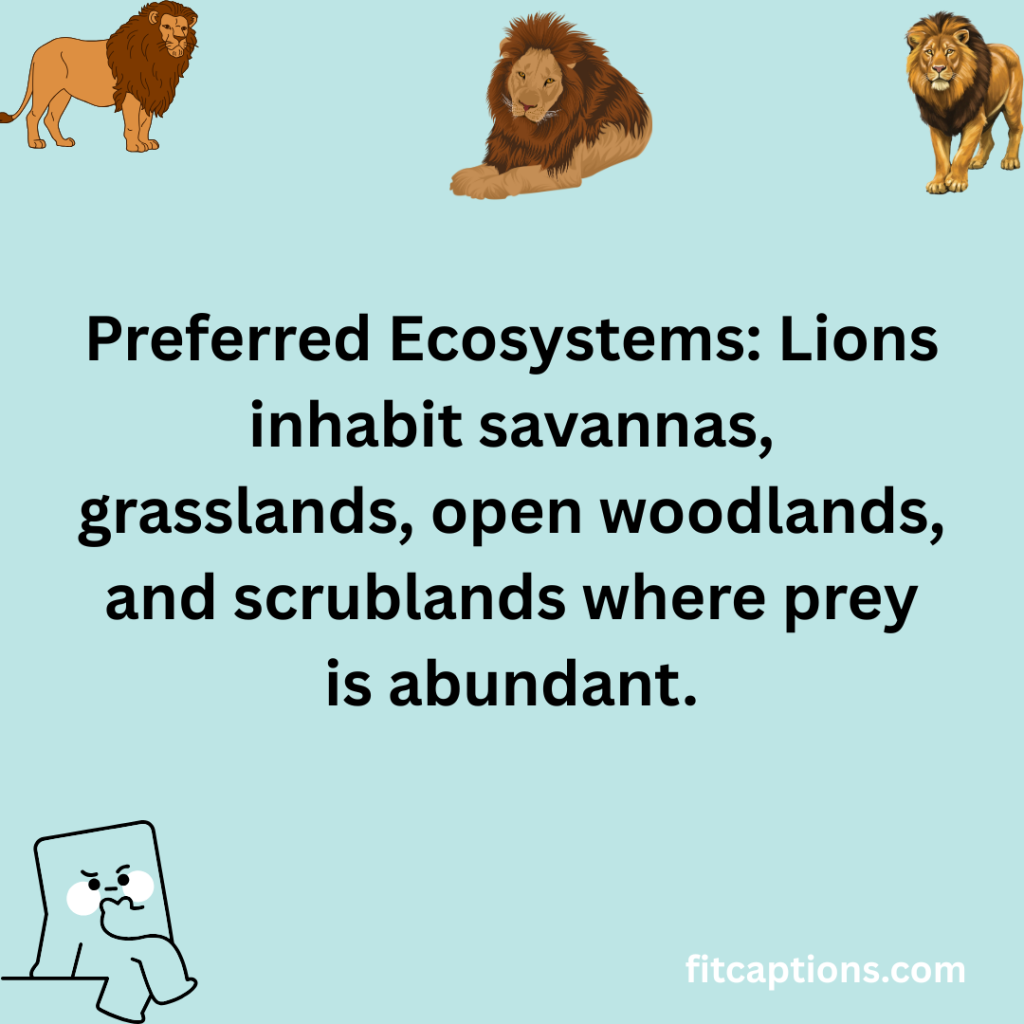
4. Preferred Ecosystems: Lions inhabit savannas, grasslands, open woodlands, and scrublands where prey is abundant.
5. Avoidance of Dense Forests: Lions generally avoid dense tropical rainforests, as thick vegetation hinders hunting and visibility.
6. Elevation Range: Lions can live from lowland plains to elevations of about 2,000 meters (6,600 feet), though they are mostly found in lower grasslands.
7. Territory Size: Lion prides maintain large territories ranging from 20 to over 400 square kilometers, depending on prey availability.
8. Migration Patterns: Lions do not migrate seasonally like some herbivores, but they may shift territory slightly in response to water and prey availability.
9. Water Proximity: Lions usually live near water sources like rivers, lakes, and waterholes, which attract prey and support survival during dry periods.
10. Human Impact: Habitat loss due to agriculture, urban expansion, and fencing has significantly reduced lion ranges across Africa.
11. Protected Areas: National parks and reserves such as Serengeti, Kruger, and Masai Mara are critical habitats preserving lion populations.
12. Savannah Dominance: Lions are most commonly associated with the African savannah, where open landscapes facilitate hunting in groups.
13. Seasonal Variation: In some regions, lions may shift their activity areas during wet and dry seasons to follow prey migration patterns.
14. Fragmented Populations: Outside protected areas, lion populations are increasingly fragmented, leading to isolated groups with limited genetic exchange.
15. Coexistence with Humans: Lions sometimes inhabit areas near villages or farms, leading to occasional conflicts with livestock herders.
16. Prey Availability: The distribution of lions is strongly linked to the abundance and diversity of prey species like zebras, wildebeests, and antelopes.
17. Island Populations: Historically, lions lived in North Africa and the Middle East, and they occasionally occurred on islands, but these populations are now extinct.
18. Historical Range: Lions once had a much wider range across Europe, Asia, and the Middle East, but their distribution has dramatically contracted over centuries.
19. Climate Tolerance: Lions are adaptable to a variety of climates within their range, from arid deserts to humid grasslands, as long as prey and water are accessible.
20. Conservation Priority: Protecting habitat connectivity and reducing human-lion conflict are crucial for maintaining current lion distribution and preventing further decline.

Facts About Lions – Physical Characteristics
1. Size: Lions are among the largest big cats, with males typically weighing between 150–250 kg (330–550 lbs) and females between 120–182 kg (265–400 lbs).
2. Length: Male lions measure about 1.7–2.5 meters (5.5–8.2 feet) from head to body, while females are slightly smaller at 1.6–2.1 meters (5.2–6.9 feet).
3. Tail: Lions have a long tail measuring 0.7–1 meter (2.3–3.3 feet), ending with a tuft of black hair that may help signal other lions.
4. Height: At the shoulder, lions stand about 1.2 meters (4 feet) tall, giving them a commanding presence among African predators.
5. Mane: Male lions develop a mane of thick hair around the head and neck, which varies in color from blond to black and provides protection during fights.
6. Mane Size: The size and darkness of a male lion’s mane are linked to age, genetics, and testosterone levels, signaling strength to rivals and mates.
7. Fur Color: Lion fur ranges from light yellow to golden brown, allowing camouflage in savannahs and grasslands.
8. Facial Features: Lions have strong jaws, sharp canine teeth up to 10 cm (4 inches) long, and a broad muzzle designed for gripping prey.
9. Eyesight: Lions have excellent night vision, with a high density of rod cells in their retinas that allows them to hunt in low light.
10. Whiskers: Prominent whiskers help lions sense objects and movements around their face, aiding navigation in darkness.
11. Paws: Large, padded paws allow lions to move silently while stalking prey and provide traction during sprints.
12. Claws: Retractable claws help lions grip and hold prey, as well as climb or defend themselves if necessary.
13. Sexual Dimorphism: Males are larger and possess manes, while females are smaller and lack manes, allowing for greater agility in hunting.
14. Teeth: Lions have 30 permanent teeth, including powerful carnassial teeth specialized for shearing flesh.
15. Muscular Build: Lions have a strong, muscular body with a broad chest and powerful limbs adapted for sprinting short distances during hunts.
16. Tongue: Lions have a rough, spiny tongue covered in papillae, which helps scrape meat from bones.
17. Coat Adaptation: Their short fur provides insulation during cool nights while keeping them relatively comfortable in hot savannah climates.
18. Nose: Lions have a large, black nose with acute smell, which aids in detecting prey, water, and other lions.
19. Ear Structure: Rounded ears with acute hearing allow lions to detect movements over long distances, crucial for hunting and pride coordination.
20. Lifespan Indicators: Physical wear, such as faded mane color or worn teeth, can indicate a lion’s age and health status within a pride.
Facts About Lions – Social Structure and Prides
1. Size: Lions are among the largest big cats, with males typically weighing between 150–250 kg (330–550 lbs) and females between 120–182 kg (265–400 lbs).
2. Length: Male lions measure about 1.7–2.5 meters (5.5–8.2 feet) from head to body, while females are slightly smaller at 1.6–2.1 meters (5.2–6.9 feet).
3. Tail: Lions have a long tail measuring 0.7–1 meter (2.3–3.3 feet), ending with a tuft of black hair that may help signal other lions.
4. Height: At the shoulder, lions stand about 1.2 meters (4 feet) tall, giving them a commanding presence among African predators.
5. Mane: Male lions develop a mane of thick hair around the head and neck, which varies in color from blond to black and provides protection during fights.
6. Mane Size: The size and darkness of a male lion’s mane are linked to age, genetics, and testosterone levels, signaling strength to rivals and mates.
7. Fur Color: Lion fur ranges from light yellow to golden brown, allowing camouflage in savannahs and grasslands.
8. Facial Features: Lions have strong jaws, sharp canine teeth up to 10 cm (4 inches) long, and a broad muzzle designed for gripping prey.
9. Eyesight: Lions have excellent night vision, with a high density of rod cells in their retinas that allows them to hunt in low light.
10. Whiskers: Prominent whiskers help lions sense objects and movements around their face, aiding navigation in darkness.
11. Paws: Large, padded paws allow lions to move silently while stalking prey and provide traction during sprints.
12. Claws: Retractable claws help lions grip and hold prey, as well as climb or defend themselves if necessary.
13. Sexual Dimorphism: Males are larger and possess manes, while females are smaller and lack manes, allowing for greater agility in hunting.
14. Teeth: Lions have 30 permanent teeth, including powerful carnassial teeth specialized for shearing flesh.
15. Muscular Build: Lions have a strong, muscular body with a broad chest and powerful limbs adapted for sprinting short distances during hunts.
16. Tongue: Lions have a rough, spiny tongue covered in papillae, which helps scrape meat from bones.
17. Coat Adaptation: Their short fur provides insulation during cool nights while keeping them relatively comfortable in hot savannah climates.
18. Nose: Lions have a large, black nose with acute smell, which aids in detecting prey, water, and other lions.
19. Ear Structure: Rounded ears with acute hearing allow lions to detect movements over long distances, crucial for hunting and pride coordination.
20. Lifespan Indicators: Physical wear, such as faded mane color or worn teeth, can indicate a lion’s age and health status within a pride.
Facts About Lions – Hunting and Diet
1. Carnivorous Diet: Lions are obligate carnivores, meaning their diet consists almost entirely of meat, which provides essential proteins and fats.
2. Preferred Prey: Lions primarily hunt large herbivores such as zebras, wildebeests, buffaloes, and antelopes, depending on regional availability.
3. Opportunistic Hunters: While they prefer large prey, lions are opportunistic and may scavenge carcasses or hunt smaller animals when necessary.
4. Pride Hunting: Lions often hunt in groups called prides, which increases their success rate for capturing large or agile prey.
5. Female Hunters: In most prides, females do the majority of hunting, using their smaller, more agile bodies to stalk prey silently.
6. Male Hunters: Male lions hunt less frequently, focusing on large prey or defending the pride’s territory and food from intruders.
7. Stalking Technique: Lions use stealth to approach prey, moving slowly through grass or shadows to get within striking distance.
8. Short Bursts of Speed: Lions can sprint at speeds up to 50 km/h (31 mph) but only for short distances of 50–100 meters during a hunt.
9. Ambush Strategy: Lions often use ambush tactics, working together to encircle prey or drive it toward waiting pride members.
10. Night Hunting: Lions are primarily nocturnal hunters, taking advantage of their excellent night vision and the cover of darkness.
11. Cooperative Coordination: During group hunts, lions communicate through growls, roars, and body language to coordinate movements.
12. Kill Techniques: Lions typically kill by biting the throat or muzzle of prey, suffocating it quickly to reduce injury risk.
13. Feeding Hierarchy: After a successful hunt, males usually eat first, followed by females and cubs, though competition within the pride is common.
14. Scavenging: Lions will often scavenge kills made by hyenas, cheetahs, or leopards, using strength and numbers to take over the prey.
15. Water Intake: Lions get most of their water from the blood and body fluids of prey, allowing them to survive in arid regions without drinking daily.
16. Daily Intake: Adult lions typically consume 5–7 kg (11–15 lbs) of meat per day but can eat up to 15 kg (33 lbs) in a single meal after a big hunt.
17. Hunting Success Rate: Lions have a relatively low hunting success rate, with only about 20–30% of hunts resulting in a kill.
18. Prey Selection: Lions often target young, weak, or sick animals to conserve energy and reduce the risk of injury during the hunt.
19. Seasonal Diet Variation: Lions may adjust their diet depending on seasonal prey availability, sometimes hunting smaller mammals or birds during dry seasons.
20. Ecological Role: As apex predators, lions help control herbivore populations, maintain ecosystem balance, and remove weak or diseased animals from the population.

Facts About Lions – Communication and Behavior
1. Carnivorous Diet: Lions are obligate carnivores, meaning their diet consists almost entirely of meat, which provides essential proteins and fats.
2. Preferred Prey: Lions primarily hunt large herbivores such as zebras, wildebeests, buffaloes, and antelopes, depending on regional availability.
3. Opportunistic Hunters: While they prefer large prey, lions are opportunistic and may scavenge carcasses or hunt smaller animals when necessary.
4. Pride Hunting: Lions often hunt in groups called prides, which increases their success rate for capturing large or agile prey.
5. Female Hunters: In most prides, females do the majority of hunting, using their smaller, more agile bodies to stalk prey silently.
6. Male Hunters: Male lions hunt less frequently, focusing on large prey or defending the pride’s territory and food from intruders.
7. Stalking Technique: Lions use stealth to approach prey, moving slowly through grass or shadows to get within striking distance.
8. Short Bursts of Speed: Lions can sprint at speeds up to 50 km/h (31 mph) but only for short distances of 50–100 meters during a hunt.
9. Ambush Strategy: Lions often use ambush tactics, working together to encircle prey or drive it toward waiting pride members.
10. Night Hunting: Lions are primarily nocturnal hunters, taking advantage of their excellent night vision and the cover of darkness.
11. Cooperative Coordination: During group hunts, lions communicate through growls, roars, and body language to coordinate movements.
12. Kill Techniques: Lions typically kill by biting the throat or muzzle of prey, suffocating it quickly to reduce injury risk.
13. Feeding Hierarchy: After a successful hunt, males usually eat first, followed by females and cubs, though competition within the pride is common.
14. Scavenging: Lions will often scavenge kills made by hyenas, cheetahs, or leopards, using strength and numbers to take over the prey.
15. Water Intake: Lions get most of their water from the blood and body fluids of prey, allowing them to survive in arid regions without drinking daily.
16. Daily Intake: Adult lions typically consume 5–7 kg (11–15 lbs) of meat per day but can eat up to 15 kg (33 lbs) in a single meal after a big hunt.
17. Hunting Success Rate: Lions have a relatively low hunting success rate, with only about 20–30% of hunts resulting in a kill.
18. Prey Selection: Lions often target young, weak, or sick animals to conserve energy and reduce the risk of injury during the hunt.
19. Seasonal Diet Variation: Lions may adjust their diet depending on seasonal prey availability, sometimes hunting smaller mammals or birds during dry seasons.
20. Ecological Role: As apex predators, lions help control herbivore populations, maintain ecosystem balance, and remove weak or diseased animals from the population.
Facts About Lions – Lifespan and Reproduction
1. Lifespan in the Wild: Lions typically live 10–14 years in the wild, with survival influenced by food availability, territory, and conflicts with other lions or humans.
2. Lifespan in Captivity: Lions in zoos or protected reserves can live up to 20 years due to consistent food supply, veterinary care, and absence of predators.
3. Sexual Maturity: Female lions reach sexual maturity at around 3–4 years, while males mature slightly later, at 4–5 years of age.
4. Mating Behavior: Lions are polygynous, with dominant males mating with multiple females within the pride.
5. Estrus Cycle: Female lions go into estrus approximately every 15–30 days, signaling readiness to mate with visual cues and pheromones.
6. Mating Duration: Lion copulation is frequent and brief, occurring multiple times over a few days to ensure fertilization.
7. Gestation Period: Female lions have a gestation period of around 110 days (3.5 months) before giving birth.
8. Litter Size: Lionesses typically give birth to 1–4 cubs per litter, with twins being the most common.
9. Birth Environment: Cubs are usually born in dense vegetation or secluded areas to protect them from predators and rival males.
10. Neonatal Appearance: Lion cubs are born blind or with partially closed eyes and a spotted coat, which helps camouflage them in their early months.
11. Early Development: Cubs are entirely dependent on their mother’s milk for the first 6–7 weeks of life.
12. Introduction to Pride: At around 6–8 weeks, cubs begin to interact with other pride members, learning social behavior and vocal communication.
13. Weaning: Cubs are weaned at about 3 months of age but continue to eat meat provided by the pride.
14. Learning to Hunt: By 6–12 months, cubs start practicing hunting skills under the guidance of adult females.
15. Survival Challenges: Only about half of all cubs survive their first year due to predation, starvation, or pride conflicts.
16. Male Dispersal: Young males leave their birth pride at 2–3 years of age to form coalitions or take over other prides.
17. Female Pride Loyalty: Female lions generally remain in their natal pride for life, maintaining established hunting and social networks.
18. Male Tenure: Dominant males typically control a pride for 2–4 years before being challenged and replaced by rivals.
19. Breeding Frequency: Lionesses may give birth every 2 years if cub survival is high and resources are sufficient.
20. Population Impact: Lifespan and reproduction rates directly affect pride stability, territorial dynamics, and the overall conservation status of lions in the wild.
Facts About Lions – Conservation Status and Threats
1. Lifespan in the Wild: Lions typically live 10–14 years in the wild, with survival influenced by food availability, territory, and conflicts with other lions or humans.
2. Lifespan in Captivity: Lions in zoos or protected reserves can live up to 20 years due to consistent food supply, veterinary care, and absence of predators.
3. Sexual Maturity: Female lions reach sexual maturity at around 3–4 years, while males mature slightly later, at 4–5 years of age.
4. Mating Behavior: Lions are polygynous, with dominant males mating with multiple females within the pride.
5. Estrus Cycle: Female lions go into estrus approximately every 15–30 days, signaling readiness to mate with visual cues and pheromones.
6. Mating Duration: Lion copulation is frequent and brief, occurring multiple times over a few days to ensure fertilization.
7. Gestation Period: Female lions have a gestation period of around 110 days (3.5 months) before giving birth.
8. Litter Size: Lionesses typically give birth to 1–4 cubs per litter, with twins being the most common.
9. Birth Environment: Cubs are usually born in dense vegetation or secluded areas to protect them from predators and rival males.
10. Neonatal Appearance: Lion cubs are born blind or with partially closed eyes and a spotted coat, which helps camouflage them in their early months.
11. Early Development: Cubs are entirely dependent on their mother’s milk for the first 6–7 weeks of life.
12. Introduction to Pride: At around 6–8 weeks, cubs begin to interact with other pride members, learning social behavior and vocal communication.
13. Weaning: Cubs are weaned at about 3 months of age but continue to eat meat provided by the pride.
14. Learning to Hunt: By 6–12 months, cubs start practicing hunting skills under the guidance of adult females.
15. Survival Challenges: Only about half of all cubs survive their first year due to predation, starvation, or pride conflicts.
16. Male Dispersal: Young males leave their birth pride at 2–3 years of age to form coalitions or take over other prides.
17. Female Pride Loyalty: Female lions generally remain in their natal pride for life, maintaining established hunting and social networks.
18. Male Tenure: Dominant males typically control a pride for 2–4 years before being challenged and replaced by rivals.
19. Breeding Frequency: Lionesses may give birth every 2 years if cub survival is high and resources are sufficient.
20. Population Impact: Lifespan and reproduction rates directly affect pride stability, territorial dynamics, and the overall conservation status of lions in the wild.
Final Thoughts
Lions are majestic predators that play a vital role in maintaining balance within their ecosystems.
Understanding these facts about lions increases awareness of their behavior, importance, and the challenges they face in the wild.
Protecting lions helps preserve biodiversity and ensures future generations can continue to admire these incredible animals.