

Rice is one of the most loved staple foods worldwide, but how healthy is it really? Understanding rice nutrition fact details can help you make smarter dietary choices—whether you’re counting calories, managing weight, or building a balanced meal plan.
From white rice to brown rice, cooked or uncooked, this guide breaks down calories, carbohydrates, fiber, and essential nutrients in a simple, easy-to-read way. Let’s explore everything you need to know about rice nutrition, one bowl at a time.
Rice Nutritional Value Per 100g
1. Energy: Rice provides approximately 130–130 kcal per 100 grams, making it a reliable source of energy because of its high carbohydrate content, which fuels daily activity and brain function.
2. Carbohydrates: Rice contains around 28–29 grams of carbohydrates per 100 grams, mostly in the form of starch that digests slowly, providing sustained energy throughout the day.
3. Protein: Rice offers about 2–2.5 grams of protein per 100 grams, which is important for tissue repair, enzyme production, and overall growth, although it is lower compared to animal-based protein sources.
4. Fat: Rice is very low in fat, containing only 0.2–0.3 grams per 100 grams, making it heart-healthy when included in a balanced diet and consumed in moderation.
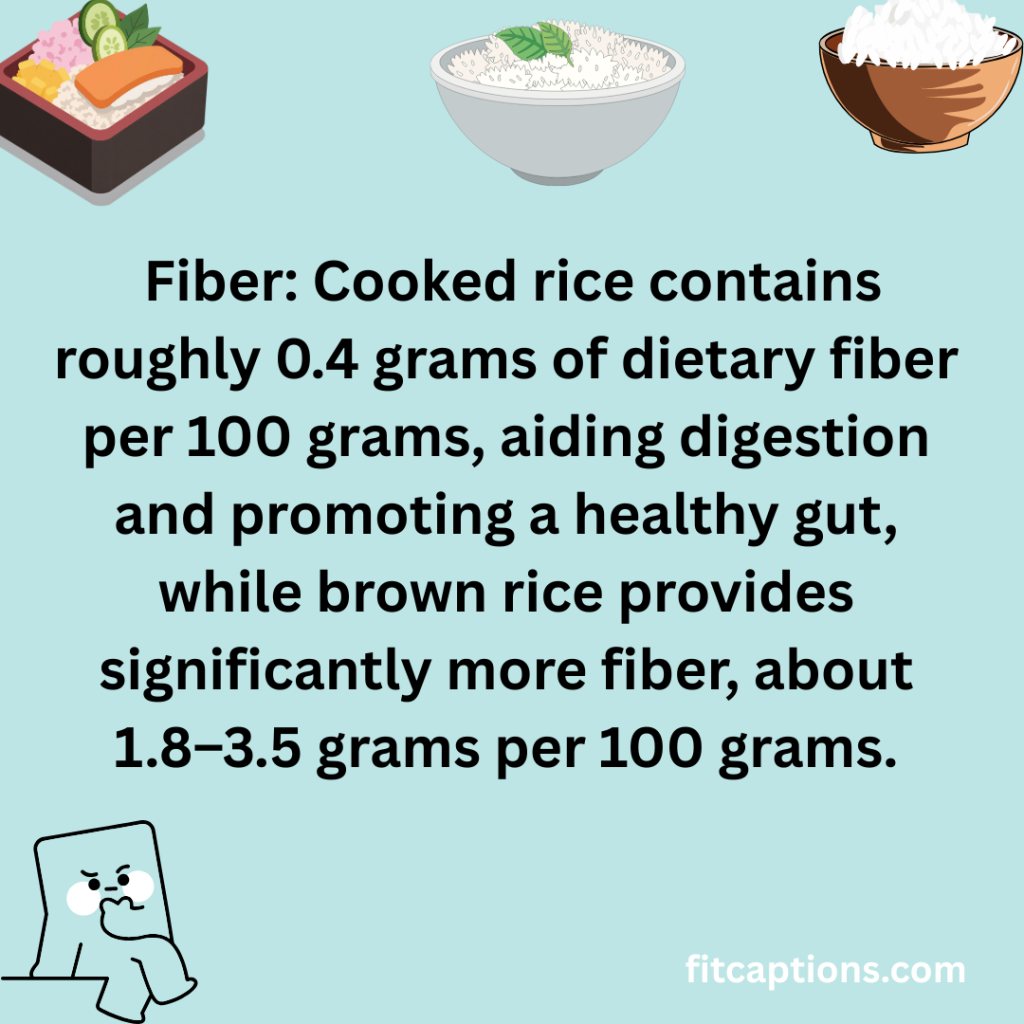
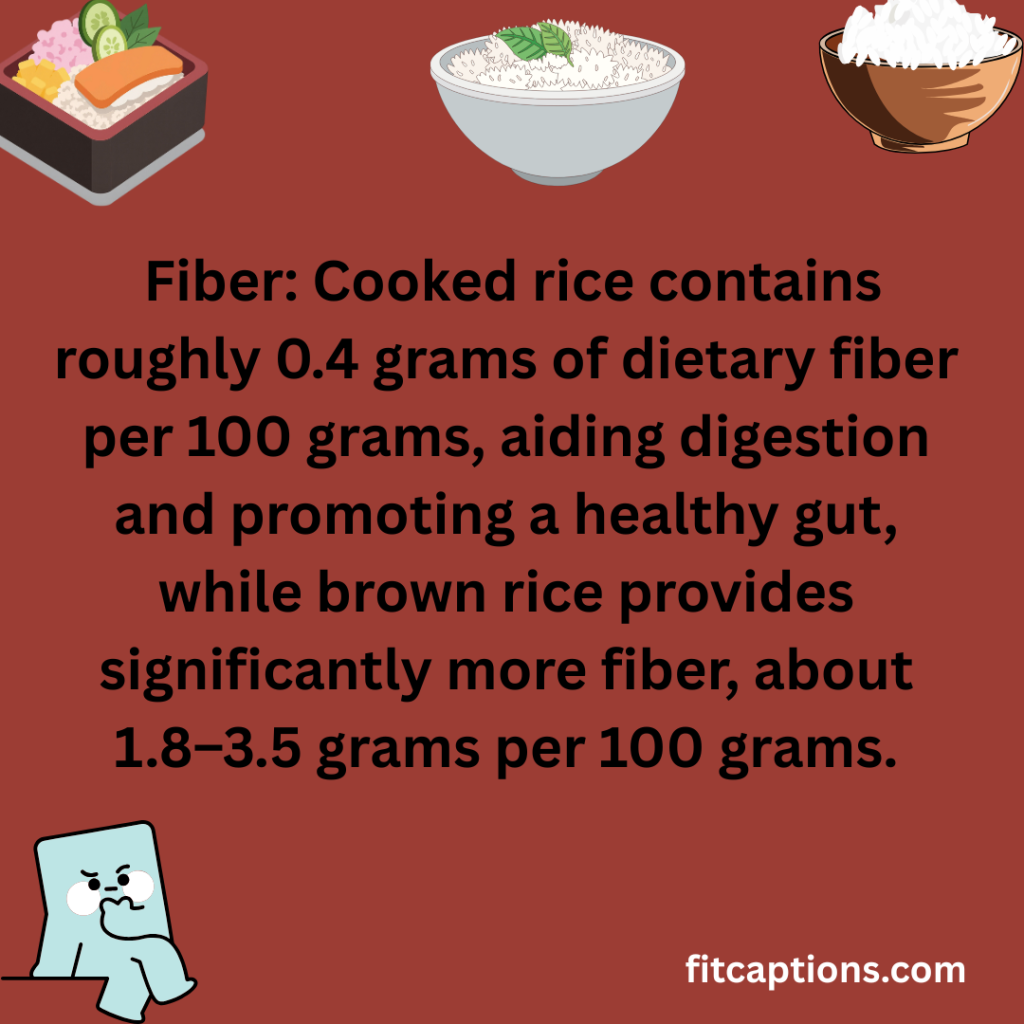
5. Fiber: Cooked rice contains roughly 0.4 grams of dietary fiber per 100 grams, aiding digestion and promoting a healthy gut, while brown rice provides significantly more fiber, about 1.8–3.5 grams per 100 grams.
6. Water: Cooked rice contains around 68–70 grams of water per 100 grams, contributing to hydration and helping digestion and metabolic function.
7. Sugar: Rice is naturally very low in sugar, containing less than 0.1 grams per 100 grams, making it suitable for individuals monitoring blood sugar levels.
8. Sodium: Rice contains almost 0 mg of sodium per 100 grams (unsalted), making it ideal for low-sodium diets and supporting heart health.
9. Thiamine (Vitamin B1): Rice provides approximately 0.07 mg per 100 grams, which is essential for energy metabolism and proper nerve function.
10. Niacin (Vitamin B3): Rice contains about 1.2 mg per 100 grams, aiding digestion, energy production, and maintaining healthy skin.
11. Riboflavin (Vitamin B2): Rice supplies around 0.02 mg per 100 grams, important for energy metabolism and red blood cell production.
12. Folate (Vitamin B9): Rice has approximately 9 mcg per 100 grams, supporting DNA synthesis and proper cell growth.
13. Calcium: Rice contains about 10 mg per 100 grams, contributing to bone and teeth strength.
14. Iron: Rice provides around 0.2 mg per 100 grams, important for red blood cell production and oxygen transport.
15. Magnesium: Rice contains about 12 mg per 100 grams, supporting muscle and nerve function, as well as energy production.
16. Phosphorus: Rice has approximately 43 mg per 100 grams, vital for bone health and energy metabolism.
17. Potassium: Rice provides around 35 mg per 100 grams, which helps maintain fluid balance and supports heart and muscle function.
18. Zinc: Rice contains about 0.4 mg per 100 grams, essential for immunity, wound healing, and cell growth.
19. Manganese: Rice supplies roughly 0.5 mg per 100 grams, which supports metabolism, bone development, and antioxidant defense.
20. Copper: Rice contains around 0.09 mg per 100 grams, necessary for red blood cell formation and proper iron utilization.

White Rice Nutrition Facts 100g
1. Energy: White rice provides approximately 130 kcal per 100 grams, making it a reliable source of energy because of its high carbohydrate content, which fuels daily activity and brain function.
2. Carbohydrates: White rice contains around 28 grams of carbohydrates per 100 grams, mostly in the form of starch that digests easily and provides a quick source of energy.
3. Protein: It offers about 2.7 grams of protein per 100 grams, which contributes to tissue repair, enzyme production, and overall body maintenance.
4. Fat: White rice is very low in fat, containing only 0.3 grams per 100 grams, making it suitable for low-fat diets.
5. Fiber: White rice has a small amount of dietary fiber, about 0.4 grams per 100 grams, which aids digestion but is lower than brown rice.
6. Water: Cooked white rice contains approximately 68 grams of water per 100 grams, helping maintain hydration and smooth digestion.
7. Sugar: White rice naturally contains very little sugar, around 0.1 grams per 100 grams, making it suitable for people monitoring blood sugar levels.
8. Sodium: White rice has almost 0 mg of sodium per 100 grams (unsalted), supporting a heart-healthy diet.
9. Thiamine (Vitamin B1): White rice provides approximately 0.07 mg per 100 grams, important for carbohydrate metabolism and nervous system function.
10. Niacin (Vitamin B3): White rice contains about 1.1 mg per 100 grams, which helps in energy metabolism, maintaining healthy skin, and supporting digestion.
11. Riboflavin (Vitamin B2): It has around 0.02 mg per 100 grams, contributing to energy metabolism and red blood cell production.
12. Folate (Vitamin B9): White rice provides approximately 9 mcg per 100 grams, essential for DNA synthesis and proper cell growth.
13. Calcium: White rice contains about 10 mg per 100 grams, helping maintain healthy bones and teeth.
14. Iron: It provides roughly 0.2 mg per 100 grams, necessary for producing hemoglobin and transporting oxygen in the blood.
15. Magnesium: White rice contains approximately 12 mg per 100 grams, supporting muscle and nerve function, energy production, and bone health.
16. Phosphorus: It has about 43 mg per 100 grams, important for strong bones, teeth, and energy metabolism.
17. Potassium: White rice provides around 35 mg per 100 grams, supporting fluid balance, muscle function, and heart health.
18. Zinc: It contains roughly 0.4 mg per 100 grams, aiding immunity, wound healing, and cell growth.
19. Manganese: White rice supplies about 0.5 mg per 100 grams, supporting metabolism, bone development, and antioxidant defense.
20. Copper: White rice has around 0.09 mg per 100 grams, necessary for proper iron utilization, red blood cell formation, and connective tissue health.
1 Bowl Cooked Rice Calories
1. Energy: White rice provides approximately 130 kcal per 100 grams, making it a reliable source of energy because of its high carbohydrate content, which fuels daily activity and brain function.
2. Carbohydrates: White rice contains around 28 grams of carbohydrates per 100 grams, mostly in the form of starch that digests easily and provides a quick source of energy.
3. Protein: It offers about 2.7 grams of protein per 100 grams, which contributes to tissue repair, enzyme production, and overall body maintenance.
4. Fat: White rice is very low in fat, containing only 0.3 grams per 100 grams, making it suitable for low-fat diets.
5. Fiber: White rice has a small amount of dietary fiber, about 0.4 grams per 100 grams, which aids digestion but is lower than brown rice.
6. Water: Cooked white rice contains approximately 68 grams of water per 100 grams, helping maintain hydration and smooth digestion.
7. Sugar: White rice naturally contains very little sugar, around 0.1 grams per 100 grams, making it suitable for people monitoring blood sugar levels.
8. Sodium: White rice has almost 0 mg of sodium per 100 grams (unsalted), supporting a heart-healthy diet.
9. Thiamine (Vitamin B1): White rice provides approximately 0.07 mg per 100 grams, important for carbohydrate metabolism and nervous system function.
10. Niacin (Vitamin B3): White rice contains about 1.1 mg per 100 grams, which helps in energy metabolism, maintaining healthy skin, and supporting digestion.
11. Riboflavin (Vitamin B2): It has around 0.02 mg per 100 grams, contributing to energy metabolism and red blood cell production.
12. Folate (Vitamin B9): White rice provides approximately 9 mcg per 100 grams, essential for DNA synthesis and proper cell growth.
13. Calcium: White rice contains about 10 mg per 100 grams, helping maintain healthy bones and teeth.
14. Iron: It provides roughly 0.2 mg per 100 grams, necessary for producing hemoglobin and transporting oxygen in the blood.
15. Magnesium: White rice contains approximately 12 mg per 100 grams, supporting muscle and nerve function, energy production, and bone health.
16. Phosphorus: It has about 43 mg per 100 grams, important for strong bones, teeth, and energy metabolism.
17. Potassium: White rice provides around 35 mg per 100 grams, supporting fluid balance, muscle function, and heart health.
18. Zinc: It contains roughly 0.4 mg per 100 grams, aiding immunity, wound healing, and cell growth.
19. Manganese: White rice supplies about 0.5 mg per 100 grams, supporting metabolism, bone development, and antioxidant defense.
20. Copper: White rice has around 0.09 mg per 100 grams, necessary for proper iron utilization, red blood cell formation, and connective tissue health.
Rice Nutrition Facts 1 Cup
1. Energy: One cup of cooked white rice provides approximately 205 kcal, which is primarily derived from its high carbohydrate content, making it a staple energy source in many cultures around the world, and it fuels both physical activity and brain function, providing the calories needed for metabolism, exercise, and daily activities.
2. Carbohydrates: This serving contains around 45 grams of carbohydrates, most of which are in the form of starch, which is easily digestible and quickly converted into glucose in the bloodstream, offering a rapid and reliable energy source for the body, particularly useful for athletes or individuals needing quick replenishment of energy.
3. Protein: One cup of rice offers about 4.3 grams of protein, which helps with tissue repair, growth, enzyme production, and the maintenance of muscle mass, although it is not a complete protein as it lacks some essential amino acids, so pairing it with legumes or other protein sources improves its nutritional value.
4. Fat: White rice is very low in fat, containing only 0.4 grams, making it an excellent option for low-fat diets, heart-healthy eating plans, and for individuals who need to control their fat intake while still meeting energy requirements from other macronutrients.
5. Fiber: It contains about 0.6 grams of dietary fiber, which assists in digestion, helps maintain bowel regularity, and promotes gut health, although it is significantly lower than brown or whole-grain rice, which have more fiber and additional nutrients.
6. Water: Cooked rice contains approximately 112 grams of water per cup, contributing to hydration, improving digestibility, and helping maintain the proper balance of fluids in the body, while also giving rice its soft texture and volume after cooking.
7. Sugar: Rice naturally contains a small amount of sugar, around 0.1 grams, which has a negligible effect on blood sugar levels by itself, although white rice has a high glycemic index, meaning it can still raise blood glucose relatively quickly if eaten in large quantities.
8. Sodium: White rice contains almost 0 mg of sodium, making it an excellent choice for low-sodium diets aimed at reducing high blood pressure or supporting heart health, and it can be paired with sodium-containing foods to adjust flavor without exceeding daily limits.
9. Thiamine (Vitamin B1): One cup of rice provides about 0.13 mg of thiamine, which is essential for carbohydrate metabolism, proper nerve function, and maintaining energy levels, and thiamine deficiency can lead to fatigue, irritability, and neurological problems.
10. Niacin (Vitamin B3): White rice contains roughly 2.3 mg of niacin per cup, which aids in energy production, supports healthy skin, enhances digestive function, and is important for the metabolism of carbohydrates, fats, and proteins in the body.
11. Riboflavin (Vitamin B2): Rice provides about 0.03 mg of riboflavin per cup, a vitamin that plays a critical role in energy metabolism, red blood cell production, and maintaining healthy skin, eyes, and nervous system function.
12. Folate (Vitamin B9): One cup of rice has approximately 14 mcg of folate, which is important for DNA synthesis, proper cell division, fetal development during pregnancy, and overall growth and repair in the body.
13. Calcium: White rice contains about 16 mg of calcium per cup, which contributes slightly to bone strength, nerve transmission, and muscle function, though it is not a major source of calcium compared to dairy products or fortified foods.
14. Iron: It provides roughly 0.4 mg per cup, which is necessary for red blood cell formation, hemoglobin production, and efficient oxygen transport throughout the body, helping prevent anemia and supporting overall energy levels.
15. Magnesium: Rice contains about 19 mg of magnesium per cup, which is crucial for muscle and nerve function, energy production, bone health, and hundreds of enzymatic reactions in the body, including those related to protein and DNA synthesis.
16. Phosphorus: It has roughly 68 mg per cup, an essential mineral for the formation of strong bones and teeth, energy metabolism, and the production of ATP, which is the body’s main energy currency for cellular processes.
17. Potassium: One cup provides around 55 mg of potassium, which helps maintain proper fluid balance, supports heart and muscle function, regulates blood pressure, and ensures the smooth operation of nerve signals throughout the body.
18. Zinc: White rice contains approximately 0.6 mg of zinc per cup, which supports immune system function, wound healing, DNA synthesis, and cellular growth, and is an important mineral for overall metabolic health.
19. Manganese: One cup of rice supplies about 0.8 mg of manganese, a trace mineral involved in metabolism, antioxidant defense, bone formation, and the proper functioning of enzymes that regulate energy production and collagen synthesis.
20. Copper: Rice contains around 0.15 mg per cup, which is necessary for proper iron utilization, red blood cell formation, connective tissue health, and the functioning of the cardiovascular and nervous systems, contributing to overall wellbeing.
Cooked Rice Nutrition Facts 100g
1. Energy: One cup of cooked white rice provides approximately 205 kcal, which is primarily derived from its high carbohydrate content, making it a staple energy source in many cultures around the world, and it fuels both physical activity and brain function, providing the calories needed for metabolism, exercise, and daily activities.
2. Carbohydrates: This serving contains around 45 grams of carbohydrates, most of which are in the form of starch, which is easily digestible and quickly converted into glucose in the bloodstream, offering a rapid and reliable energy source for the body, particularly useful for athletes or individuals needing quick replenishment of energy.
3. Protein: One cup of rice offers about 4.3 grams of protein, which helps with tissue repair, growth, enzyme production, and the maintenance of muscle mass, although it is not a complete protein as it lacks some essential amino acids, so pairing it with legumes or other protein sources improves its nutritional value.
4. Fat: White rice is very low in fat, containing only 0.4 grams, making it an excellent option for low-fat diets, heart-healthy eating plans, and for individuals who need to control their fat intake while still meeting energy requirements from other macronutrients.
5. Fiber: It contains about 0.6 grams of dietary fiber, which assists in digestion, helps maintain bowel regularity, and promotes gut health, although it is significantly lower than brown or whole-grain rice, which have more fiber and additional nutrients.
6. Water: Cooked rice contains approximately 112 grams of water per cup, contributing to hydration, improving digestibility, and helping maintain the proper balance of fluids in the body, while also giving rice its soft texture and volume after cooking.
7. Sugar: Rice naturally contains a small amount of sugar, around 0.1 grams, which has a negligible effect on blood sugar levels by itself, although white rice has a high glycemic index, meaning it can still raise blood glucose relatively quickly if eaten in large quantities.
8. Sodium: White rice contains almost 0 mg of sodium, making it an excellent choice for low-sodium diets aimed at reducing high blood pressure or supporting heart health, and it can be paired with sodium-containing foods to adjust flavor without exceeding daily limits.
9. Thiamine (Vitamin B1): One cup of rice provides about 0.13 mg of thiamine, which is essential for carbohydrate metabolism, proper nerve function, and maintaining energy levels, and thiamine deficiency can lead to fatigue, irritability, and neurological problems.
10. Niacin (Vitamin B3): White rice contains roughly 2.3 mg of niacin per cup, which aids in energy production, supports healthy skin, enhances digestive function, and is important for the metabolism of carbohydrates, fats, and proteins in the body.
11. Riboflavin (Vitamin B2): Rice provides about 0.03 mg of riboflavin per cup, a vitamin that plays a critical role in energy metabolism, red blood cell production, and maintaining healthy skin, eyes, and nervous system function.
12. Folate (Vitamin B9): One cup of rice has approximately 14 mcg of folate, which is important for DNA synthesis, proper cell division, fetal development during pregnancy, and overall growth and repair in the body.
13. Calcium: White rice contains about 16 mg of calcium per cup, which contributes slightly to bone strength, nerve transmission, and muscle function, though it is not a major source of calcium compared to dairy products or fortified foods.
14. Iron: It provides roughly 0.4 mg per cup, which is necessary for red blood cell formation, hemoglobin production, and efficient oxygen transport throughout the body, helping prevent anemia and supporting overall energy levels.
15. Magnesium: Rice contains about 19 mg of magnesium per cup, which is crucial for muscle and nerve function, energy production, bone health, and hundreds of enzymatic reactions in the body, including those related to protein and DNA synthesis.
16. Phosphorus: It has roughly 68 mg per cup, an essential mineral for the formation of strong bones and teeth, energy metabolism, and the production of ATP, which is the body’s main energy currency for cellular processes.
17. Potassium: One cup provides around 55 mg of potassium, which helps maintain proper fluid balance, supports heart and muscle function, regulates blood pressure, and ensures the smooth operation of nerve signals throughout the body.
18. Zinc: White rice contains approximately 0.6 mg of zinc per cup, which supports immune system function, wound healing, DNA synthesis, and cellular growth, and is an important mineral for overall metabolic health.
19. Manganese: One cup of rice supplies about 0.8 mg of manganese, a trace mineral involved in metabolism, antioxidant defense, bone formation, and the proper functioning of enzymes that regulate energy production and collagen synthesis.
20. Copper: Rice contains around 0.15 mg per cup, which is necessary for proper iron utilization, red blood cell formation, connective tissue health, and the functioning of the cardiovascular and nervous systems, contributing to overall wellbeing.
Brown Rice Nutrition Facts
1. Energy: One cup of cooked brown rice provides approximately 216 kcal, which is slightly higher than white rice because of its retained fiber and nutrient content, making it a substantial source of energy for daily activities, workouts, and brain function.
2. Carbohydrates: Brown rice contains around 45 grams of carbohydrates per cup, primarily in the form of complex starches, which digest slowly, providing a steady release of energy and better blood sugar control compared to white rice.
3. Protein: One cup of brown rice offers about 5 grams of protein, which contributes to tissue repair, muscle growth, enzyme production, and overall body maintenance, slightly higher than white rice.
4. Fat: Brown rice contains approximately 1.8 grams of fat per cup, mostly healthy unsaturated fats, which support heart health, aid in absorption of fat-soluble vitamins, and provide additional energy.
5. Fiber: It has about 3.5 grams of dietary fiber per cup, which promotes digestive health, supports satiety, and helps regulate blood sugar, making it more beneficial for long-term health compared to low-fiber white rice.
6. Water: Cooked brown rice contains approximately 140 grams of water per cup, which contributes to hydration, improves digestibility, and gives the rice a firm and chewy texture.
7. Sugar: Brown rice naturally contains very little sugar, around 0.7 grams per cup, making it suitable for blood sugar management and for individuals monitoring carbohydrate intake.
8. Sodium: It contains almost 0 mg of sodium per cup, making it ideal for heart-healthy diets and low-sodium meal plans, and it easily absorbs flavors from other ingredients.
9. Thiamine (Vitamin B1): One cup provides about 0.2 mg of thiamine, which is essential for carbohydrate metabolism, proper nervous system function, and maintaining energy levels, helping to reduce fatigue and support neurological health.
10. Niacin (Vitamin B3): Brown rice contains roughly 3 mg per cup, which aids energy production, digestion, skin health, and proper functioning of the nervous system, slightly more than white rice.
11. Riboflavin (Vitamin B2): It provides approximately 0.04 mg per cup, which supports energy metabolism, red blood cell production, and the maintenance of healthy skin, eyes, and overall growth.
12. Folate (Vitamin B9): Brown rice contains about 20 mcg per cup, supporting DNA synthesis, proper cell growth, fetal development during pregnancy, and overall tissue repair.
13. Calcium: One cup contains roughly 20 mg, which contributes slightly to bone and teeth strength, though rice is not a major source of calcium.
14. Iron: Brown rice provides approximately 0.8 mg per cup, which is important for hemoglobin formation, oxygen transport in the blood, and energy metabolism.
15. Magnesium: It contains about 84 mg per cup, which supports nerve and muscle function, energy production, strong bones, and hundreds of enzymatic reactions in the body.
16. Phosphorus: Brown rice provides roughly 162 mg per cup, which is essential for bone and teeth health, energy storage and release through ATP, and overall metabolic function.
17. Potassium: One cup supplies around 154 mg, which helps regulate fluid balance, supports proper heart and muscle function, and maintains healthy blood pressure levels.
18. Zinc: Brown rice contains approximately 1.2 mg per cup, which supports immunity, wound healing, cellular growth, and proper enzyme function in metabolism.
19. Manganese: It supplies about 1.8 mg per cup, a trace mineral essential for metabolism, antioxidant defense, bone development, and collagen formation.
20. Copper: One cup contains around 0.4 mg, necessary for iron utilization, red blood cell production, connective tissue health, and proper cardiovascular and nervous system function.
Rice Nutrition Facts Uncooked
1. Energy: One cup of cooked brown rice provides approximately 216 kcal, which is slightly higher than white rice because of its retained fiber and nutrient content, making it a substantial source of energy for daily activities, workouts, and brain function.
2. Carbohydrates: Brown rice contains around 45 grams of carbohydrates per cup, primarily in the form of complex starches, which digest slowly, providing a steady release of energy and better blood sugar control compared to white rice.
3. Protein: One cup of brown rice offers about 5 grams of protein, which contributes to tissue repair, muscle growth, enzyme production, and overall body maintenance, slightly higher than white rice.
4. Fat: Brown rice contains approximately 1.8 grams of fat per cup, mostly healthy unsaturated fats, which support heart health, aid in absorption of fat-soluble vitamins, and provide additional energy.
5. Fiber: It has about 3.5 grams of dietary fiber per cup, which promotes digestive health, supports satiety, and helps regulate blood sugar, making it more beneficial for long-term health compared to low-fiber white rice.
6. Water: Cooked brown rice contains approximately 140 grams of water per cup, which contributes to hydration, improves digestibility, and gives the rice a firm and chewy texture.
7. Sugar: Brown rice naturally contains very little sugar, around 0.7 grams per cup, making it suitable for blood sugar management and for individuals monitoring carbohydrate intake.
8. Sodium: It contains almost 0 mg of sodium per cup, making it ideal for heart-healthy diets and low-sodium meal plans, and it easily absorbs flavors from other ingredients.
9. Thiamine (Vitamin B1): One cup provides about 0.2 mg of thiamine, which is essential for carbohydrate metabolism, proper nervous system function, and maintaining energy levels, helping to reduce fatigue and support neurological health.
10. Niacin (Vitamin B3): Brown rice contains roughly 3 mg per cup, which aids energy production, digestion, skin health, and proper functioning of the nervous system, slightly more than white rice.
11. Riboflavin (Vitamin B2): It provides approximately 0.04 mg per cup, which supports energy metabolism, red blood cell production, and the maintenance of healthy skin, eyes, and overall growth.
12. Folate (Vitamin B9): Brown rice contains about 20 mcg per cup, supporting DNA synthesis, proper cell growth, fetal development during pregnancy, and overall tissue repair.
13. Calcium: One cup contains roughly 20 mg, which contributes slightly to bone and teeth strength, though rice is not a major source of calcium.
14. Iron: Brown rice provides approximately 0.8 mg per cup, which is important for hemoglobin formation, oxygen transport in the blood, and energy metabolism.
15. Magnesium: It contains about 84 mg per cup, which supports nerve and muscle function, energy production, strong bones, and hundreds of enzymatic reactions in the body.
16. Phosphorus: Brown rice provides roughly 162 mg per cup, which is essential for bone and teeth health, energy storage and release through ATP, and overall metabolic function.
17. Potassium: One cup supplies around 154 mg, which helps regulate fluid balance, supports proper heart and muscle function, and maintains healthy blood pressure levels.
18. Zinc: Brown rice contains approximately 1.2 mg per cup, which supports immunity, wound healing, cellular growth, and proper enzyme function in metabolism.
19. Manganese: It supplies about 1.8 mg per cup, a trace mineral essential for metabolism, antioxidant defense, bone development, and collagen formation.
20. Copper: One cup contains around 0.4 mg, necessary for iron utilization, red blood cell production, connective tissue health, and proper cardiovascular and nervous system function.
Final Thoughts
Rice can be both nourishing and satisfying when eaten in the right portions and form. Whether you choose white rice for quick energy or brown rice for added fiber, understanding rice nutrition fact information helps you align your meals with your health goals.
By knowing calories per bowl, cup, or 100g, you can enjoy rice guilt-free while maintaining a balanced and healthy diet. 🍚✨